

Hinduism
Basics & 101

Learn the foundations of Hinduism at your own pace

What is Hinduism?

Learn about the core beliefs of Hindu Dharma traditions:
key Hindu concepts, sources of knowledge, symbols, and philosophies.

Karma, Samsara, Moksha

This module discusses Karma as the natural law of action balance, Samsara’s cycle of rebirth, and Moksha, the liberation from Samsara, relating to dharma.

Sources of Knowledge

Hindu sources of knowledge are vast collections of ancient texts categorized into realized and remembered works with a focus on their oral-to-written transition and genre diversity.

Hindu Concepts About God

Students will understand Hindu views of God, exploring concepts like monism, pantheism, and panentheism.

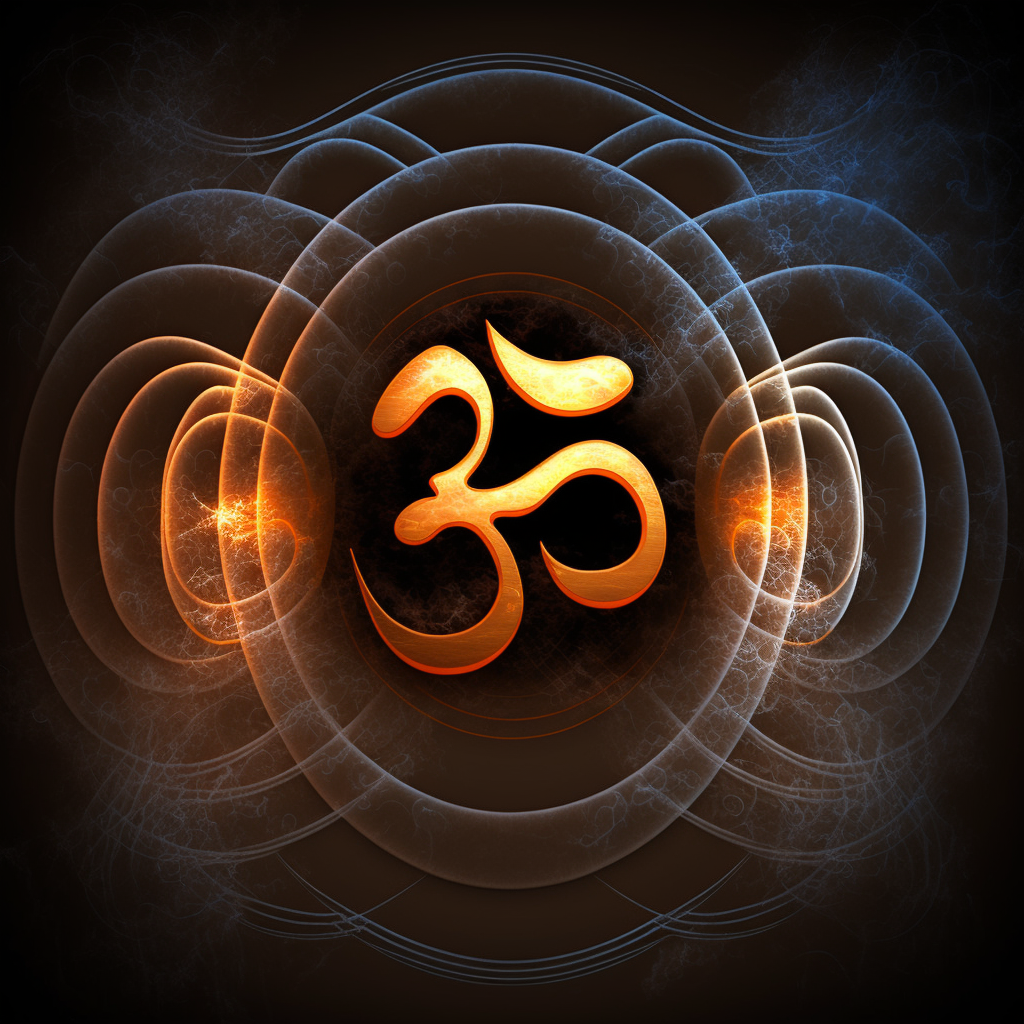
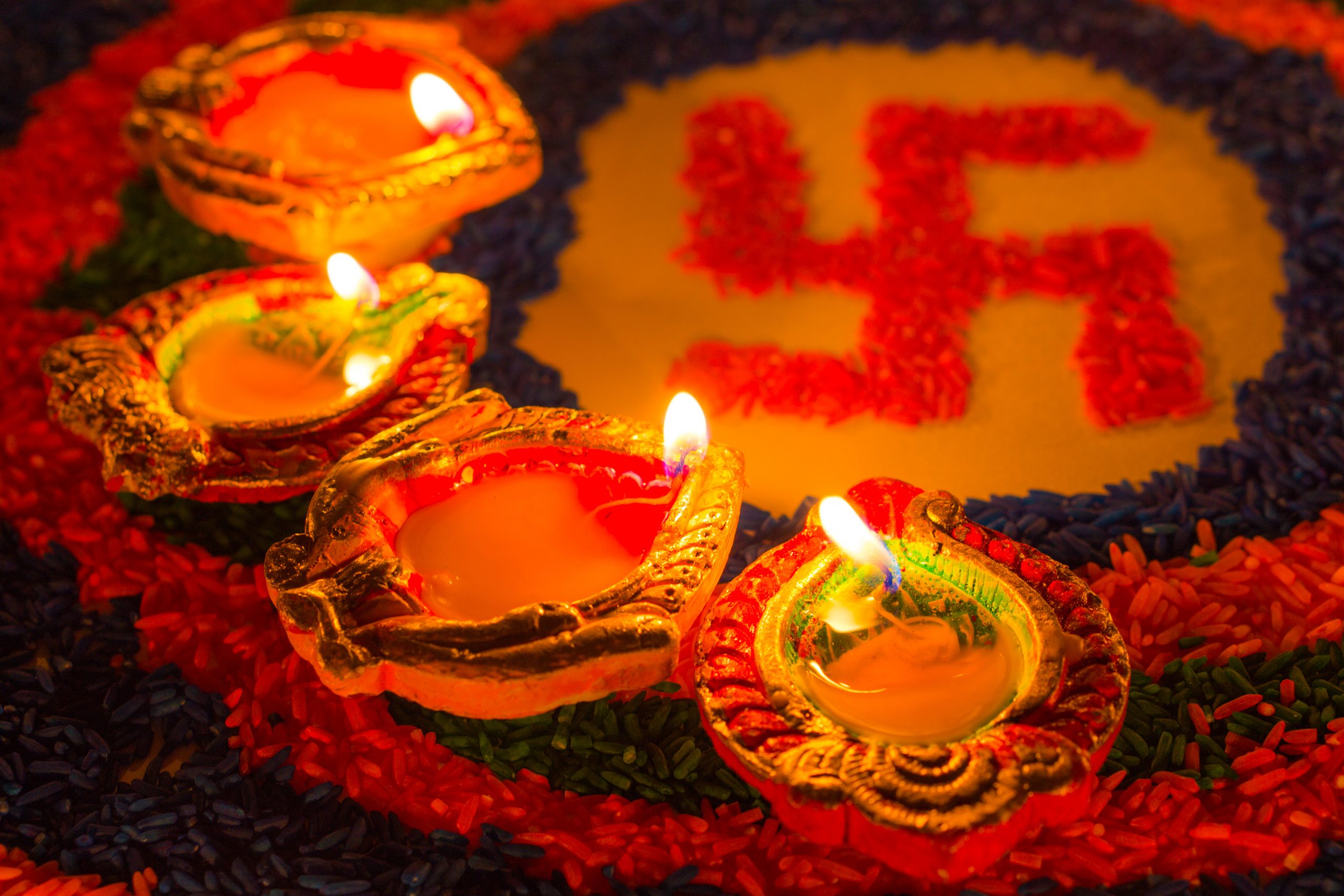
Religious Symbols

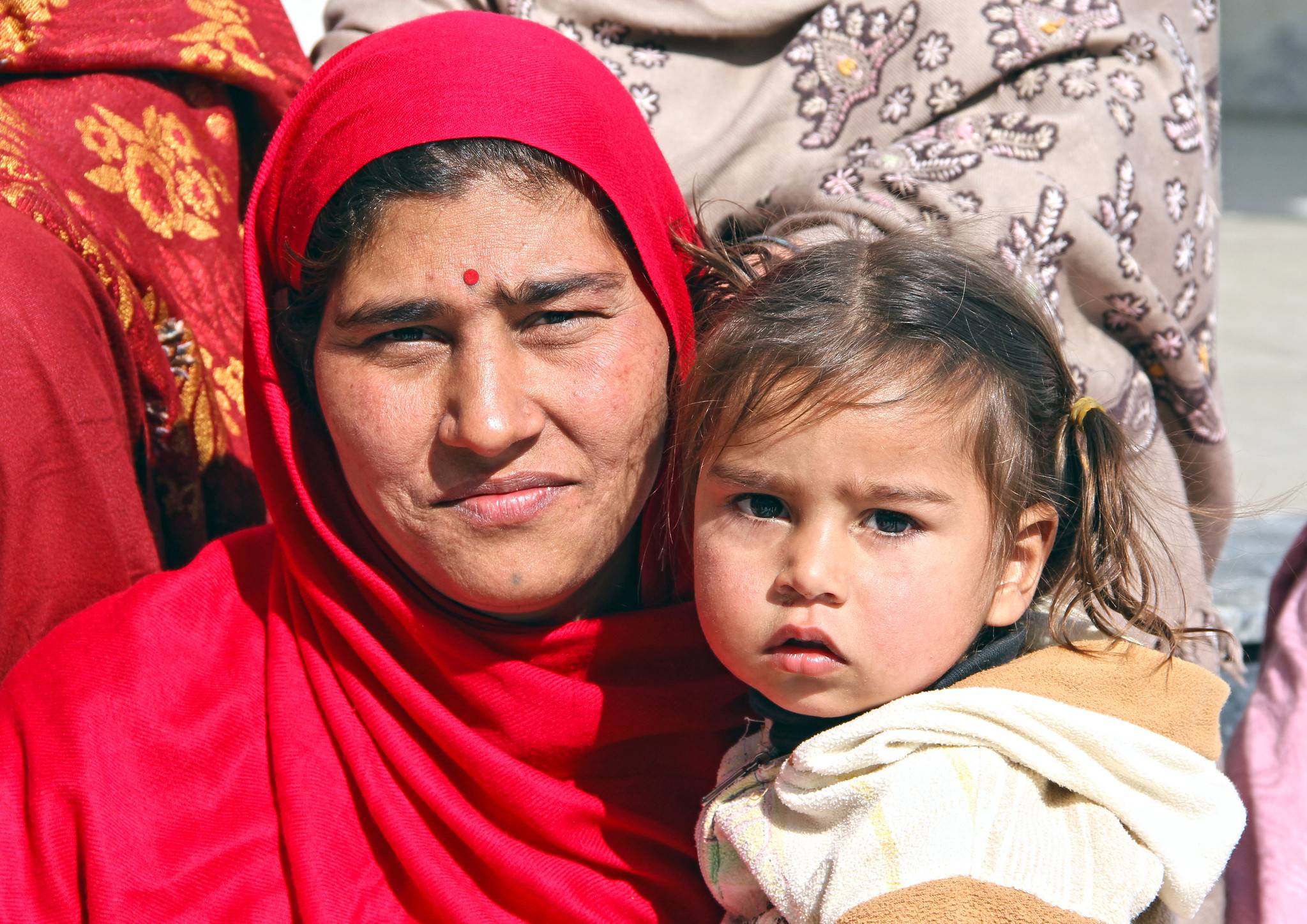
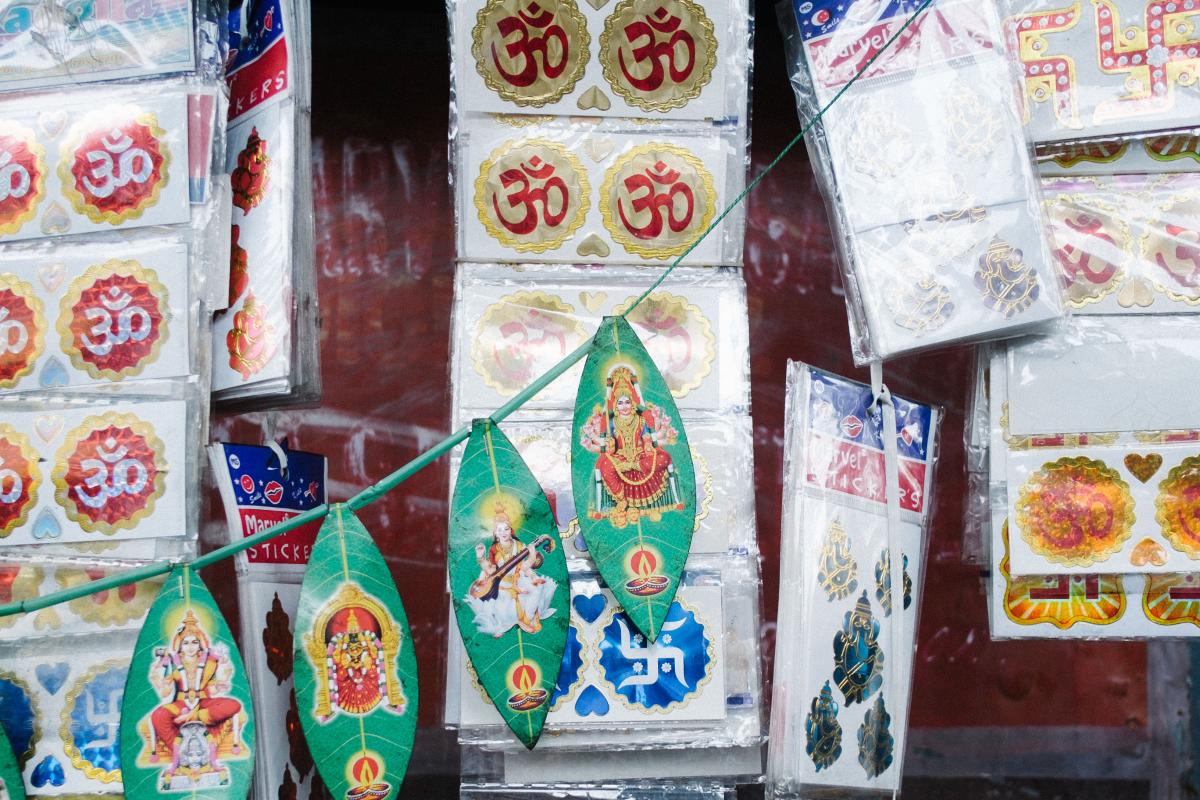
This module introduces Hindu symbols like Aum, the Bindi, and the Swastika, explaining their meanings.

Systems of Thought

Explore how inquiry and diverse Divine interpretations influenced various Hindu theological schools.

The Bhagavad Gita

Learn the core teachings of the Bhagavad Gita, a pivotal Hindu sacred text.

When did Hinduism start?

Learn who the Ancient Indians were and the history of Hinduism

Ancient India

Who were the Ancient Indians? How did they live? What was their religion and how does it relate to Hinduism. Find out in this module.

History of Hinduism

This module covers the History of Hinduism — from the Indus-Saraswati civilizations through the modern era.

Time in Hinduism

This module covers understanding of time in Hinduism.

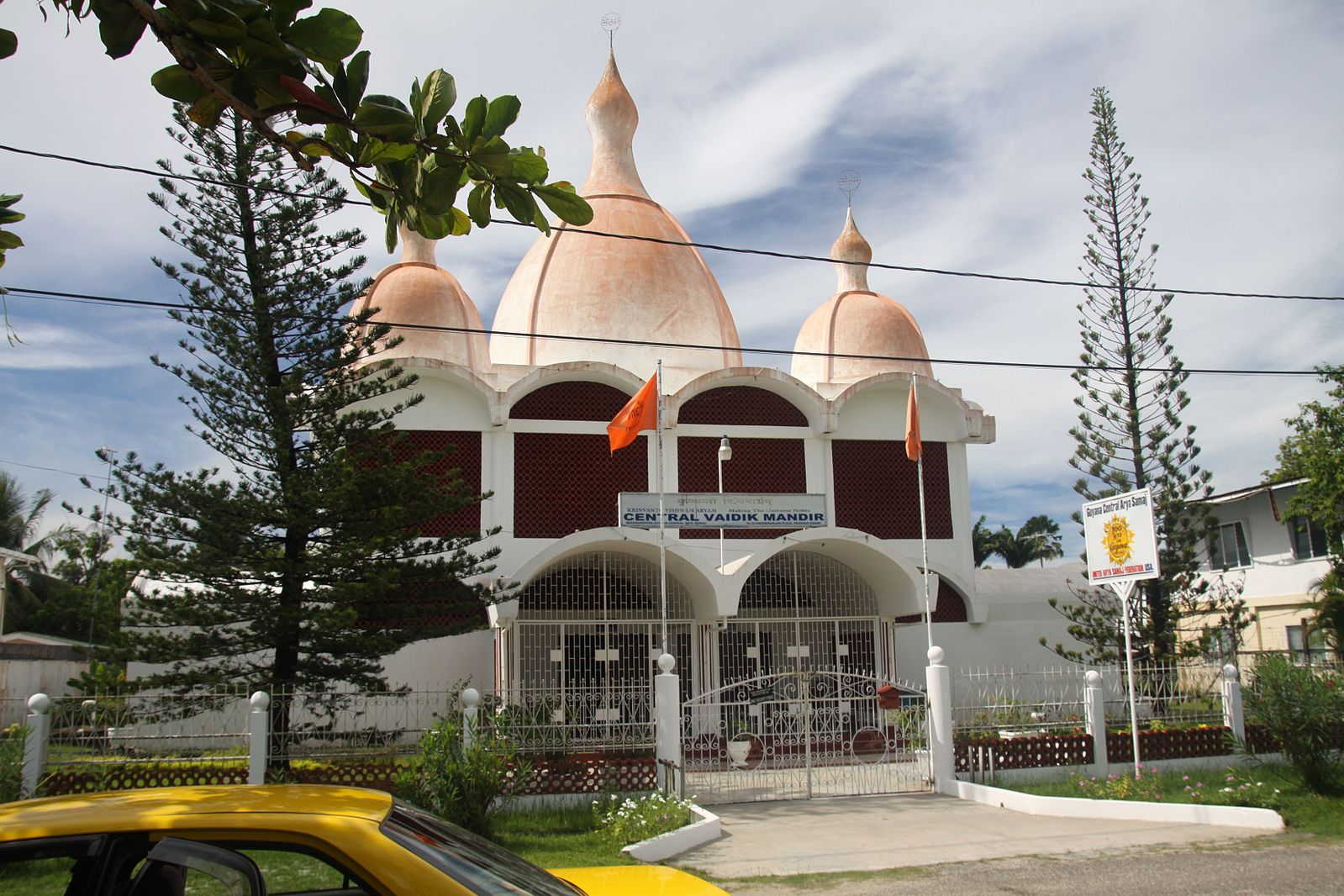
Where is Hinduism practiced?

90% of the world’s 1.2 billion Hindus reside on
the Indian subcontinent, but the diaspora's impact
has spread to every continent

Global Hinduism

Learn about the spread of the Hindu diaspora over centuries, and about what the Hindu population looks like geographically today.

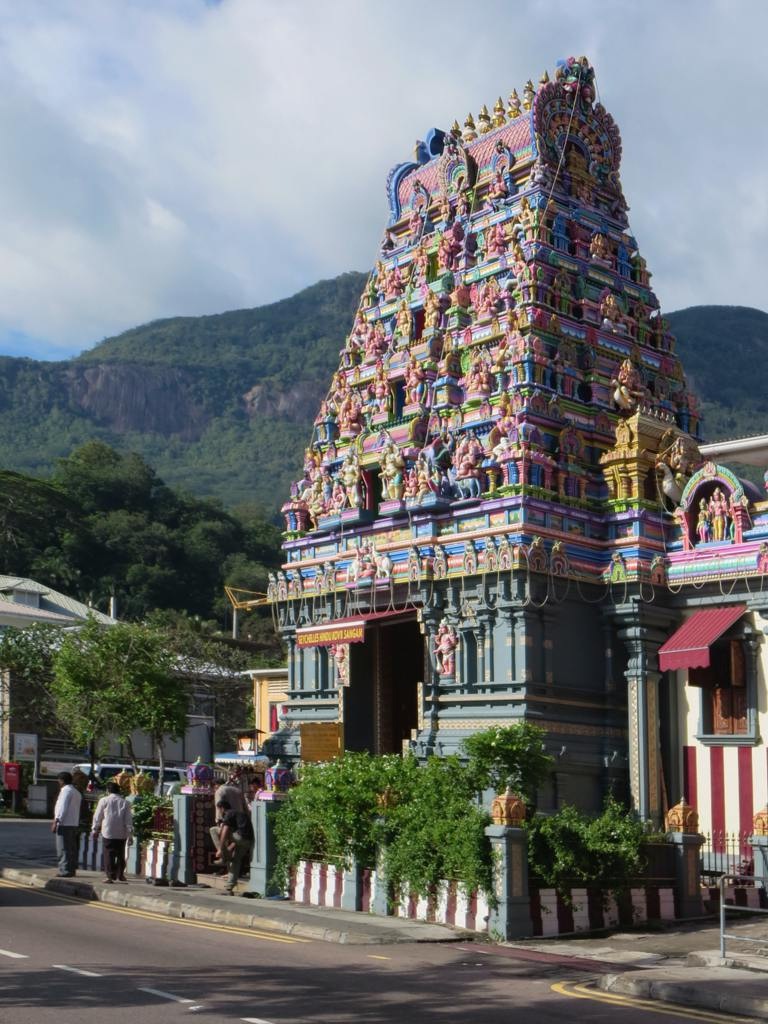
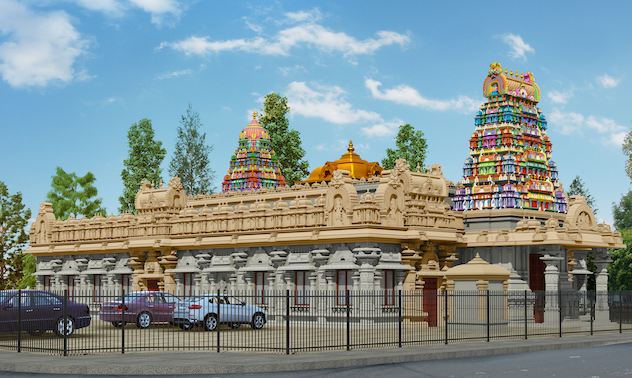
Sacred Arts and Architecture

Learn how art and architecture are both a means and way for Hindu spiritual and religious practice both for the individual and the community.

Who do Hindus venerate?

The modules cover the multiple forms
of the Divine that Hindus venerate.

Hindu Concepts of the Feminine

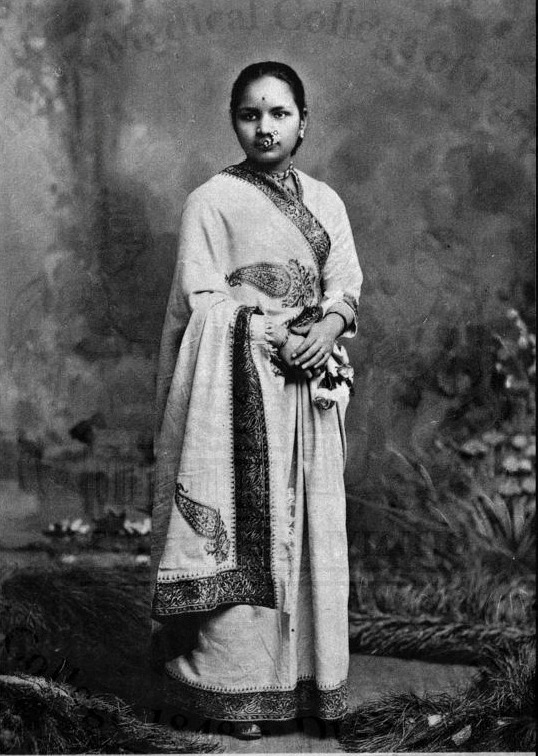
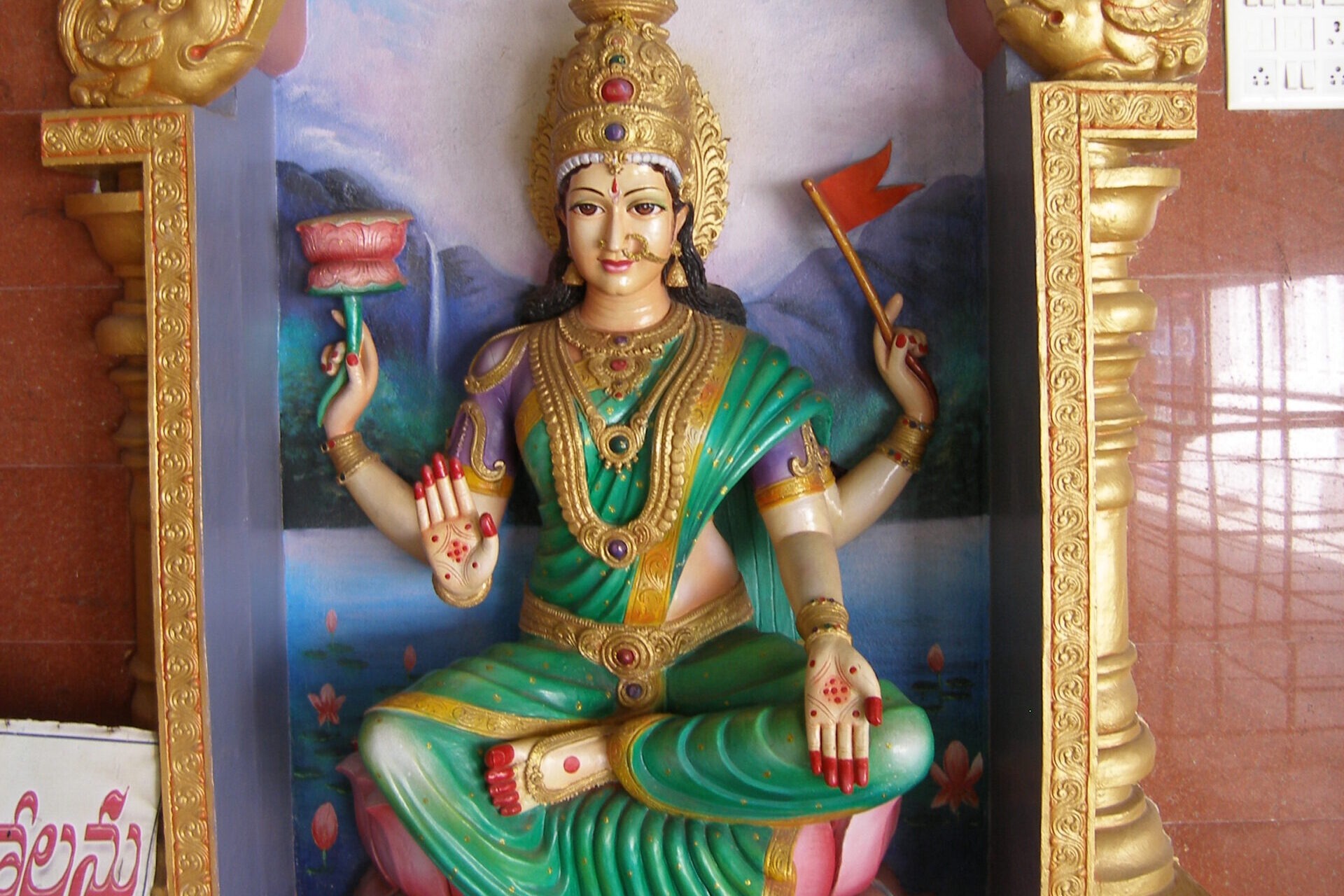
Learn about the role of the feminine diving in Hinduism and role of Hindu women in religious life. Also, meet a few of the women of note that had a significant impact on Hindu society.

Who Hindus Worship

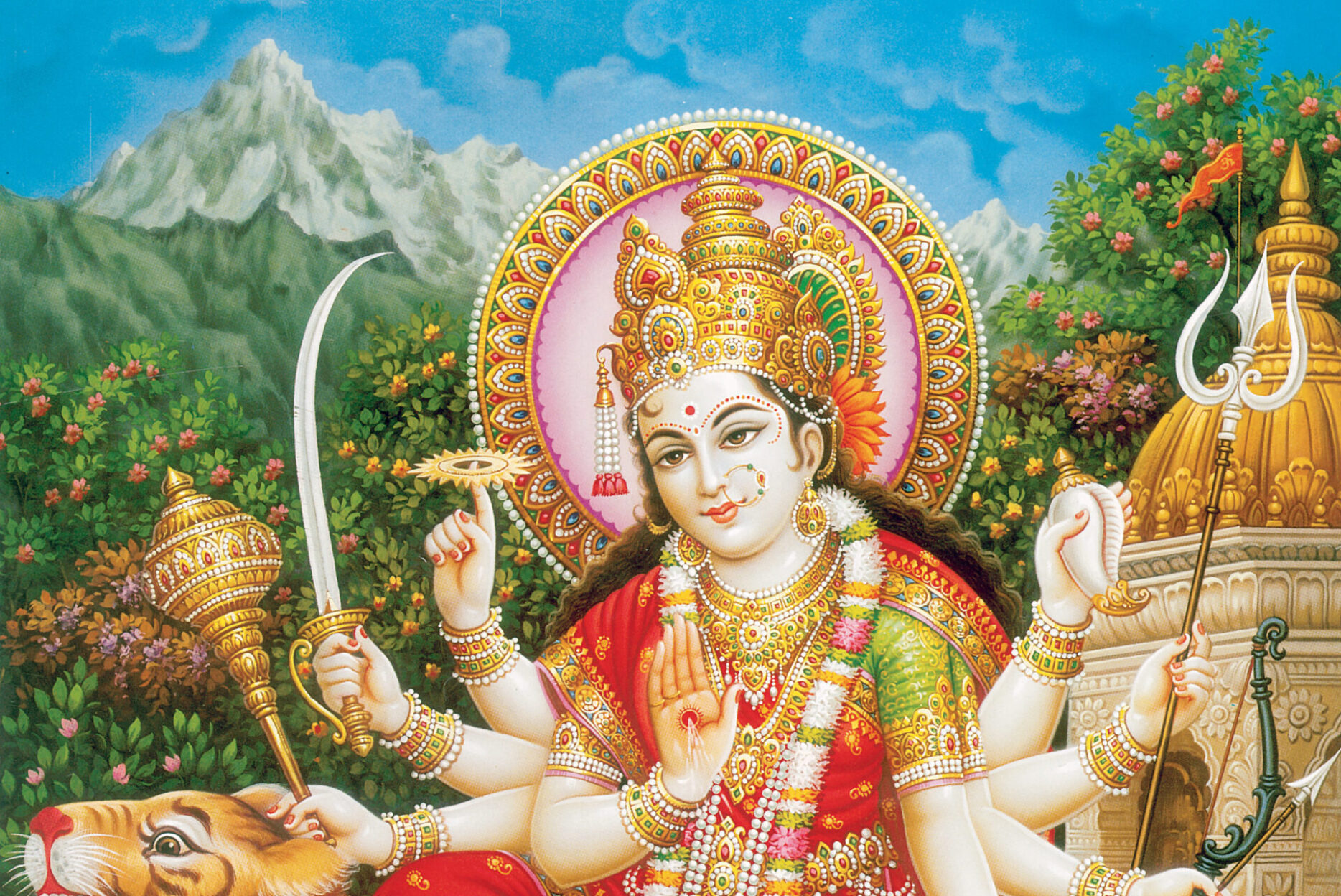
This module covers the various forms of the Divine which Hindus worship. Also learn about some of the symbolism associated with various Hindu deities.

How do Hindus worship?

Dharma, yoga, traditional stages of life, and more.

Dharma

Explores Dharma’s role in spiritual advancement, its connection to Karma, Samsara, and Moksha, and understanding personal dharma in various situations.

Yoga - Paths to Moksha

Details four Hindu paths to liberation: bhakti (devotion), gnana (knowledge), karma (service), and raja (meditation).

Ashramas - Life Stages

Outlines the four life stages in Hinduism, focusing on their responsibilities and significance.

Holy Days & Festivals

Introduces Hindu celebrations and commemorations, highlighting key aspects of lived Hinduism.

Explainer Videos

Spring is a period rich with celebration for Hindus, marking a time of gratitude following winter’s end. Even as the season blooms with festivals of renewal, none herald light and hope like Rama Navami, dedicated to Rama, a sacred harbinger of triumph itself. 

Commemorating his appearance as an avatar of Vishnu, the Divine embodiment of spiritual preservation, the festival is a reflection on his life and journey. Not of purity or perfection, but of balance and equanimity — from palace to forest, from struggle to success.

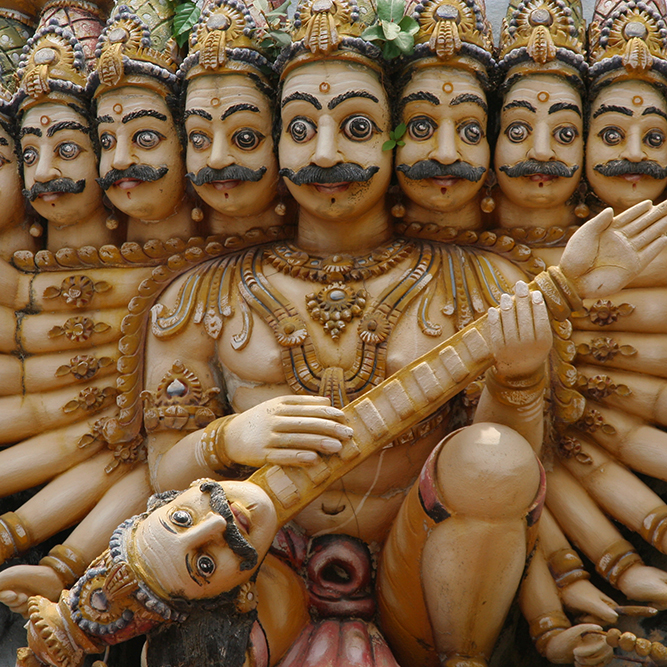
According to The Ramayana, one of India’s ancient epics, the greatest of Rama’s trials began in exile, when his wife Sita was abducted by Ravana, a ruthless tyrant. Fueled by grief, Rama and his brother Lakshmana rallied support, forging an alliance with the Vanaras, a legendary race of forest-dwellers boasting Hanuman, the strongest and most loyal among them.

Repeated attempts at diplomacy were met with hostility and rejection, so they trekked to Lanka and laid siege to Ravana’s capital. Rescuing Sita from his clutches, they defeated Ravana in battle, ushering an age of kindness and understanding.

Yet, it wasn’t mere victory that made Rama the venerable king he became. Moved by his steadfast commitment to others, it was his warmth and humility that won him the adulation of tribesmen and nobles alike, even as a young prince.

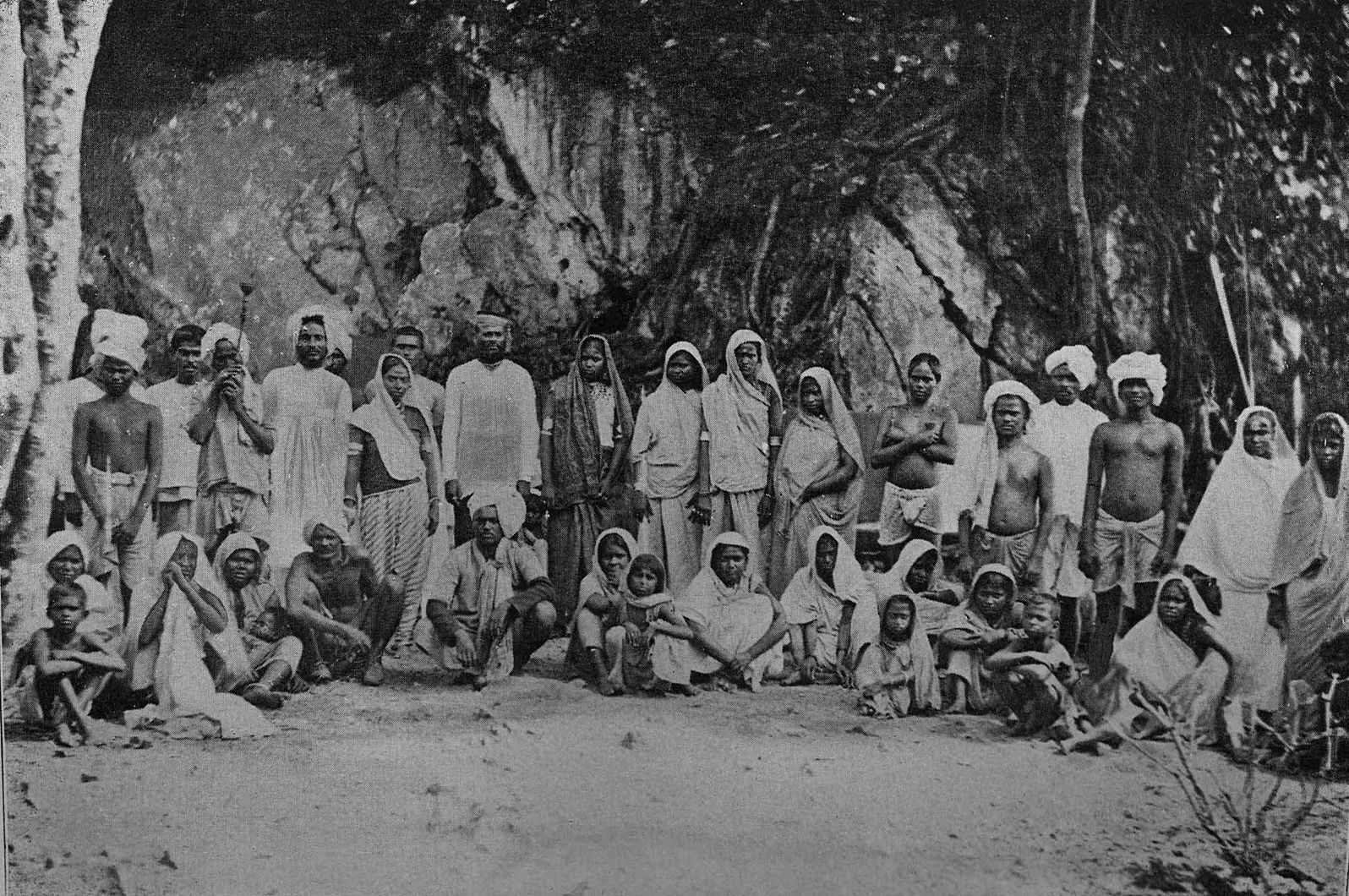
A pillar of love and compassion, he’s garnered boundless affection, particularly among those who have struggled the most — like indentured servants of the colonial era. Shipped to distant lands, thousands of Indians toiled in subjugation, but found strength and resilience in their devotion to him.

A reminder of this truth, Rama Navami thus stands as a profound and poignant global observance, where devotees draw unique power from Rama in their meditation. Fasting, chanting, and performing service in his honor, they take inspiration from his example, for he is a symbol of dharma, the guiding principle of selfless living.

Visit hinduamerican.org/hindu-holidays-guide for more information on various Hindu holidays and Dharmic days.

Spring is a period rich with celebration for Hindus, marking a time of gratitude following winter’s end. Even as the season blooms with festivals of renewal, none herald light and hope like Rama Navami, dedicated to Rama, a sacred harbinger of triumph itself.

Commemorating his appearance as an avatar of Vishnu, the Divine embodiment of spiritual preservation, the festival is a reflection on his life and journey. Not of purity or perfection, but of balance and equanimity — from palace to forest, from struggle to success.

According to The Ramayana, one of India’s ancient epics, the greatest of Rama’s trials began in exile, when his wife Sita was abducted by Ravana, a ruthless tyrant. Fueled by grief, Rama and his brother Lakshmana rallied support, forging an alliance with the Vanaras, a legendary race of forest-dwellers boasting Hanuman, the strongest and most loyal among them.

Repeated attempts at diplomacy were met with hostility and rejection, so they trekked to Lanka and laid siege to Ravana’s capital. Rescuing Sita from his clutches, they defeated Ravana in battle, ushering an age of kindness and understanding.

Yet, it wasn’t mere victory that made Rama the venerable king he became. Moved by his steadfast commitment to others, it was his warmth and humility that won him the adulation of tribesmen and nobles alike, even as a young prince.

A pillar of love and compassion, he’s garnered boundless affection, particularly among those who have struggled the most — like indentured servants of the colonial era. Shipped to distant lands, thousands of Indians toiled in subjugation, but found strength and resilience in their devotion to him.

A reminder of this truth, Rama Navami thus stands as a profound and poignant global observance, where devotees draw unique power from Rama in their meditation. Fasting, chanting, and performing service in his honor, they take inspiration from his example, for he is a symbol of dharma, the guiding principle of selfless living.

Visit hinduamerican.org/hindu-holidays-guide for more information on various Hindu holidays and Dharmic days.

79 0

YouTube Video UExXdEpBdzBnMjZYNHhLd2NzbnBQc0c1ZXVxUHZkdE5fNy41Mzk2QTAxMTkzNDk4MDhF

Happy Rama Navami!

Hindu American Foundation March 24, 2026 7:58 pm

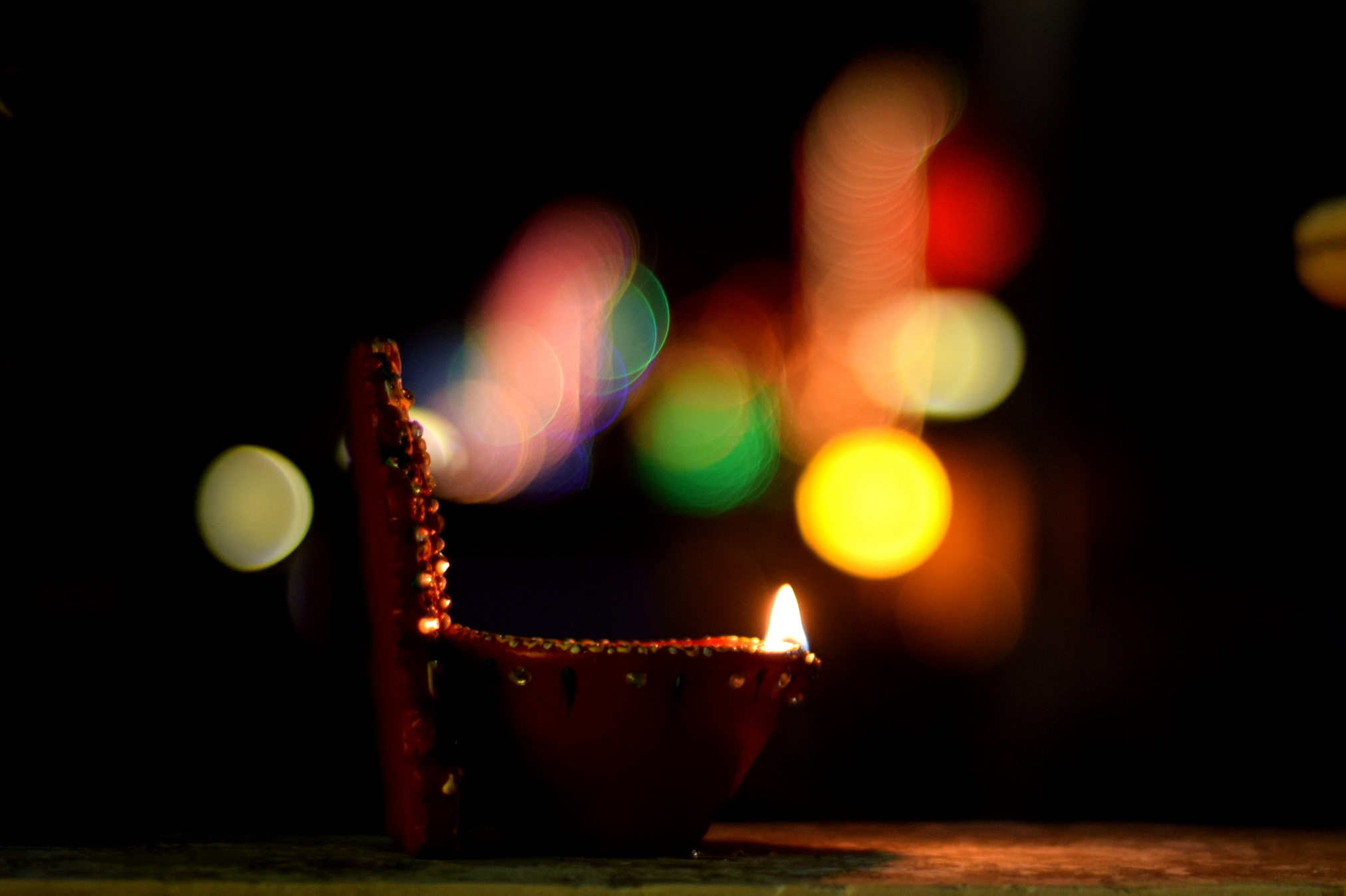
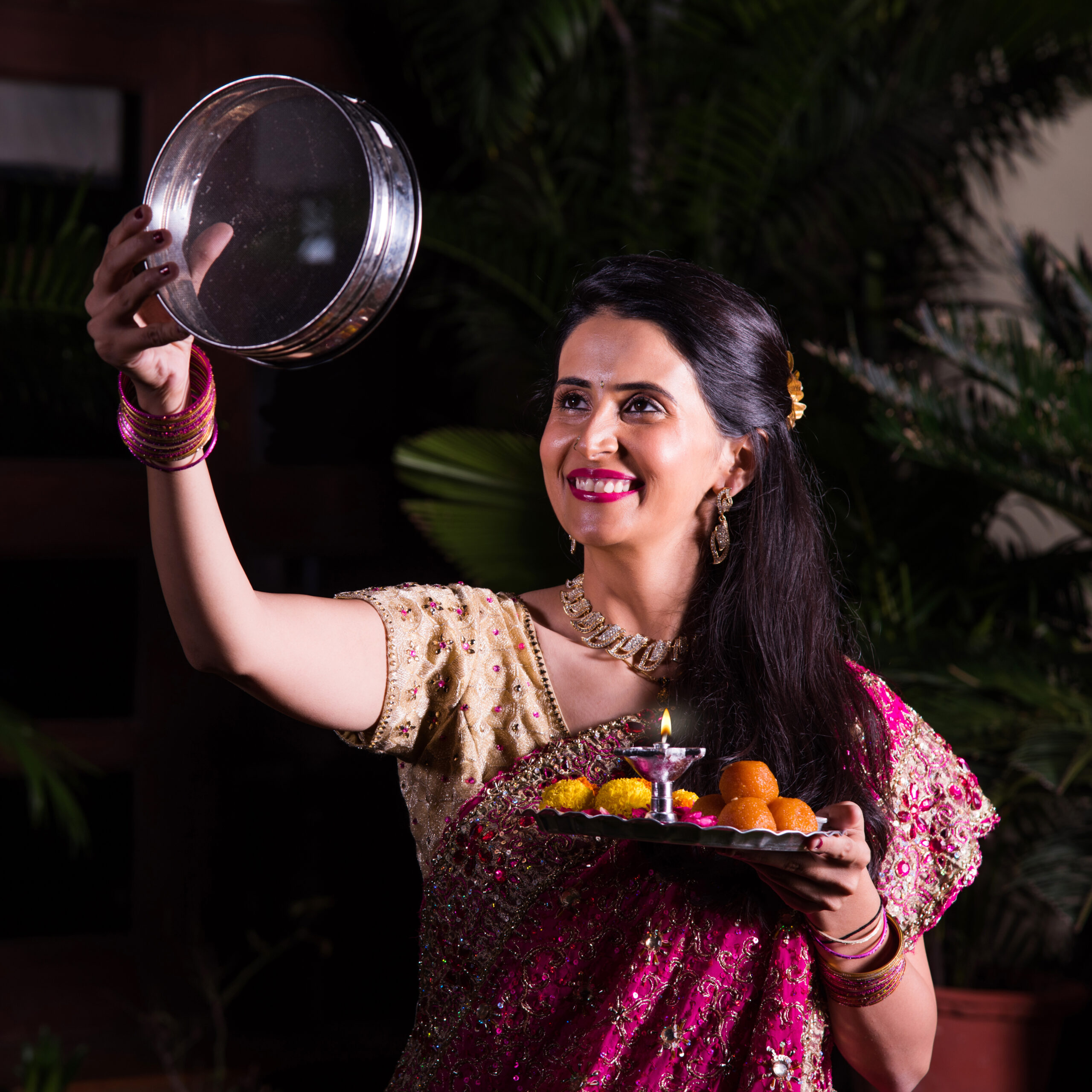
Every autumn, as nights grow longer and the air turns crisp, more than a billion people around the globe gather to celebrate Diwali — the “festival of lights.” It is a time when homes radiate with rows of lamps, communities come alive with color and song, and hearts overflow with devotion and hope. But beyond the glow lies something deeper: a universal call to renewal, wisdom, and compassion.

Diwali stretches over five sacred days.
Day One is  Dhanteras, a time for cleansing and preparation. 
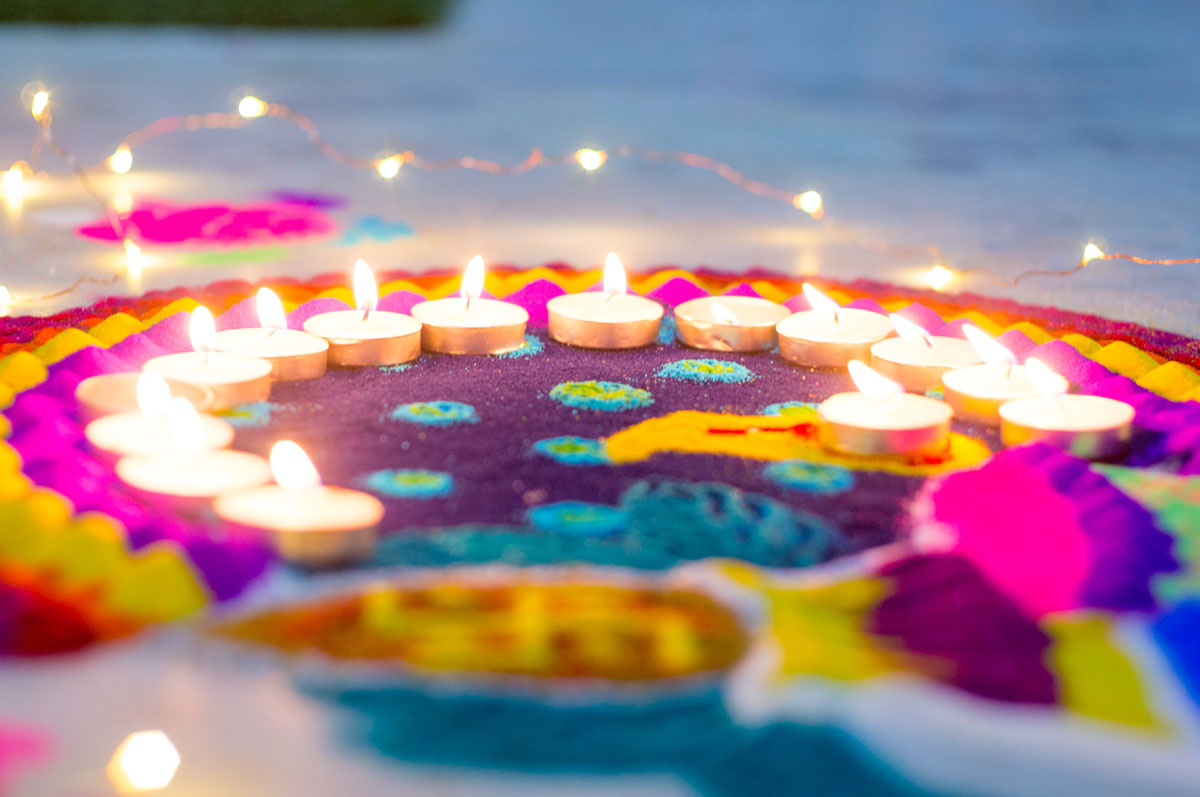
Day Two is Chotti Diwali, which honors Krishna’s victory over Narakasura. Day Three is the main night of Diwali and it is celebrated with rows of diyas, invoking Lakshmi’s blessings, Rama’s joyful return to Ayodhya, and Ganesha’s guidance.
Day Four, the festivities continue with Govardhan Puja, recalling Krishna lifting the mountain to protect his devotees
Day Five with Bhai Bheej, a joyous celebration of the bond between siblings.

Yet Diwali’s radiance doesn’t stop there. Jains mark the spiritual liberation of Mahavira, Sikhs celebrate Guru Hargobind’s release from captivity, and Buddhists in certain traditions observe it as a day of deep reflection. This shared spirit reveals what makes Diwali truly extraordinary: its pluralism, its inclusivity, and its ability to unite people across cultures and faiths under one eternal truth — that light conquers darkness, and knowledge dispels ignorance.

So this year, as you kindle a lamp in your home, know that you are participating in a tradition that has spanned millennia, crossing oceans and generations. Each flame is more than just fire — it is a reminder of resilience, of community, and of the power within us all to shine.

From our family at HAF to yours: may this Diwali fill your life with peace, prosperity, and the light of understanding.

Visit www.hinduamerican.org/diwali

Every autumn, as nights grow longer and the air turns crisp, more than a billion people around the globe gather to celebrate Diwali — the “festival of lights.” It is a time when homes radiate with rows of lamps, communities come alive with color and song, and hearts overflow with devotion and hope. But beyond the glow lies something deeper: a universal call to renewal, wisdom, and compassion.

Diwali stretches over five sacred days.
Day One is Dhanteras, a time for cleansing and preparation.
Day Two is Chotti Diwali, which honors Krishna’s victory over Narakasura. Day Three is the main night of Diwali and it is celebrated with rows of diyas, invoking Lakshmi’s blessings, Rama’s joyful return to Ayodhya, and Ganesha’s guidance.
Day Four, the festivities continue with Govardhan Puja, recalling Krishna lifting the mountain to protect his devotees
Day Five with Bhai Bheej, a joyous celebration of the bond between siblings.

Yet Diwali’s radiance doesn’t stop there. Jains mark the spiritual liberation of Mahavira, Sikhs celebrate Guru Hargobind’s release from captivity, and Buddhists in certain traditions observe it as a day of deep reflection. This shared spirit reveals what makes Diwali truly extraordinary: its pluralism, its inclusivity, and its ability to unite people across cultures and faiths under one eternal truth — that light conquers darkness, and knowledge dispels ignorance.

So this year, as you kindle a lamp in your home, know that you are participating in a tradition that has spanned millennia, crossing oceans and generations. Each flame is more than just fire — it is a reminder of resilience, of community, and of the power within us all to shine.

From our family at HAF to yours: may this Diwali fill your life with peace, prosperity, and the light of understanding.

Visit www.hinduamerican.org/diwali

91 8

YouTube Video UExXdEpBdzBnMjZYNHhLd2NzbnBQc0c1ZXVxUHZkdE5fNy45ODRDNTg0QjA4NkFBNkQy

Happy Diwali! | All About Diwali | Hindu American Foundation

Hindu American Foundation October 1, 2025 5:01 am

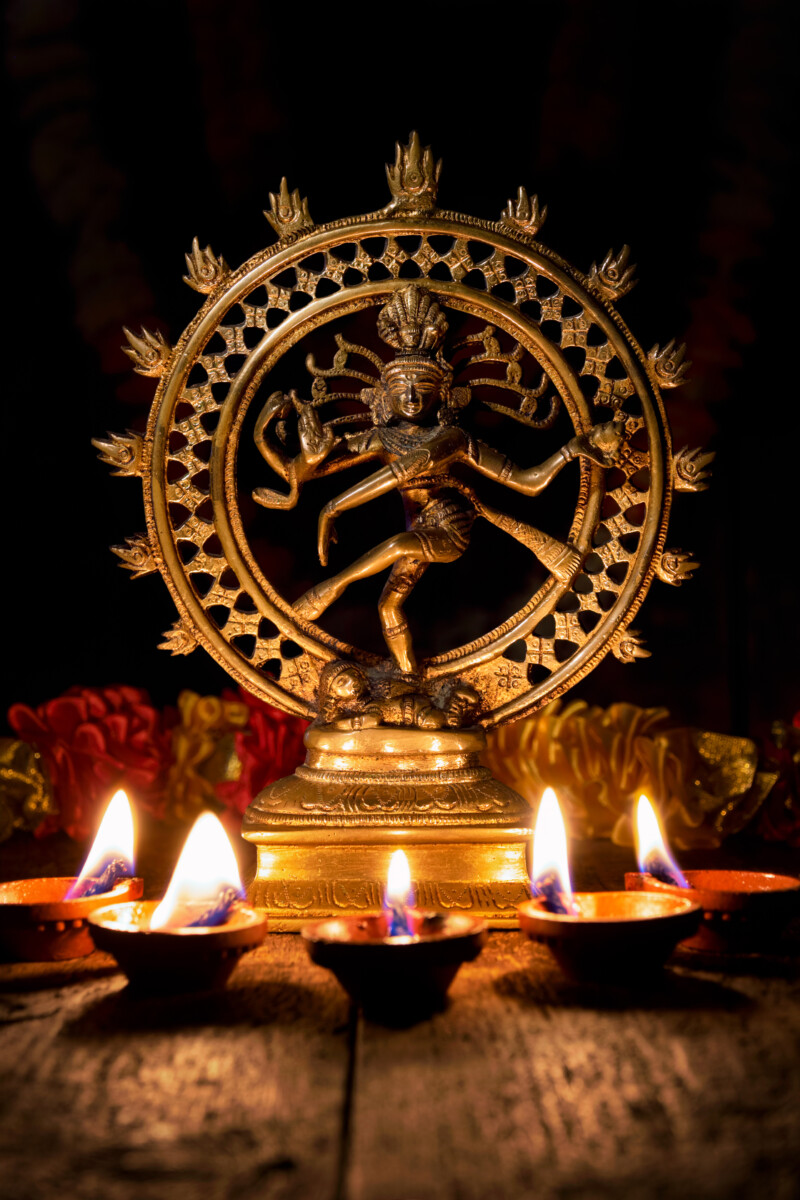
From the 13th night through the 14th day of every month of the Hindu lunar calendar, Shivaratri, translated as the “Night of Shiva,” is observed by devotees. During this time, as the waning moon transforms into the new moon, Shiva, who is known as the “God of Transformation,” is honored and prayed to by those who seek guidance in an ever-changing world. 

The Shivaratri that takes place during Phalguna, the last month of the Hindu lunar calendar, is particularly significant and is hence called Maha Shivaratri, or the “Great Night of Shiva.” Occurring shortly before the start of the lunar new year, in either February or March, as winter ends and spring approaches, Maha Shivaratri is a time for new beginnings and endeavors, especially in regards to spiritual matters.

***  But... as with many significant Hindu festivals, there's also an interesting back story to why Maha Shivaratri has special significance. ***

Once, as described in the Hindu scripture the Bhagavat Purana, the devas (gods) and asuras (enemies of the gods)—and actually we shouldn't be saying "gods" as the better translation is "illumed beings" https://youtu.be/dOUIwFRgO7E —who were often at conflict with each other, were told by Vishnu (the maintainer of the universe), that if they worked together temporarily and churned the ocean of milk, they could produce amrita — a nectar of immortality. 

Agreeing on a truce, they began churning the ocean. Before the amrita came, however, a dangerous poison called halahala was generated and aggressively began to spread in all directions. Unable to check the poison, the devas approached Shiva for help. Shiva, who is both incredibly powerful and extremely compassionate, went to the ocean, fit the entire quantity of poison in the palm of his hand, poured it into his mouth, and stored it in his throat, eliminating the danger and saving everyone. 

Because the potency of the poison turned Shiva’s throat blue, he has since been known as Nilakantha, which means “blue throat.”

The Bhagavat Purana goes on to explain that great personalities always accept voluntary hardship if it means alleviating the suffering of others. As Shiva is amongst the greatest of such personalities, many devotees pray to him on Maha Shivaratri to remove such sufferings, so that they can pursue their spiritual goals with renewed vigor and enthusiasm.

Read all about Maha Shivaratri on our website at https://www.hinduamerican.org/maha-shivaratri

A special thanks to @SamikshaTheViolinist and @DrVilest  for providing the instrumental sounds of the Shiv Tandav Strotam. It's such a beautiful rendition.

From the 13th night through the 14th day of every month of the Hindu lunar calendar, Shivaratri, translated as the “Night of Shiva,” is observed by devotees. During this time, as the waning moon transforms into the new moon, Shiva, who is known as the “God of Transformation,” is honored and prayed to by those who seek guidance in an ever-changing world.

The Shivaratri that takes place during Phalguna, the last month of the Hindu lunar calendar, is particularly significant and is hence called Maha Shivaratri, or the “Great Night of Shiva.” Occurring shortly before the start of the lunar new year, in either February or March, as winter ends and spring approaches, Maha Shivaratri is a time for new beginnings and endeavors, especially in regards to spiritual matters.

*** But... as with many significant Hindu festivals, there's also an interesting back story to why Maha Shivaratri has special significance. ***

Once, as described in the Hindu scripture the Bhagavat Purana, the devas (gods) and asuras (enemies of the gods)—and actually we shouldn't be saying "gods" as the better translation is "illumed beings" https://youtu.be/dOUIwFRgO7E —who were often at conflict with each other, were told by Vishnu (the maintainer of the universe), that if they worked together temporarily and churned the ocean of milk, they could produce amrita — a nectar of immortality.

Agreeing on a truce, they began churning the ocean. Before the amrita came, however, a dangerous poison called halahala was generated and aggressively began to spread in all directions. Unable to check the poison, the devas approached Shiva for help. Shiva, who is both incredibly powerful and extremely compassionate, went to the ocean, fit the entire quantity of poison in the palm of his hand, poured it into his mouth, and stored it in his throat, eliminating the danger and saving everyone.

Because the potency of the poison turned Shiva’s throat blue, he has since been known as Nilakantha, which means “blue throat.”

The Bhagavat Purana goes on to explain that great personalities always accept voluntary hardship if it means alleviating the suffering of others. As Shiva is amongst the greatest of such personalities, many devotees pray to him on Maha Shivaratri to remove such sufferings, so that they can pursue their spiritual goals with renewed vigor and enthusiasm.

Read all about Maha Shivaratri on our website at https://www.hinduamerican.org/maha-shivaratri

A special thanks to @SamikshaTheViolinist and @DrVilest for providing the instrumental sounds of the Shiv Tandav Strotam. It's such a beautiful rendition.

119 0

YouTube Video UExXdEpBdzBnMjZYNHhLd2NzbnBQc0c1ZXVxUHZkdE5fNy40NzZCMERDMjVEN0RFRThB

The Great Night of Shiva: Maha Shivaratri!

Hindu American Foundation February 24, 2025 6:00 am

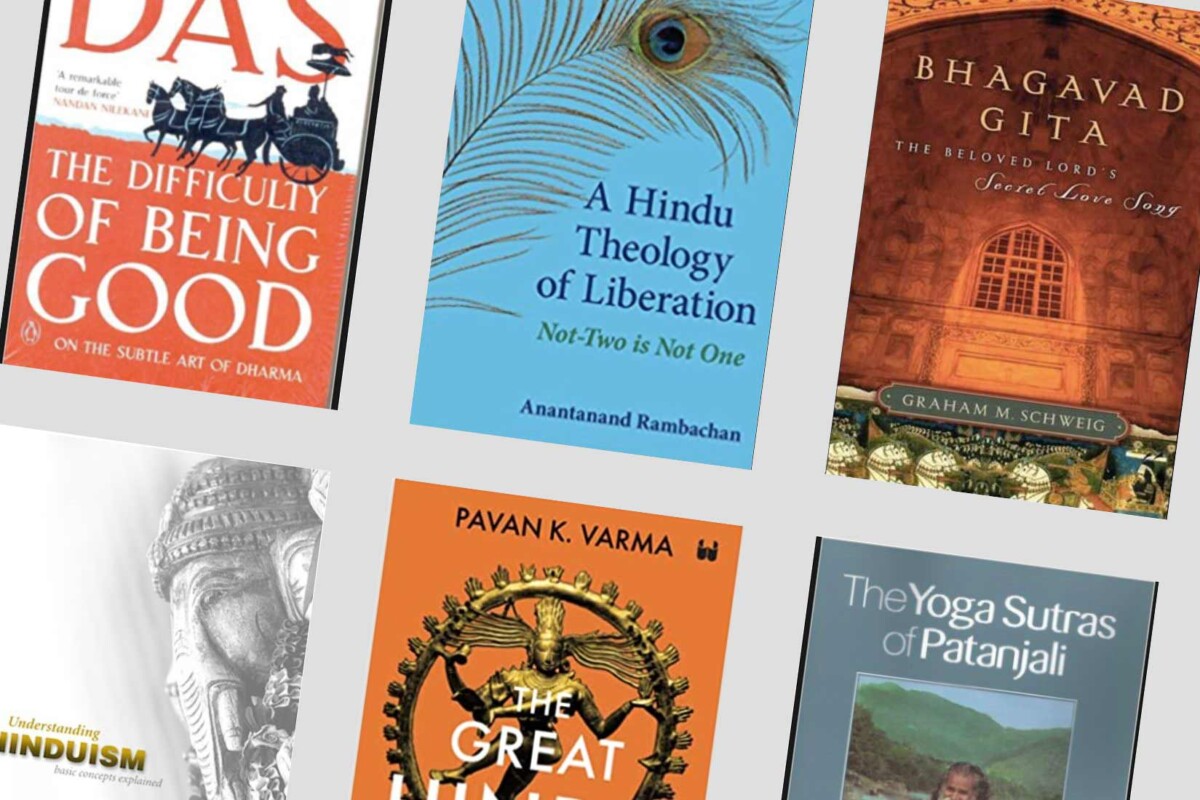
Further Reading

Go deeper into learning about Hinduism with these recommended books.
Donor Spotlight

HAF is excited to partner with the Uberoi Foundation for Religious Studies to expand our educational resources on the Dharma Traditions. With Uberoi’s grant support, we’ll develop new guides, podcasts, and videos to deepen the understanding of Hinduism, Jainism, Buddhism, and Sikhism, promoting respectful dialogue in schools and communities.
Enjoy our content? Support our work!

Our team has spent a significant amount of time to research, write, review, and design these various educational modules. If you have found these to be useful in your journey to learning about Hindu dharmas, please consider making a donation.

Donations aren’t the only way you can support HAF. Learn more.

Questions? Contact us!

  • This field is for validation purposes and should be left unchanged.