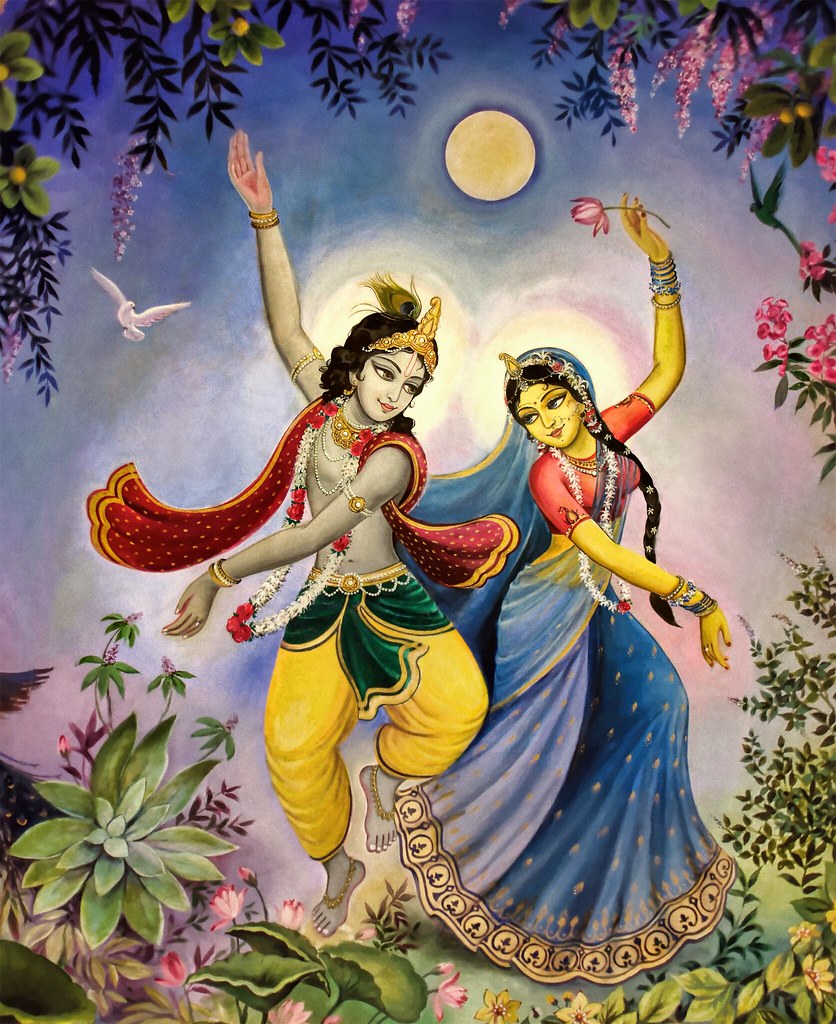
The final major day of the Dīpāvali (Diwali) season ends with a culmination of gratitude to the bonds between siblings, family members, and community broadly. Many of the previous days were focused on personal gratitude to a variety of factors needed for a comfortable, healthy, and prosperous human life. However, the final celebration reminds us that our families have a major role to play, even though as we get older, humans tend to focus more on friends and social networks than the family. It is less a case that people don’t love their families or do not fulfill their responsibilities. It is more that we trust others with parts of our lives that we keep away from our families. While this is normal in terms of the progression of the phases of human development, it is yet something that will be tested. Friends and social networks are not always fairweather but they are more often than not. If we learn to re-develop trust and honor the responsibilities we have to our families without judgment against impracticable ideals but with the compassionate understanding for the human condition that comes with age – then we would have no stronger an advocate for ourselves than our own family.
Jump to the stories of Bhai Beej and Yama Dvitiya
When: Dvitīyā, the second day of the bright half of the month of Kārtika.
Also known as: Bhai Beej, Yama Dvitīyā
Devi teaches Mary about Bhai Beej
Meet Mary and Devi. Mary and Devi are good friends. Devi is Hindu; Mary is not. But Mary is super curious about the various things Devi does in her Hindu spiritual traditions, particularly Diwali. She’s heard enough about Diwali to know it is one of Hinduism most sacred festivals but really has no idea what it is all about. So the two decided to go through each of the six days of Diwali.
Next up is Bhai Beej!
Stories & Observances
Yama and Yamī – Sibling Bonds
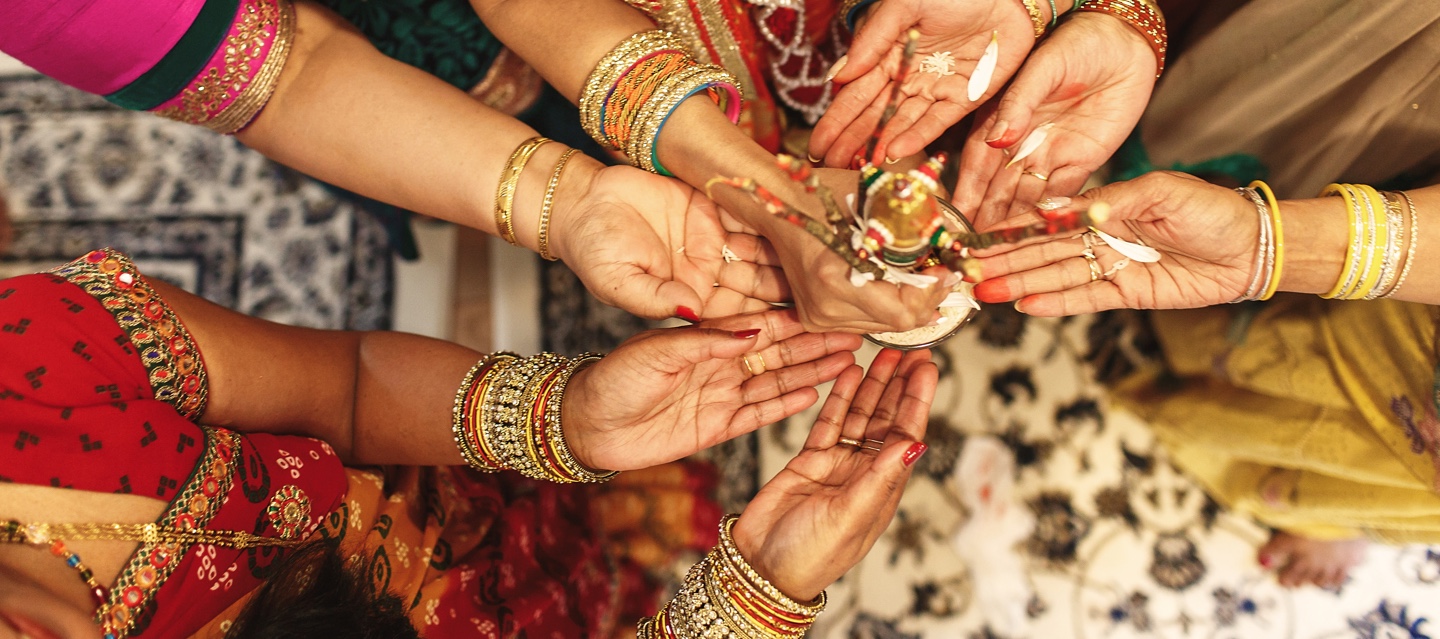
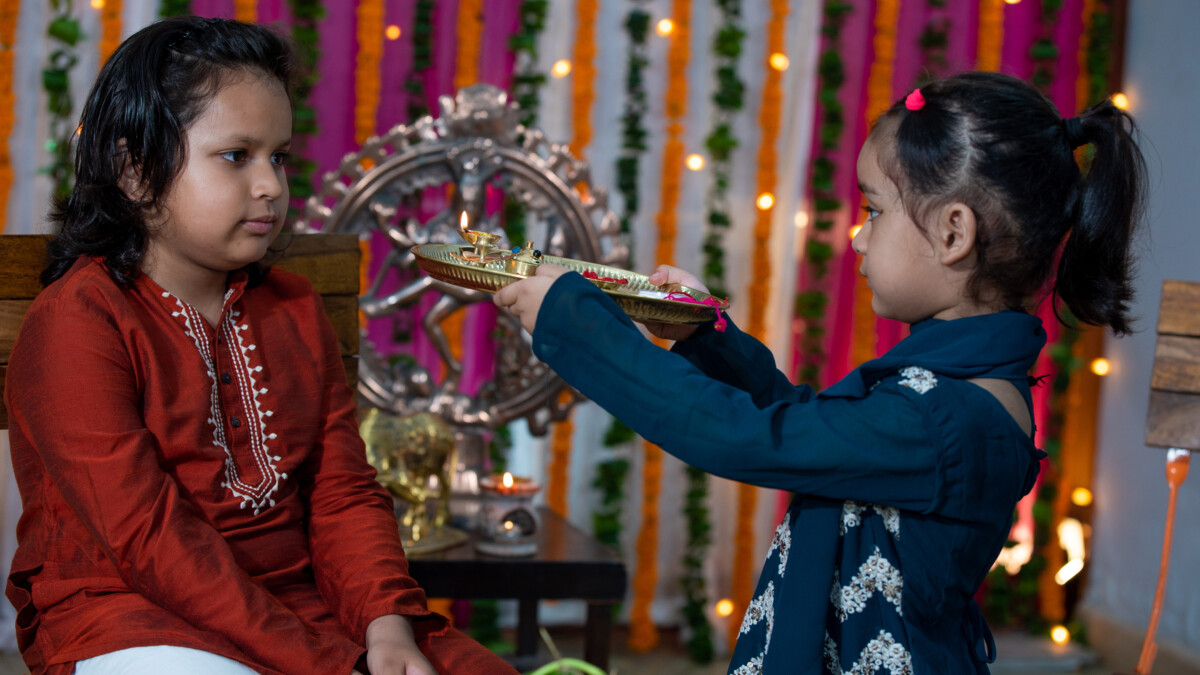
One of the most prominent stories comes from book 10 of the Ṛgveda, chapter 207 of the Skanda Purāṇa, as well as local oral traditions1. It tells of Yama, the personification of death, who visited his twin sister Yamī (as in the personification of the river Yamunā) after Diwali. Yamī welcomed Yama with a ceremonial sacred mark on his forehead, offered him sweets, and blessed him with aspirations for his long life. Pleased by her affection, Yama granted that all siblings who receive a sacred mark and blessings from their other siblings on this day would live a full, prosperous life. Though the narrative is of the sister, Yamī, showing appreciation to Yama, her brother, it is not only a festival where sisters thank their brothers, as is commonly assumed. In fact, this is a festival for all siblings, whether they are blood or chosen family. At the center of it all is the sharing of a meal that the siblings prepare, as well as the sacred mark, sweets, and of course, gifts2. It is celebrated with various degrees of prominence by a great number of regions and traditions across the Hindu world. Some people will also make a special trip to the Yamunā river to do a ceremony of gratitude to Yama and Yamī before taking a bath in the sacred river.
Gratitude to Citragupta
In some communities, this day is also sacred to Citragupta, the celestial scribe who is in the service of Yama, the personification of death. According to ancient tales, Citragupta is tasked with writing out the deeds of each person, and maintaining a ledger of how a person thought, spoke and acted while alive on earth. When a person died, Citragupta would provide Yama with all the information needed to make a judgement as to the future destination of the individual. While most Hindu Dharma traditions treat this story as allegorical, there are a few Hindu Dharma traditions that choose to focus on this observance to help people understand more about impulsive action and its consequences vis-a-vis well considered, selfless actions and their results.


Get the full Diwali Toolkit
This page is one part of HAF’s Diwali Resources & Toolkit. The free 2026 Diwali Toolkit and Activities Packet covers the who, what, when, why, and how of Diwali, walks through all six days, and includes activities for home or the classroom.