

Holi is a Hindu festival celebrating the start of spring, which is the season of hope and new beginnings. Often referred to as the “Festival of Colors,” Holi is celebrated around the world and is recognized as a national holiday in some countries with significant Hindu populations.
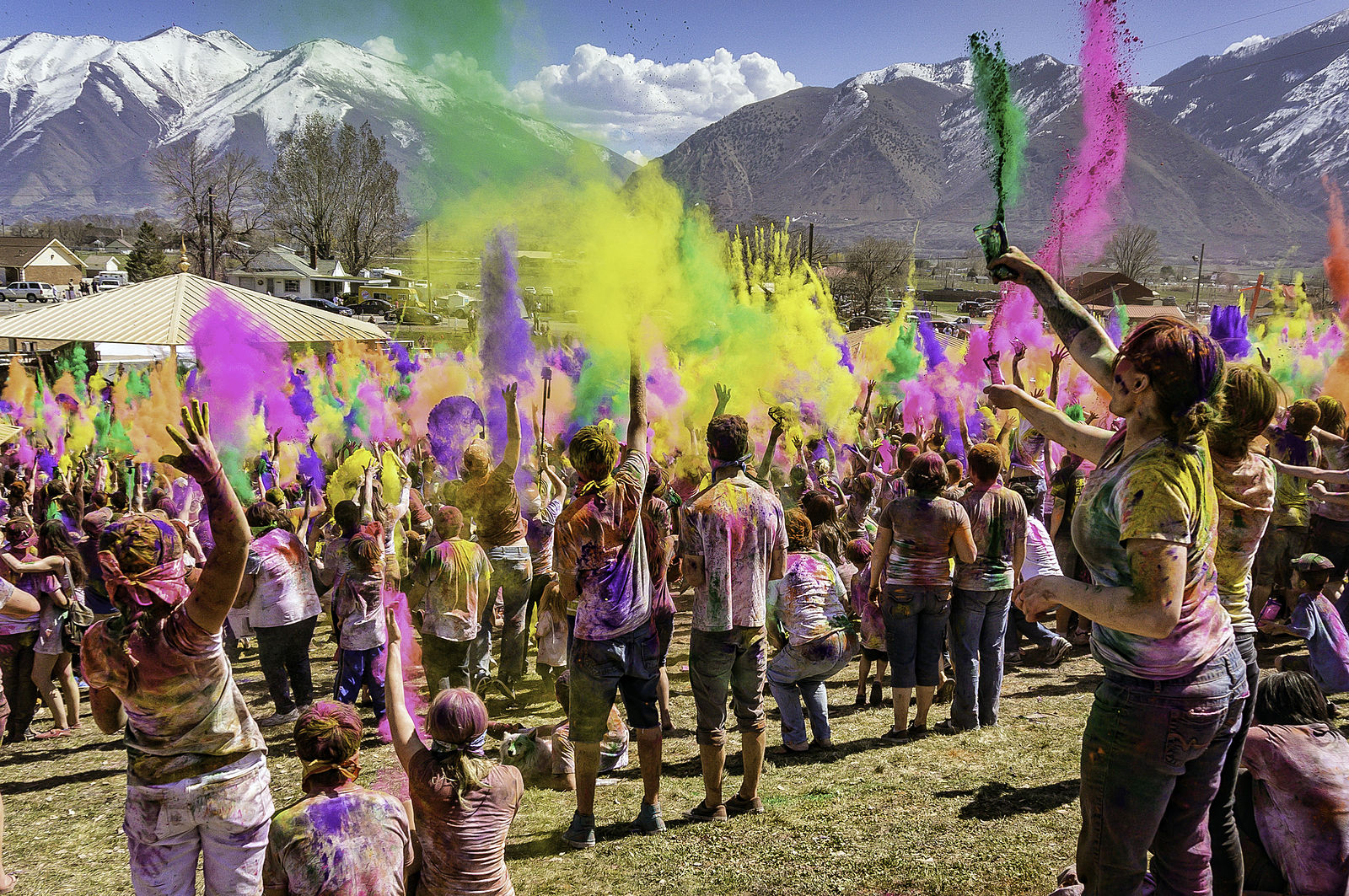
When is Holi?
The timing of Holi, like other Hindu festivals, is synchronized with the moon, which means that the actual dates vary from year to year. Holi falls on the full moon day (Purnima) between the end of February and the middle of March (month of Phalgun), according to the Hindu lunar calendar.
This year, Holi celebrations start on March 3, 2026.
Who celebrates Holi?
Holi is a Hindu celebration, which originated in ancient India. However, today people of all nationalities, backgrounds and religions celebrate Holi all over the world.
5 Things to Know About Holi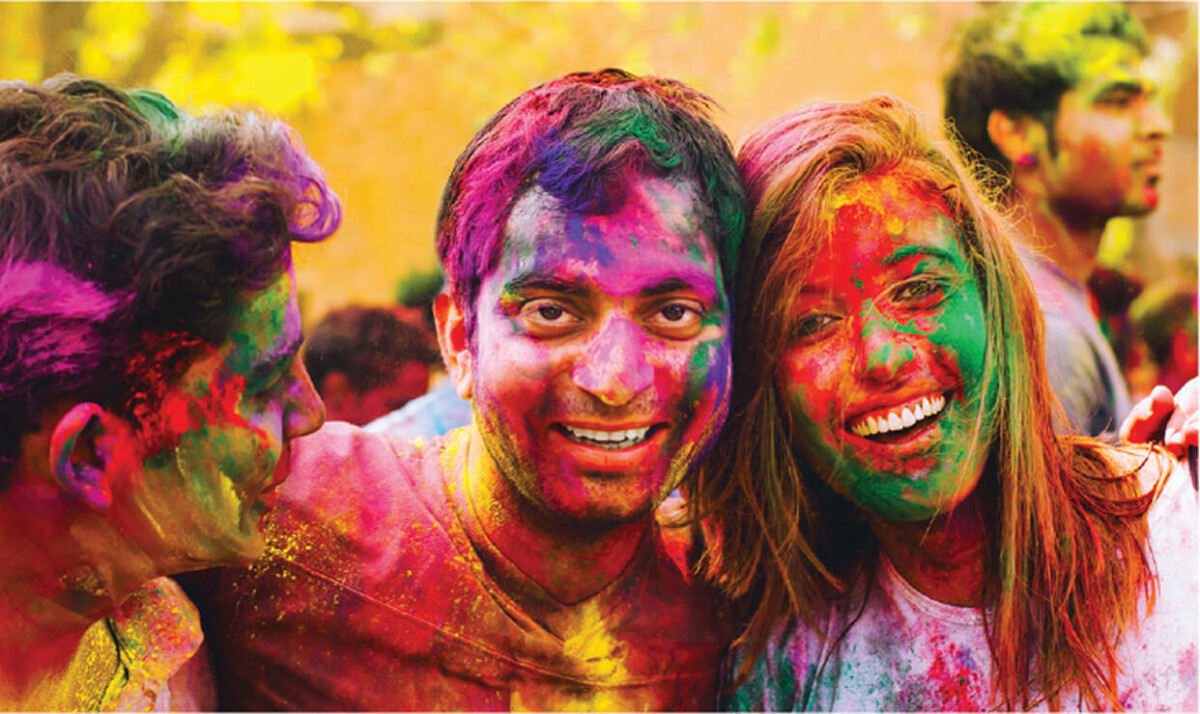
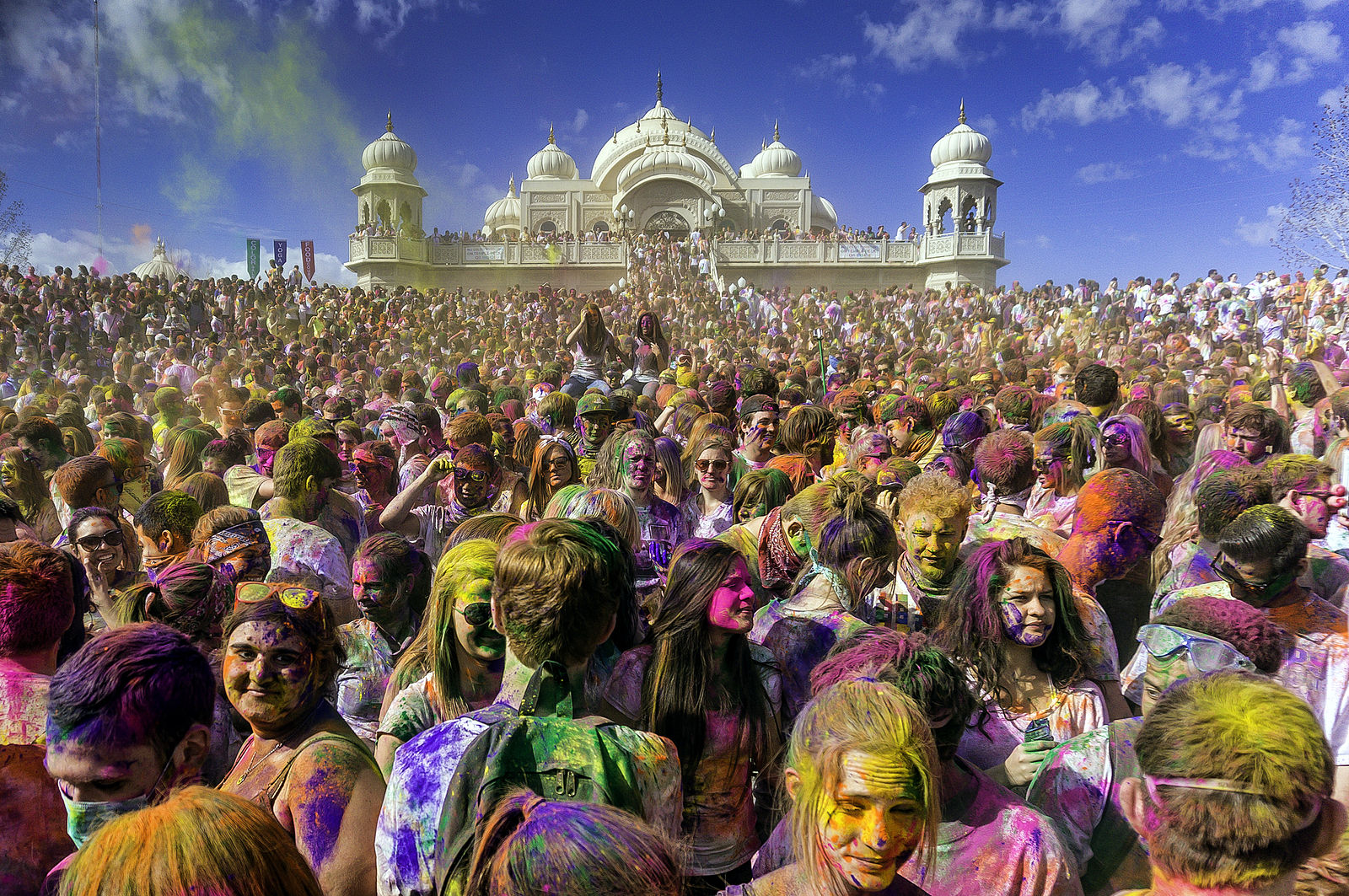
Where is Holi celebrated?
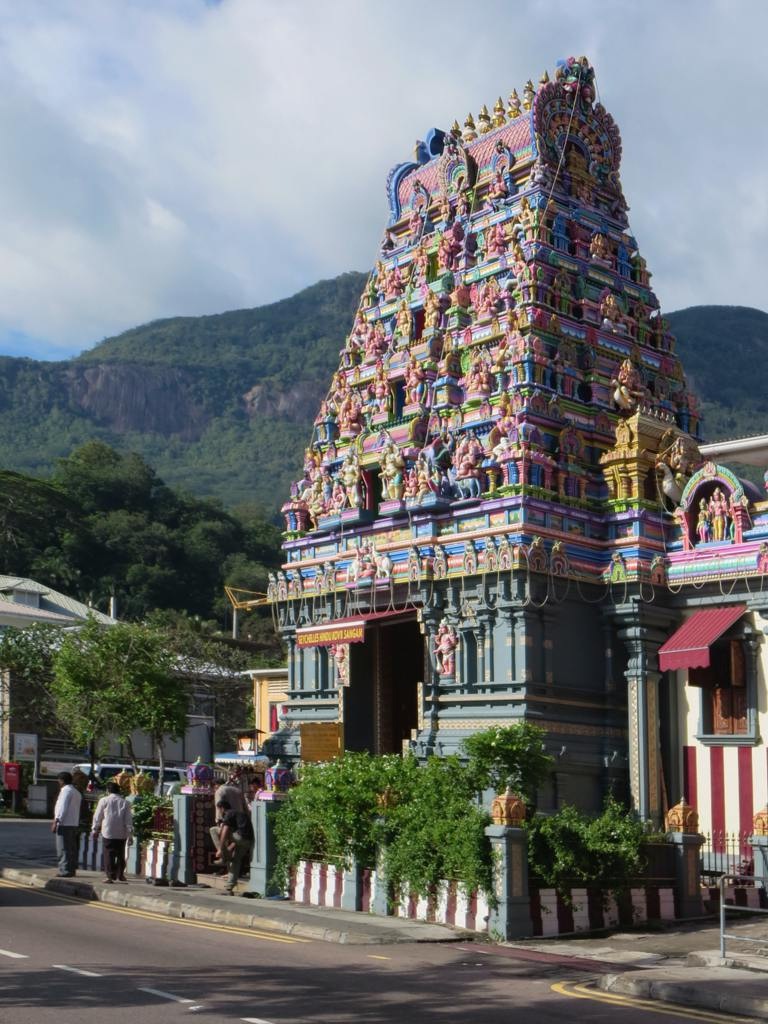
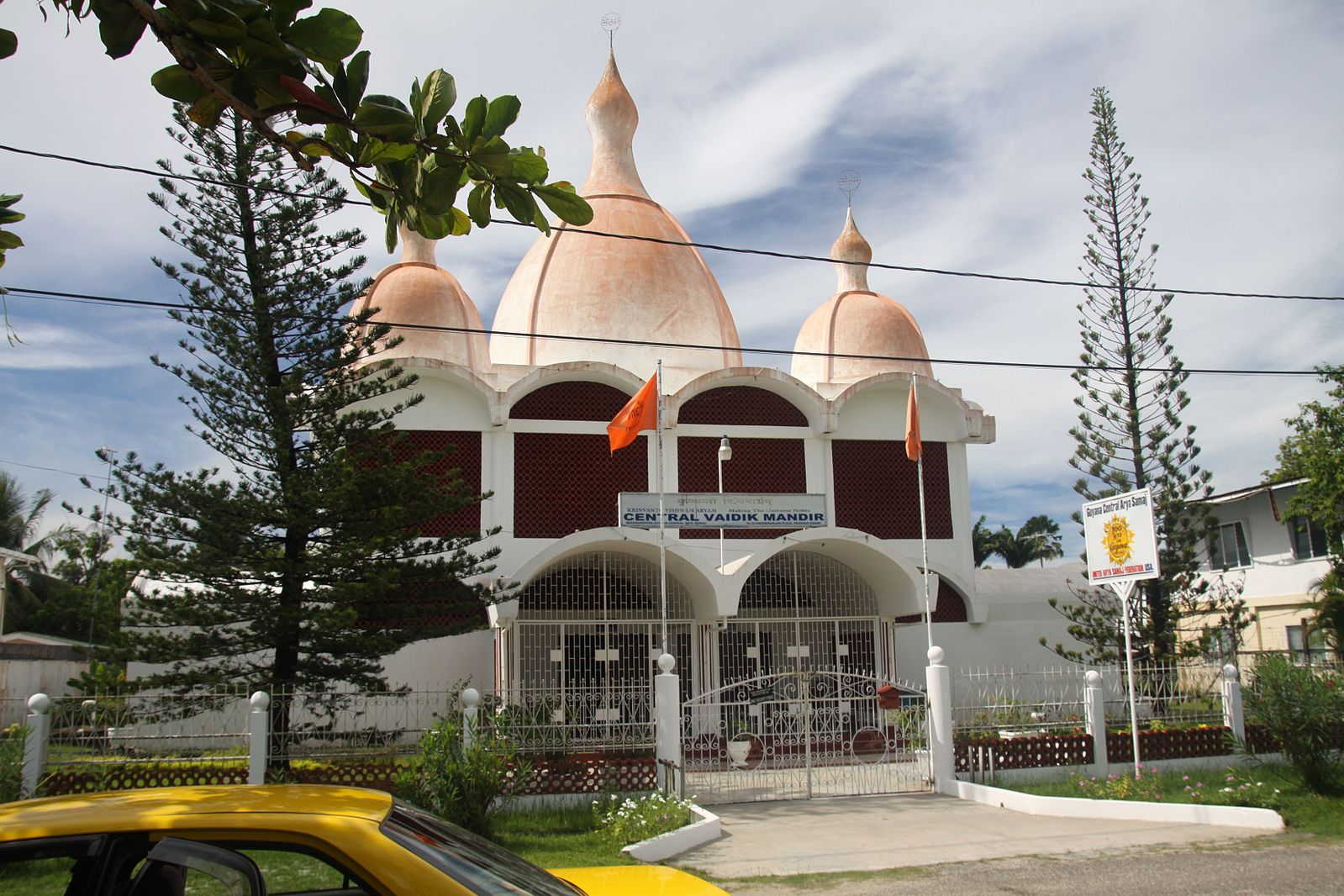
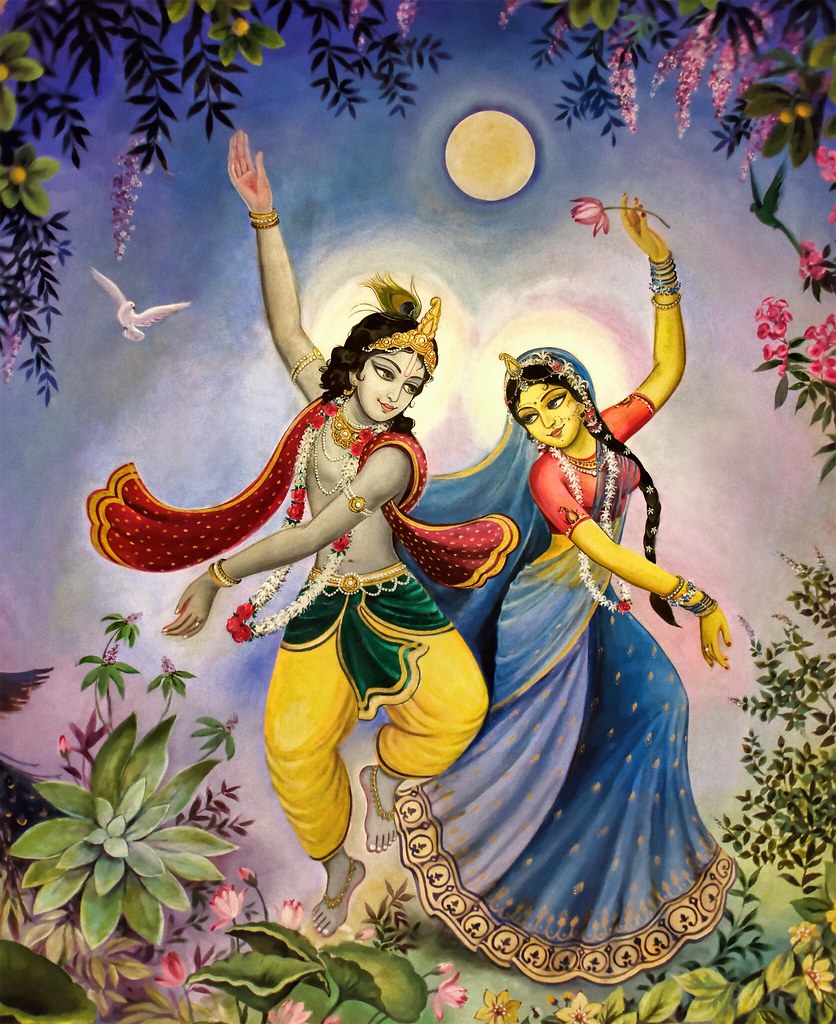
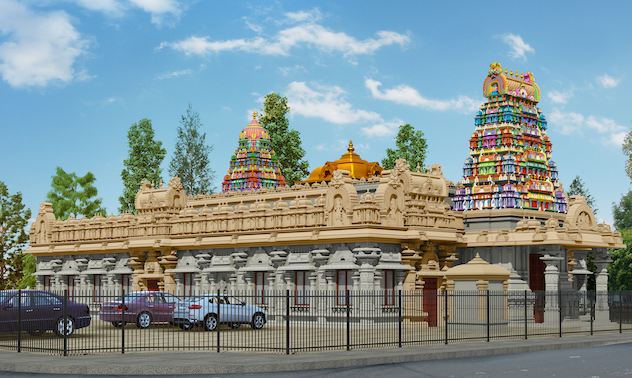
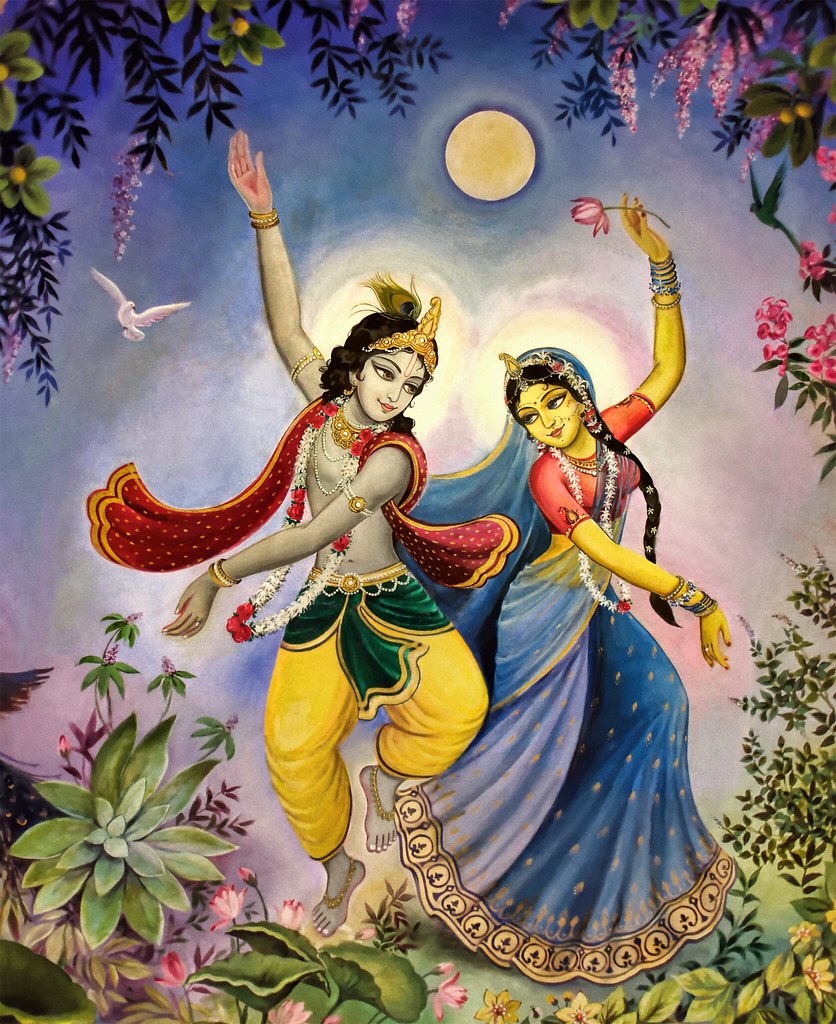
Many Hindu temples and South Asian cultural centers hold Holi celebrations for their members, and festivities are often outside due to the use of colorful powders and water. However, many Hindu temples will also hold religious services inside the temple to honor the Hindu deities1—Krishna, Radha, and Narasimha.
How is Holi celebrated?
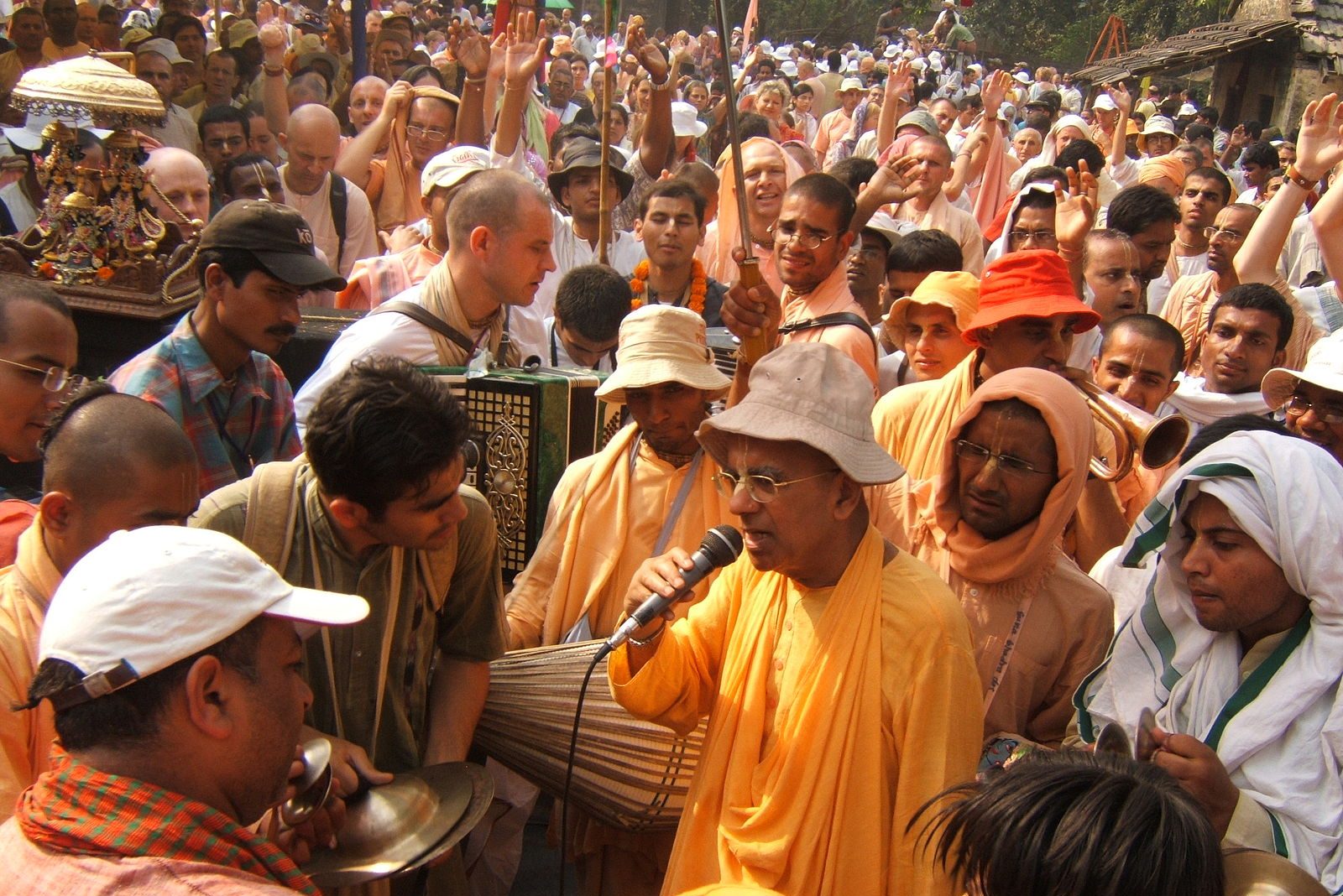
Depending on regional traditions and where you are in the world, Holi can be a multi-day festival or an afternoon celebration. The first evening iis known as Holi Purnima (the Holi full moon) and usually involves a bonfire as people gather around to sing and dance in hopes of overcoming negativity by getting rid of unsatisfactory thoughts and deeds from the previous year. On the next day, people of all ages wear white to throw colored powder (gulal) or colored water (pani) at one another. In the evening, everyone gets together with their family and friends to enjoy festive foods, sweets, and companionship. Hindu temples are decorated with bright colors and the deities are decorated with glittering jewels and clothing. With a theme of harmony and new beginnings, Holi encourages people to renew our efforts at becoming decent human beings—reflect on our past misdeeds, improve our routines and interactions, and continue making progress in life.
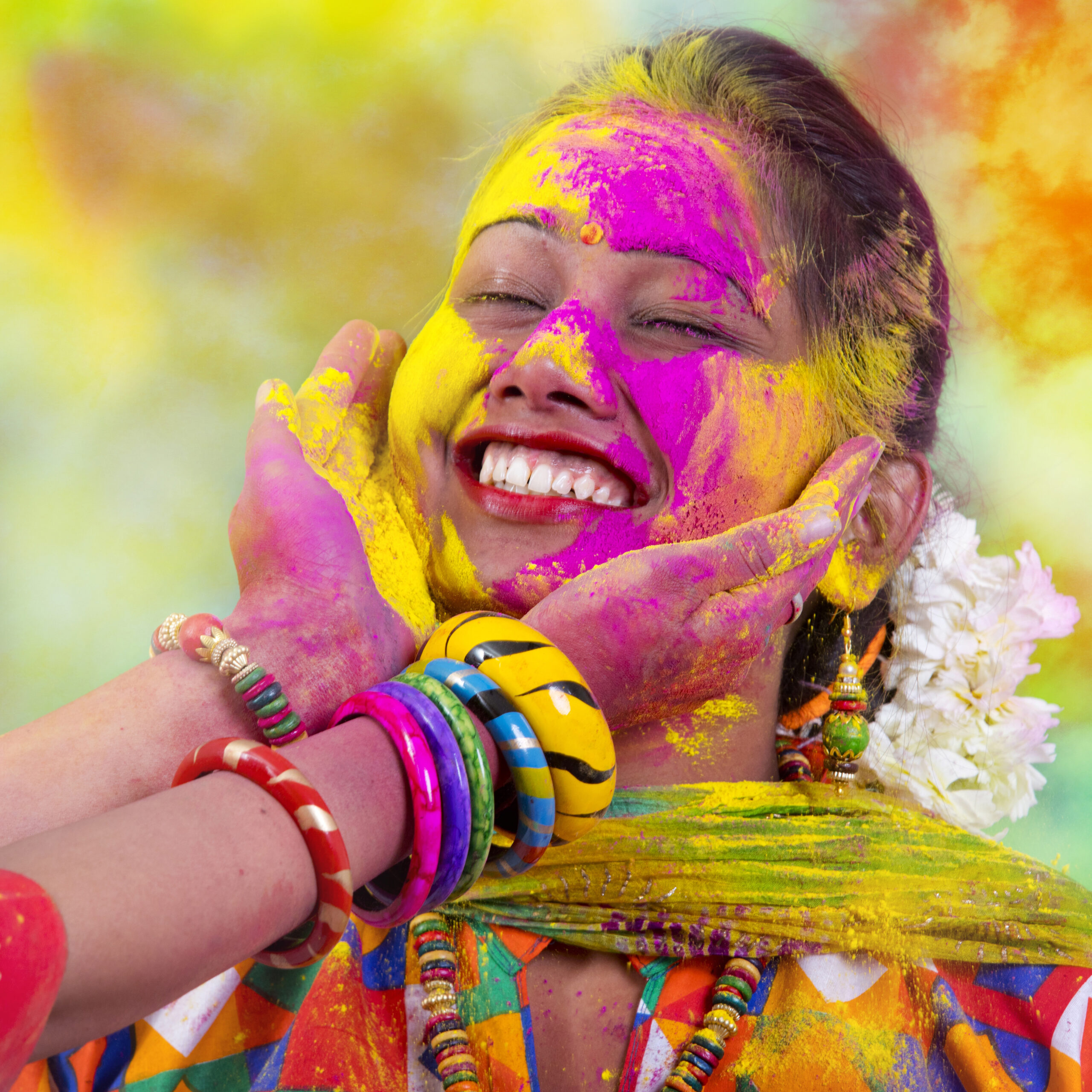
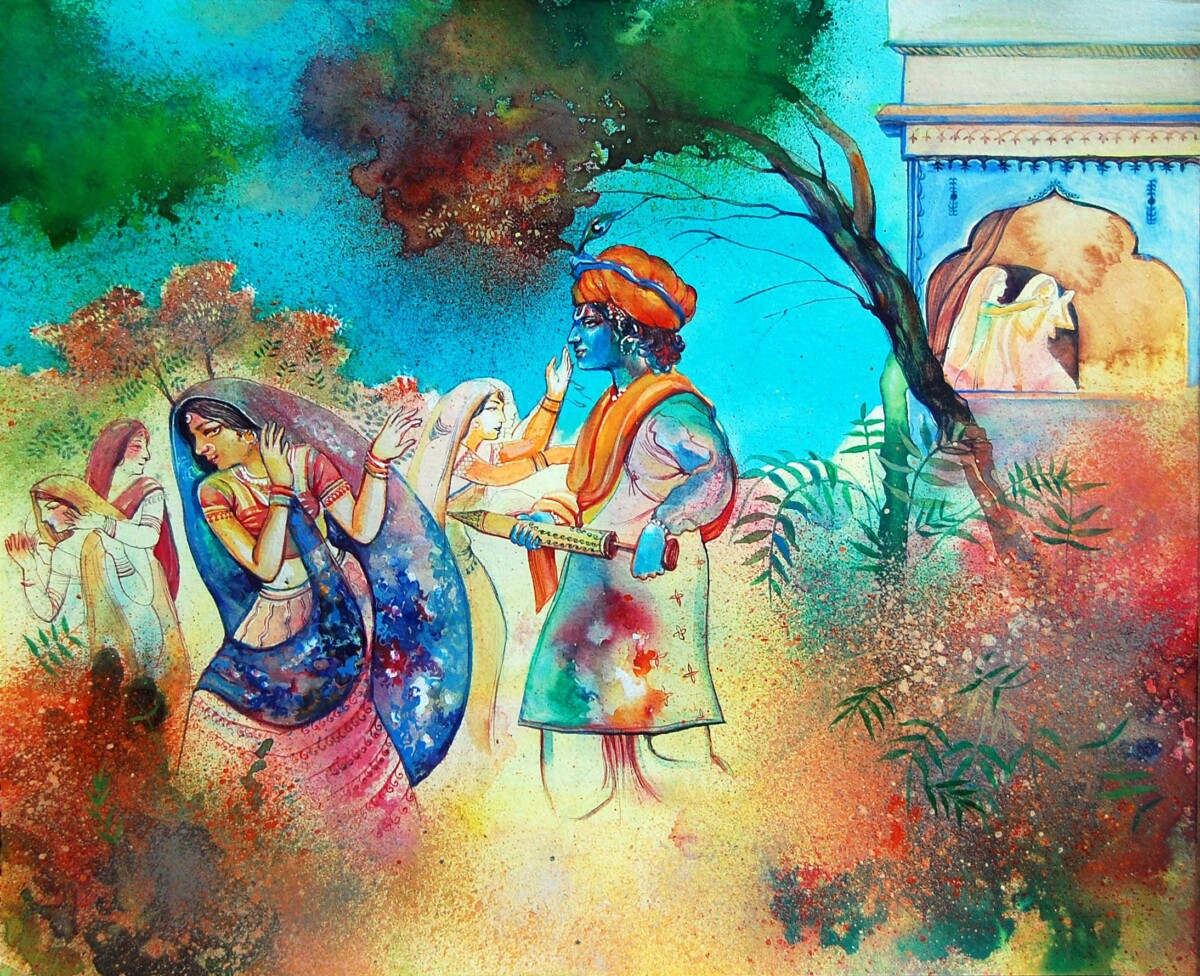
Full Stories of Holi
There are several legends associated with the celebration of Holi, popular in various Hindu communities, we have collected four stories that help you better understand Holi.
View Holi Stories
Significance of Color
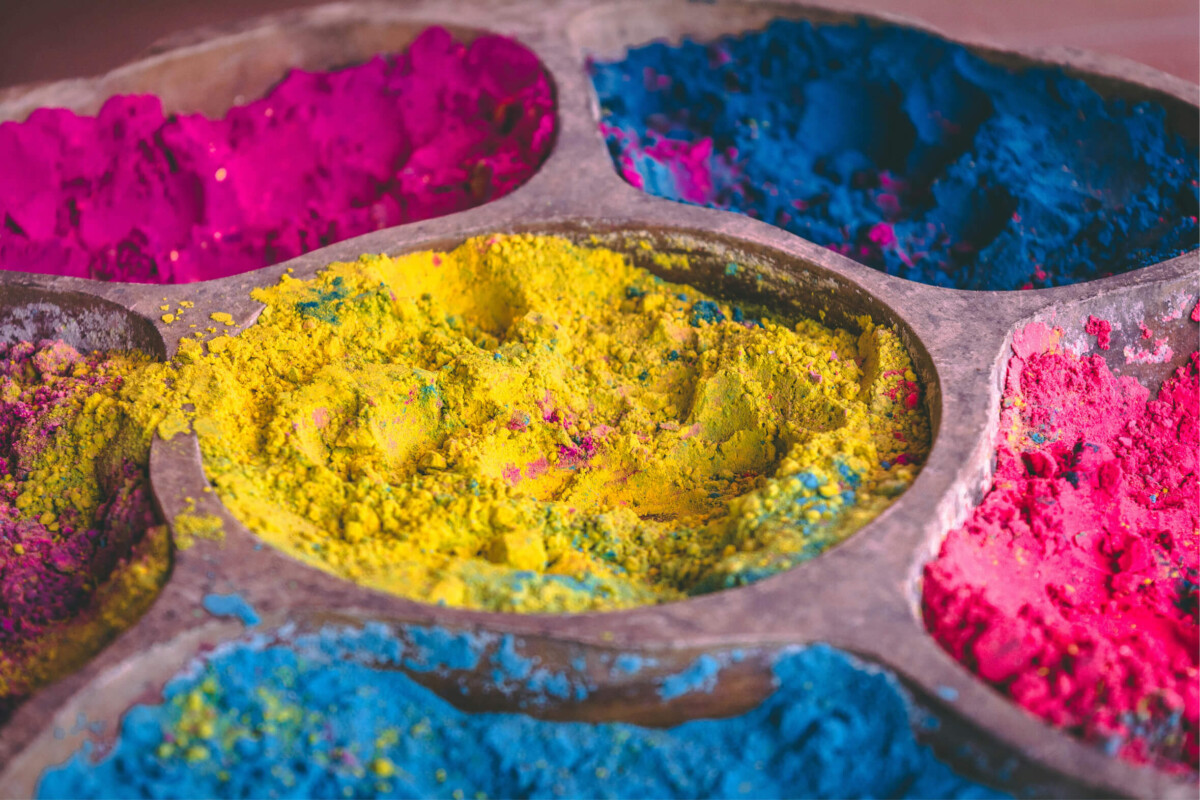
Color plays a powerful role in Holi, symbolizing joy, renewal, and the arrival of spring. As vibrant powders are shared, social boundaries fade, representing unity, equality, and the belief that everyone is the same beneath the color. The celebration becomes a reminder of connection, forgiveness, and fresh beginnings.
Learn More
5 Things to Know about Holi
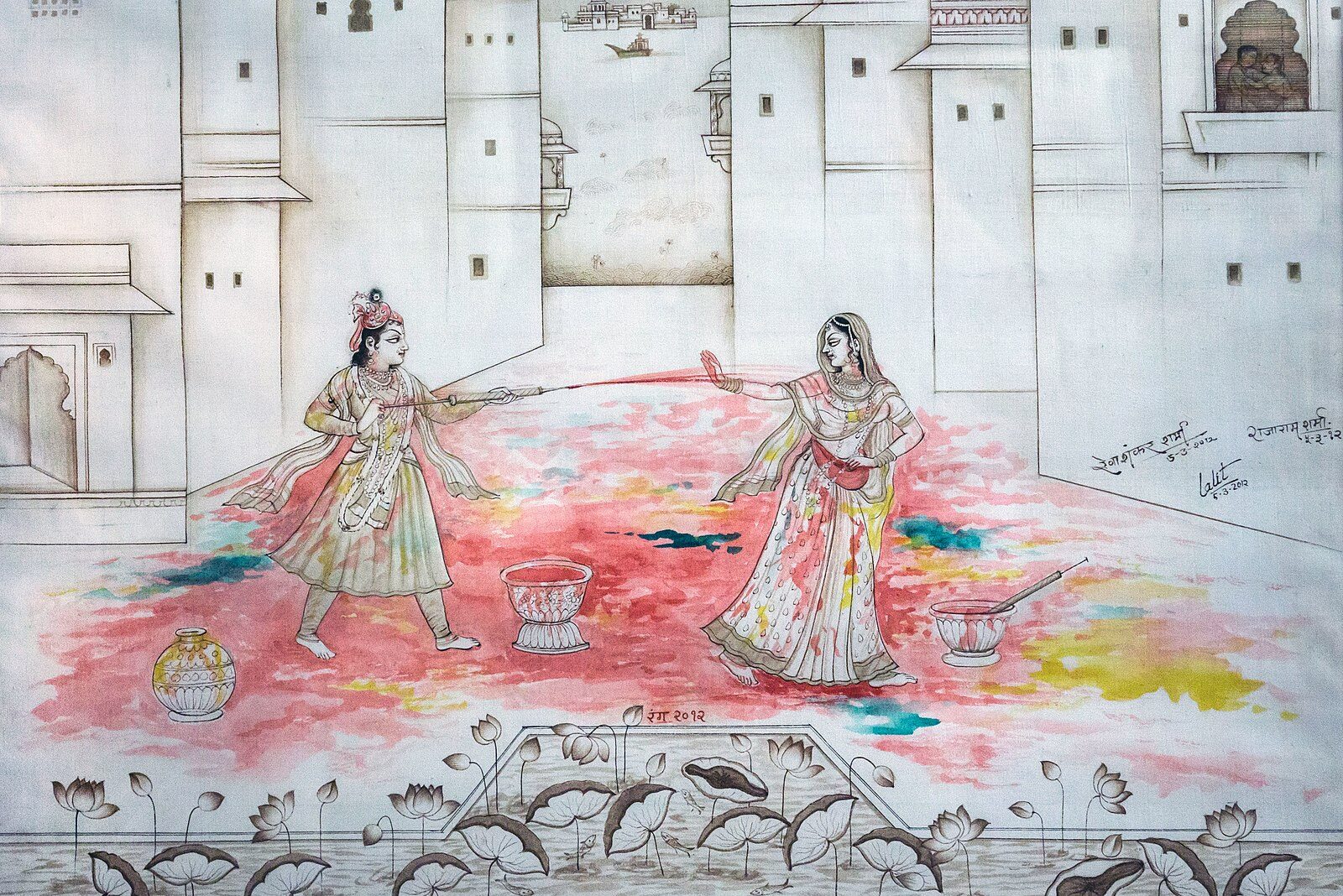
Discover the 5 things that make Holi so much more than just colors: the vibrant hues that fill the streets, the ancient myths that inspire its celebrations, the traditions that connect communities, the lessons of forgiveness and renewal it teaches, and the global celebrations that keep its spirit alive.
Learn More
Get the Holi Toolkit and Activities Packet!
Whether you are bringing it to the classroom or simply want to share the fun with your children at home, our Holi Toolkit provides you with all the materials you need to teach about the Festival of Colors. Additionally, our Activities Packet makes learning about Holi in an interactive and enjoyable way! Just fill out the form and we’ll send it right to your inbox!
Looking for the “Holi Crossword Puzzle” solutions? Click here!

Never miss a Hindu holiday
Check out our Hindu Holiday Guide to learn even more about Diwali and other days of significance to Dharama.
Your go-to guide for traditions, observations, and celebration.
Go to the Hindu Holidays Guide