


1) Holi is known as the “Festival of Colors”
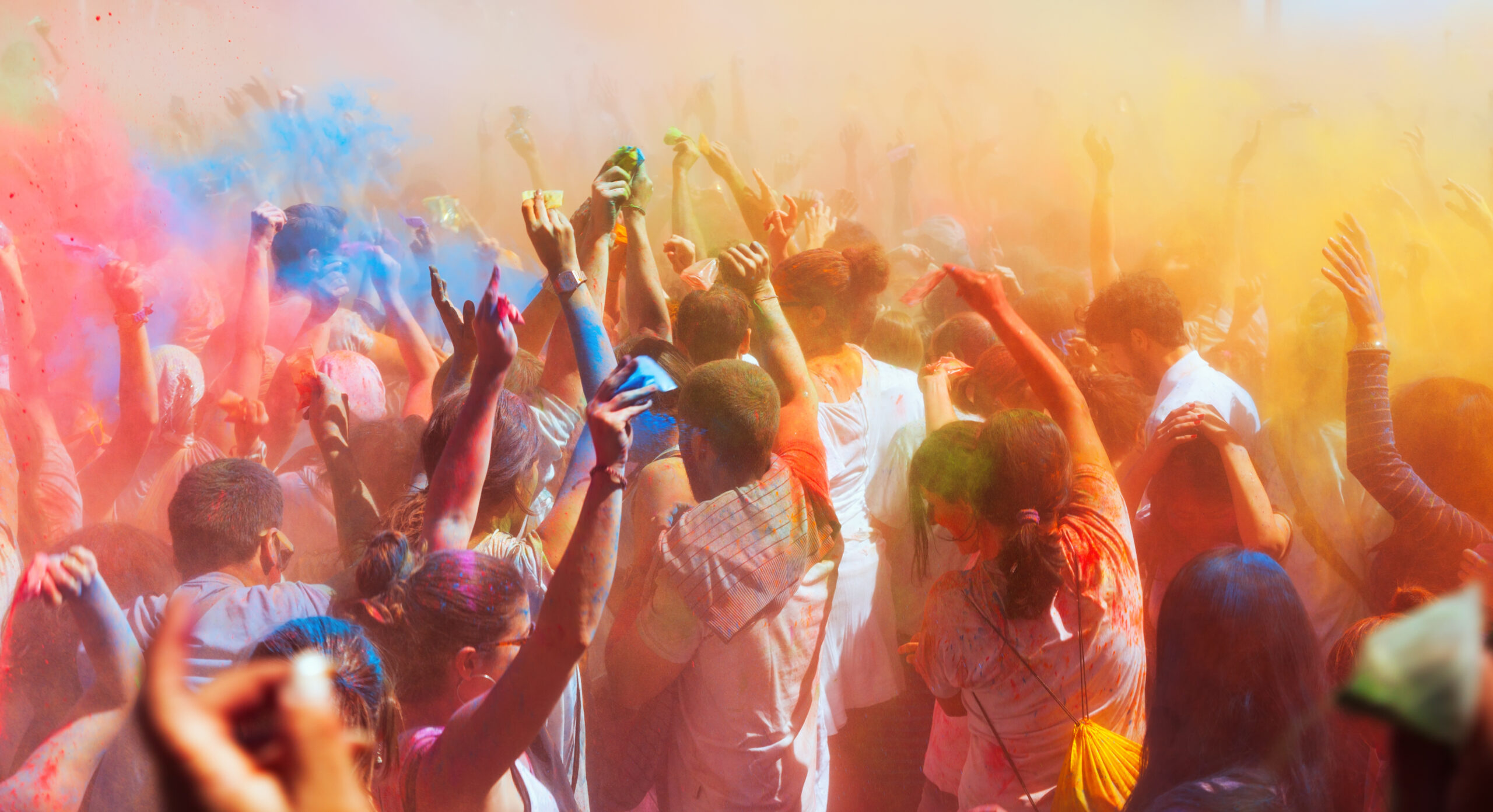
Falling on the purnima (full-moon) of Phalguna (the last month of the Hindu lunar calendar that occurs between February and March), Holi is a Hindu spring festival often referred to as the “Festival of Colors,” as it is best known for the throwing of colored powders and water.
Though Holi originated in India, where it is recognized as a national holiday, its vibrant and joyous mood has made it incredibly popular outside of the country. Thus it’s celebrated throughout the world by people of all nationalities, religions, and backgrounds.
Legends connected to the origin of Holi vary, and while some Hindu communities prefer one story over the other, the messages of goodness, renewal, and love are always the same.

2) Holi commemorates the day Holika failed to kill Prahlad
One of the more popular stories related to Holi centers around the egotistical king Hiranyakashipu and his murderous sister Holika.
Having terrorized and conquered the entire universe, Hiranyakashipu believed himself to be all-powerful, and expected everyone to honor him as if he were the Supreme Being. His five-year-old son Prahlad, however, was a great devotee of Vishnu — someone Hiranyakashipu felt particular disdain towards for having killed his villainous brother Hiranyaksha. When Hiranyakashipu discovered his own son not only venerated Vishnu, but was openly glorifying him to his schoolmates, he hence became enraged.
Unable to curb Prahlad’s devotion to Vishnu, Hiranyakashipu decided to have the boy killed to set an example to the entire kingdom. Yet, despite trying various ways to end Prahlad’s life, Hiranyakashipu failed, for the young prince came out of every deadly situation completely unharmed. Frustrated, Hiranyakashipu eventually asked his sister Holika, who had a power that prevented her from being hurt by fire, to bring Prahlad into a fire pit with her, where he would burn to ashes.
Fully surrendered to Vishnu, Prahlad fearlessly entered the flames, but Vishnu, who is not only known as the protector of the universe but also the protector of his devotees, shielded Prahlad from harm, removing Holika’s power so that she burned instead.
Besides being a reminder of the power of devotion, the story of Prahlad teaches us the potent strength imbued in those who remain humble, kind, and tolerant throughout the many negative situations life inevitably presents.

3) Holi honors the love between Radha and Krishna
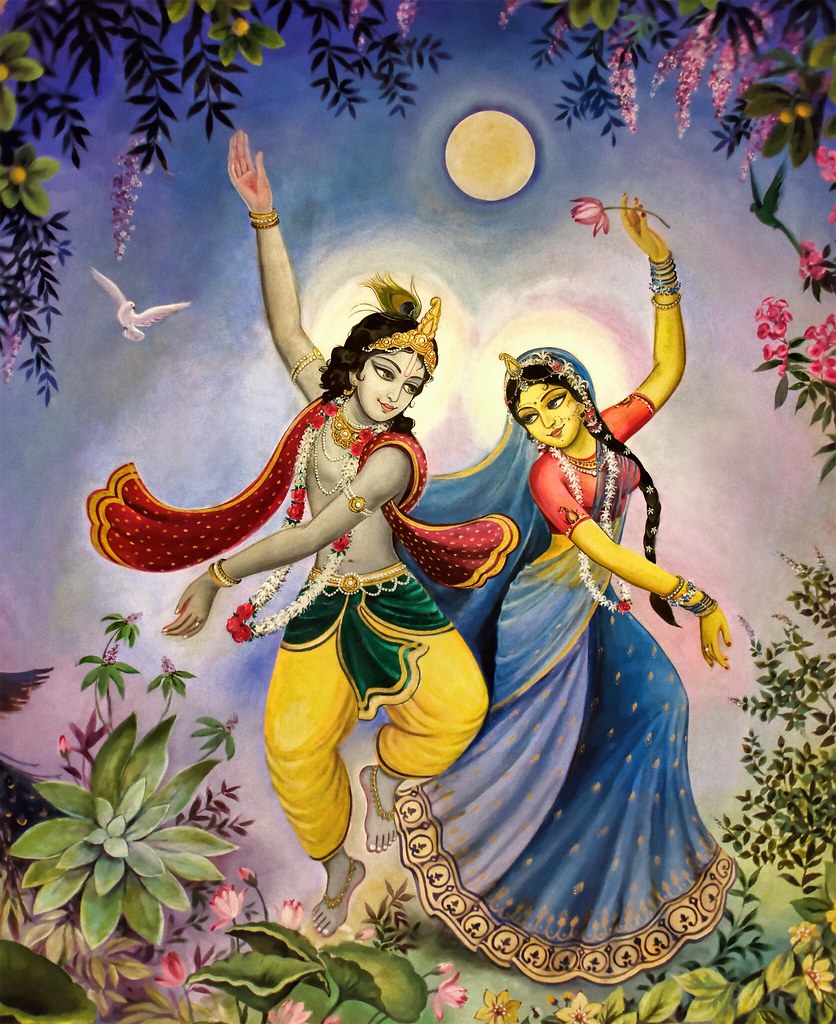
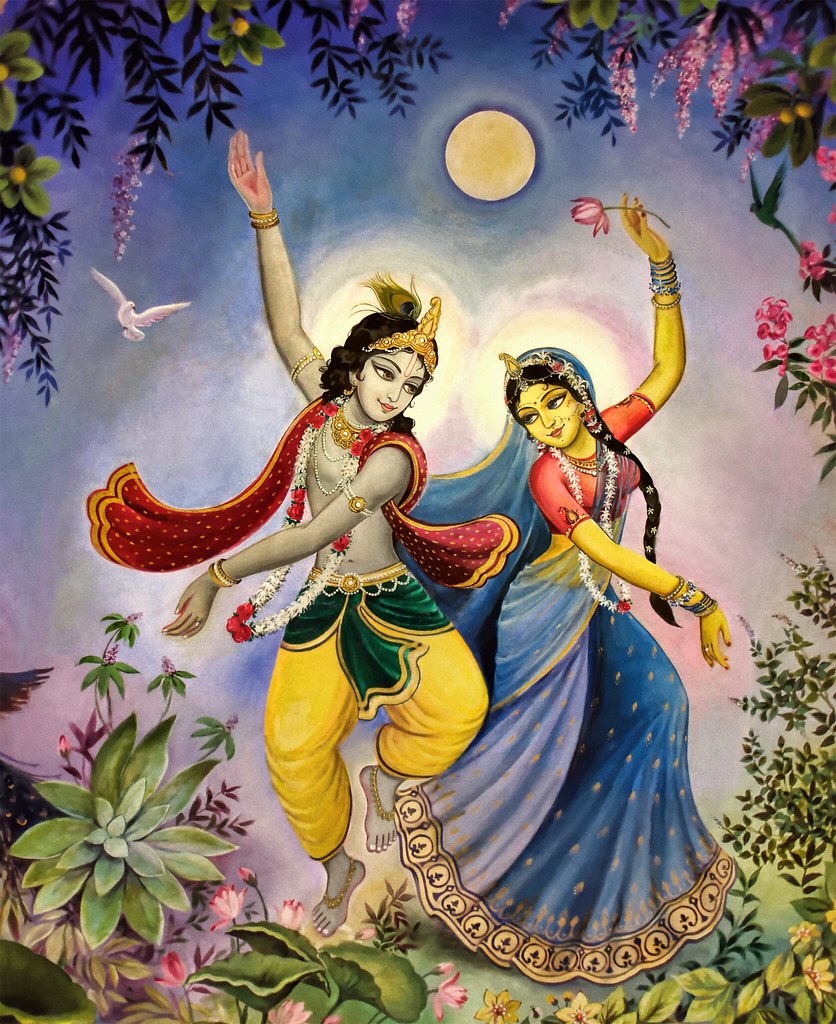
Another popular story connected to Holi involves Radha and Krishna, who together are considered to be the conjoined Supreme Being in Braj Vaishnava traditions, enacting endearing pastimes as young lovers in the region of Braj.
On the day of Holi, one of these pastimes took place when Radha decided she did not want to join in the Holi festivities in her hometown of Barsana. She feared the townsfolk would take up all of her time, preventing her from leaving to celebrate with Krishna. Seeing Krishna dejected at this news, his friends from Gokul and Radha’s friends from Barsana worked together to ensure the two of them could meet in the groves of Vrindavan and return back to their respective towns in time to join the festivities there as well. In doing so, everyone was able to celebrate Holi with Radha and Krishna.
In addition to honoring the divine affection Radha and Krishna have for each other, Holi is meant to remind us of the centrality of love and friendship, and the creative power of working together. Additionally, it teaches us that despite our outward differences, everyone is equal and should be treated as such, which is why the celebration is known also as the “Festival of Love.”
4) Holi marks the beginning of spring harvest
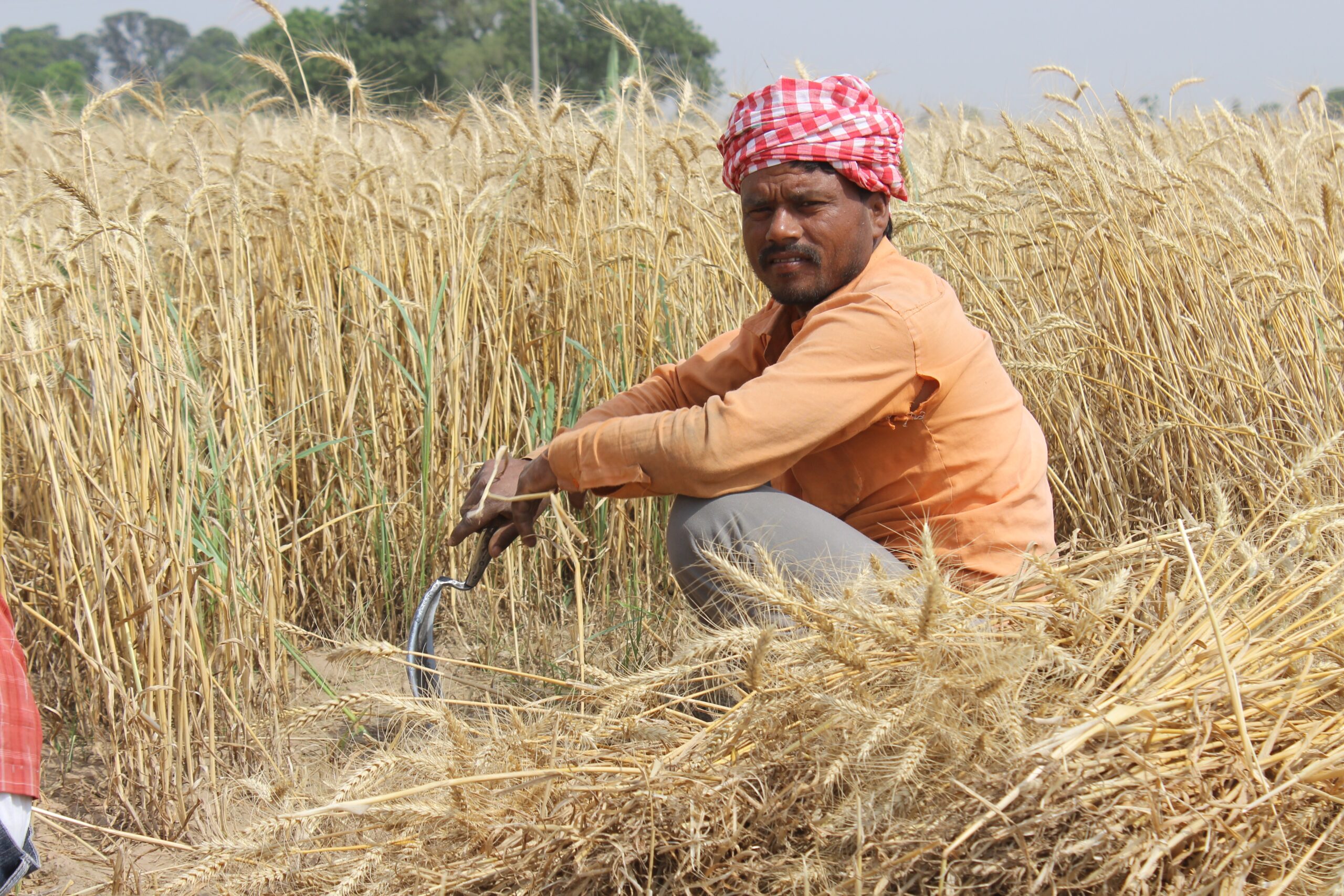
The community aspects of Holi, coupled with the fact that spring is the time many in India harvest wheat, lentils, and other winter crops, cause some people to liken the holiday to the American tradition of Thanksgiving. For others, it aligns more closely with the Jewish observance of Passover, or the Christian festival of Easter, due to the themes of renewal and starting afresh.
On the eve of Holi, it is customary to light a bonfire and roast a special blend of gram, wheat, and other grains as an offering that promotes a feeling of companionship among those who are celebrating. This blend is called holaka, from which the name of the festival derives.
As Holi occurs right before the lunar new year, when the hardships of winter fade and the warmth of spring starts to set in, the holiday is a time for new beginnings, reminding people to shed negative habits of the past and move forward with renewed inspiration.

5) How to celebrate Holi
Depending on regional traditions and where you are in the world, Holi can be a 40-day, eight-day, two-day, or afternoon celebration. The first evening is known as Holika Dahan (“the fire of Holika”) and usually involves a symbolic bonfire where people gather around to sing and dance in hopes of overcoming negative energy by making a conscious effort to let go of bad thoughts and actions from the previous year.
And on the next day, people of all ages wear white and throw gulal (colored powder) and/or colored water at one another. In the evening, everyone gets together with their friends and family to enjoy festive food, sweets, and company, as lively music creates a fun-filled atmosphere.
The most well-known aspect of Holi — the throwing of colors — has been commercialized over the years in popular marathon events like Color Run. Holi is ultimately a festival meant to bring people of all backgrounds together in love and appreciation and is in no way a celebration only for Hindu participation. But when key elements of the festival are presented without acknowledging Hinduism, India, or the stories connected to Holi, the essence of the event often gets lost as an ancient spiritual tradition becomes culturally appropriated.
There are no formalities with Holi, and everyone is encouraged to take part in the celebration, but like any Hindu holiday, you can enhance your experience by participating with an understanding of that holiday’s origin and ultimate divine purpose.
Much of the information in this piece came from an HAF’s educational Holi toolkit. Click here to check it out.