

Blue/Violet/Indigo

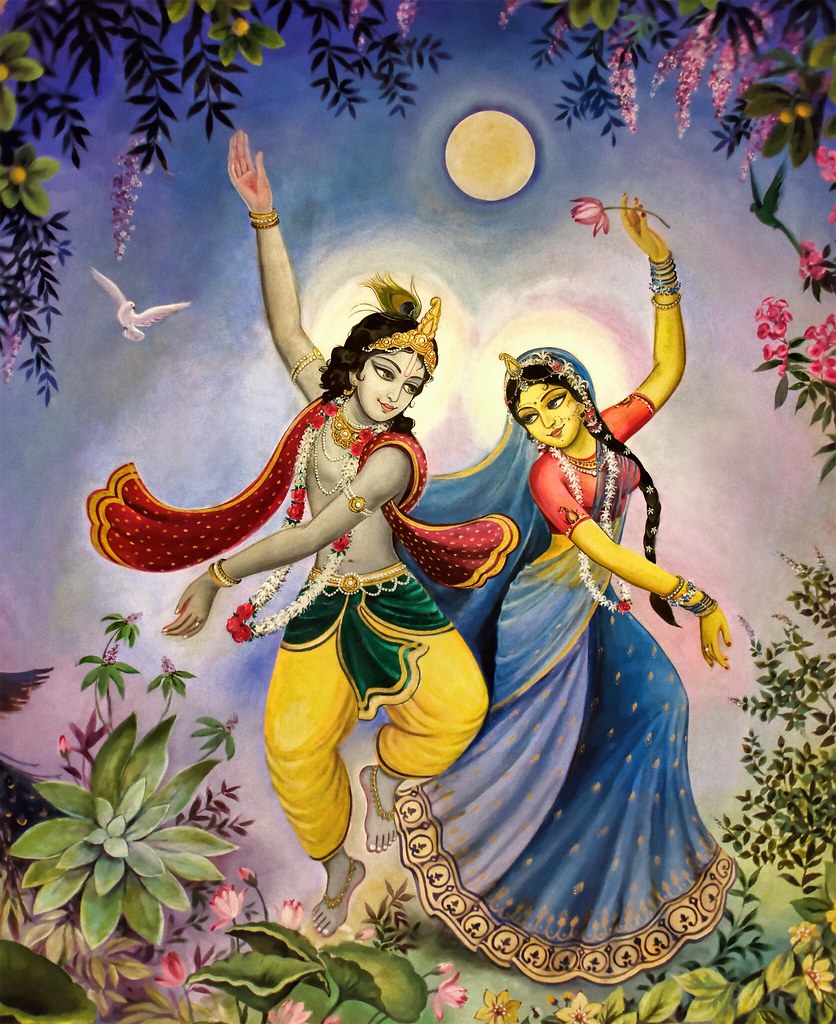
Blue is seen as the color of bībhatsa rasa, the emotion of aversion and apathy – a signal that sometimes we have to let our passions simmer in order to see clearly. Deep blue is also the color of the maṇipūra chakra which is a center of confidence. Bhagavān Viṣṇu is also traditionally meditated upon as a deep, dark yet luminous blue, enchantingly beautiful to behold. The color of the sky and of the sea, blue represents depth and cosmic order. The guardian of the waters, Varuṇa, shows Hindus that just like water cycles from rain into streams, into rivers, into the sea, and changing into vapor to form clouds and start raining again, so too, all beings go through numerous repetitive cycles in their lives.
Red

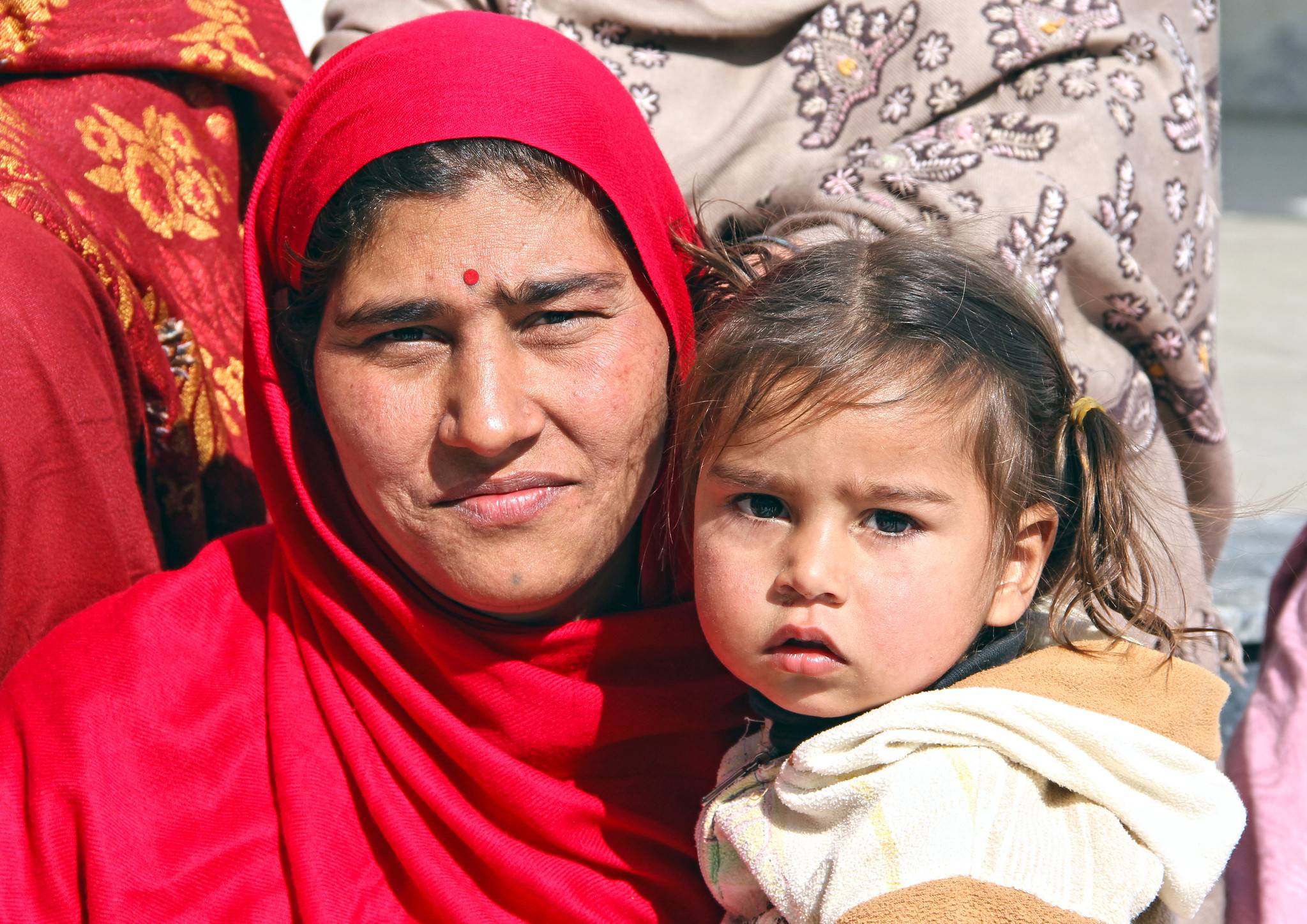
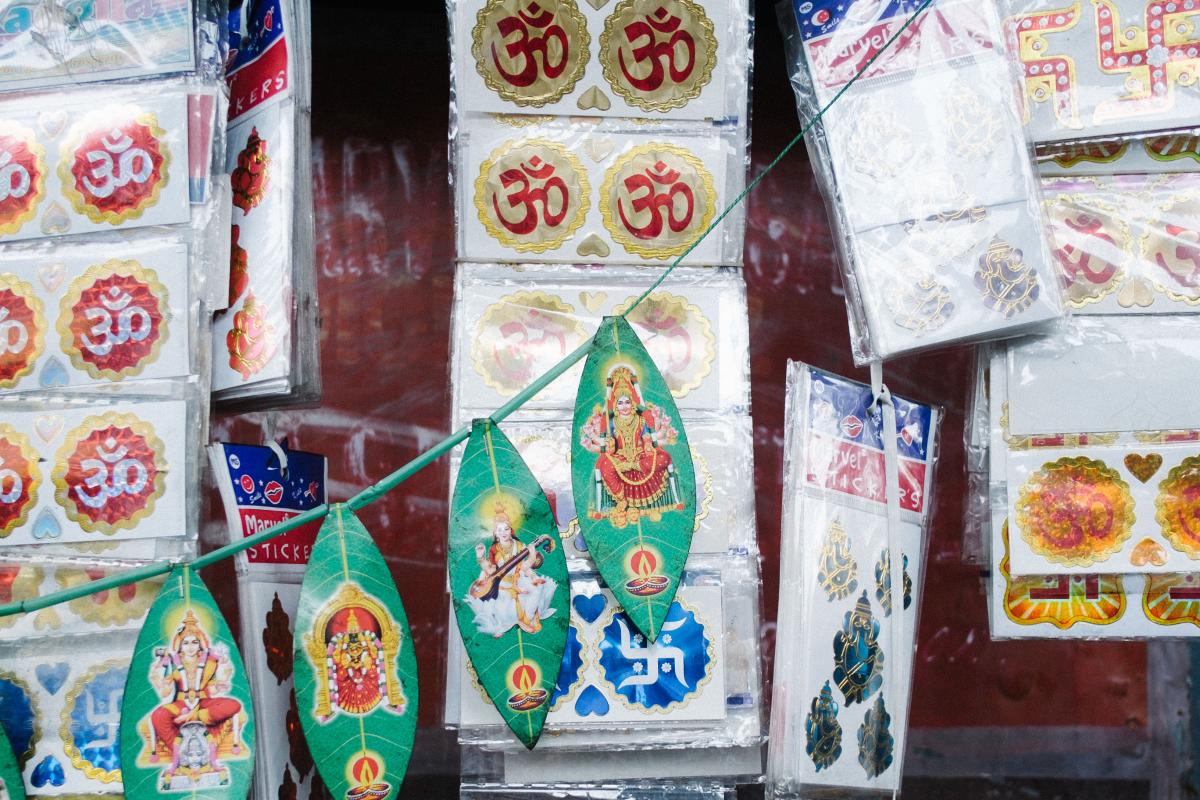
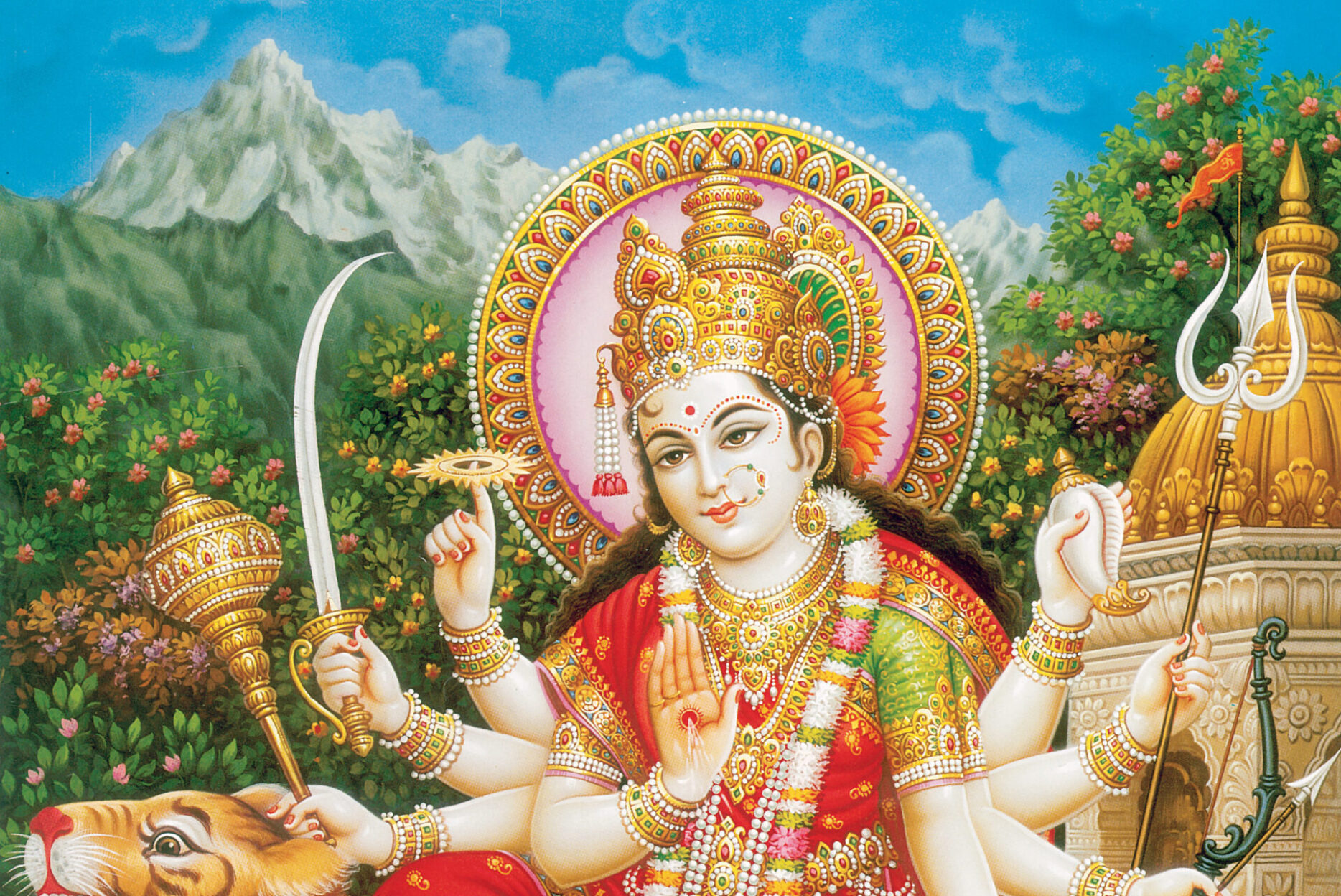
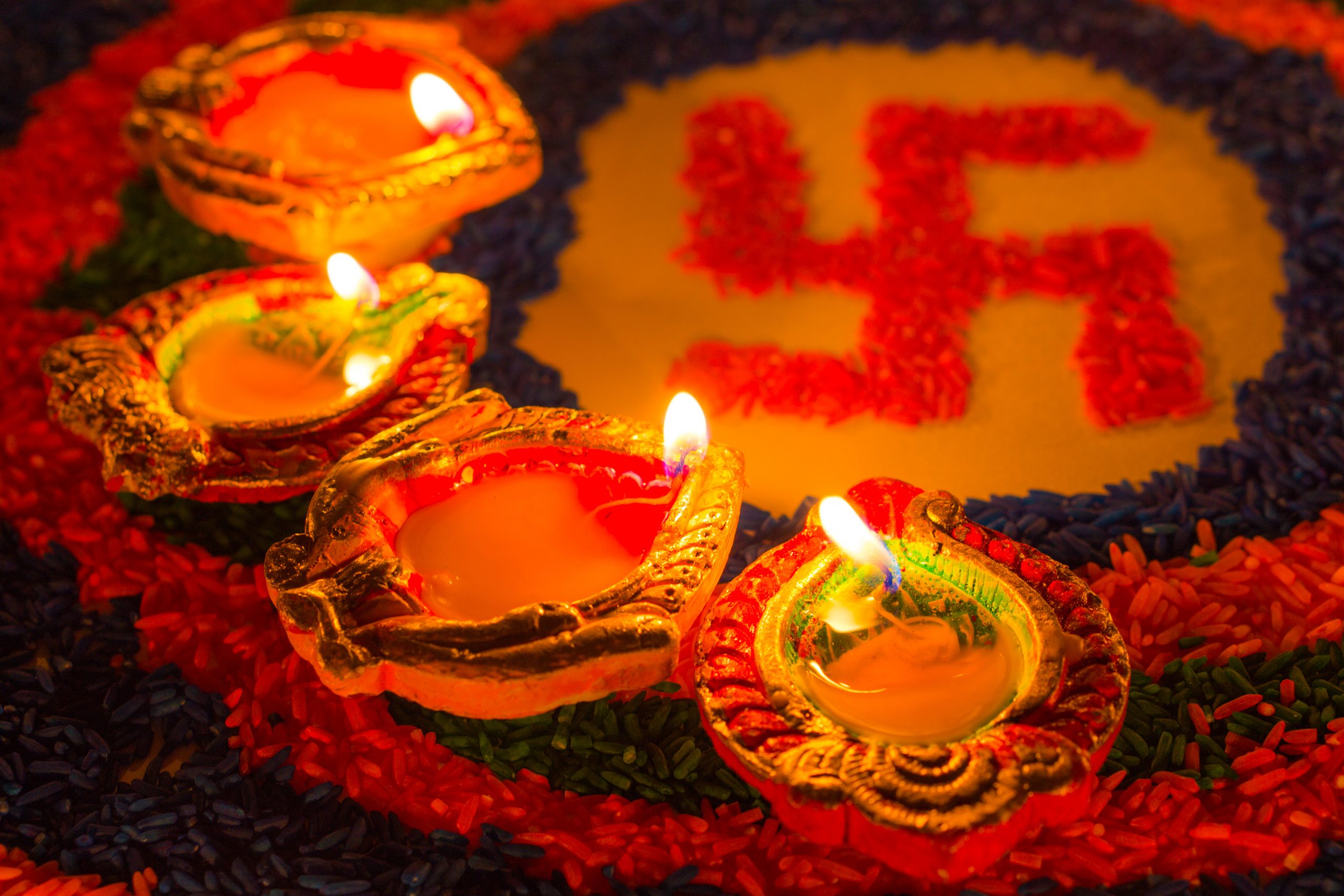
Red is the color of rajōguṇa, the quality of creative energy, passion, activity, dynamism, and desire. Red is also the color of raudra rasa, the emotion of anger or fury. A dark coppery red is the traditional color associated with Sūrya (the Sun) in astrology, whereas a bright blood-red is the color of Maṅgala (Mars). Red is also the primary color of the mūlādhāra, svādhiṣṭhāna, and anāhata Chakras. Red is also the color of the fire element. The Kuṇḍalinī Śakti is usually meditated upon as red in color. Red is associated with power, potency, auspiciousness, fertility, and prosperity, which is why it is the color of choice for many ceremonial markings, flags, and other sacred objects.
Orange (Saffron)

Orange, specifically ochre/saffron, is a traditional color worn by people who have renounced worldly life, and dedicated themselves to full-time spiritual pursuit. It represents fire/energy and burning away negative tendencies.
Yellow

Yellow is the color of adbhuta rasa, the emotions of amazement, awe, wonder, and astonishment. Yellow is also the color of Bṛhaspati (Jupiter) in astrology, and of Pṛthvī tattva, the Earth element. It is the traditional color of springtime, newness, and spiritual progress.
Golden

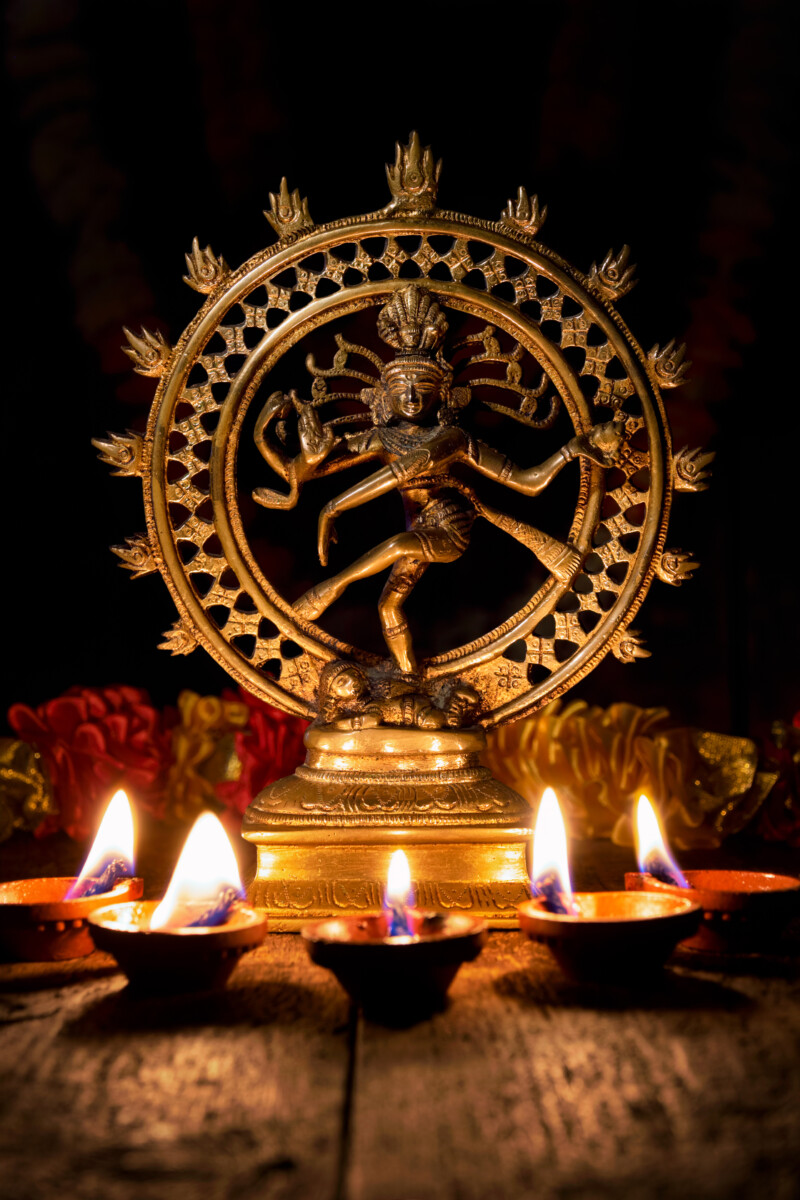
Gold is the color of vīra rasa, the emotions of heroism, courage, valor, strength, and enthusiasm. It also represents prosperity, wealth, and success. Hindus see the golden color as a reminder of the need to balance material wealth with spiritual wealth.
Green

Green is the color of Budha (Mercury) in astrology, associated with intelligence and speech.
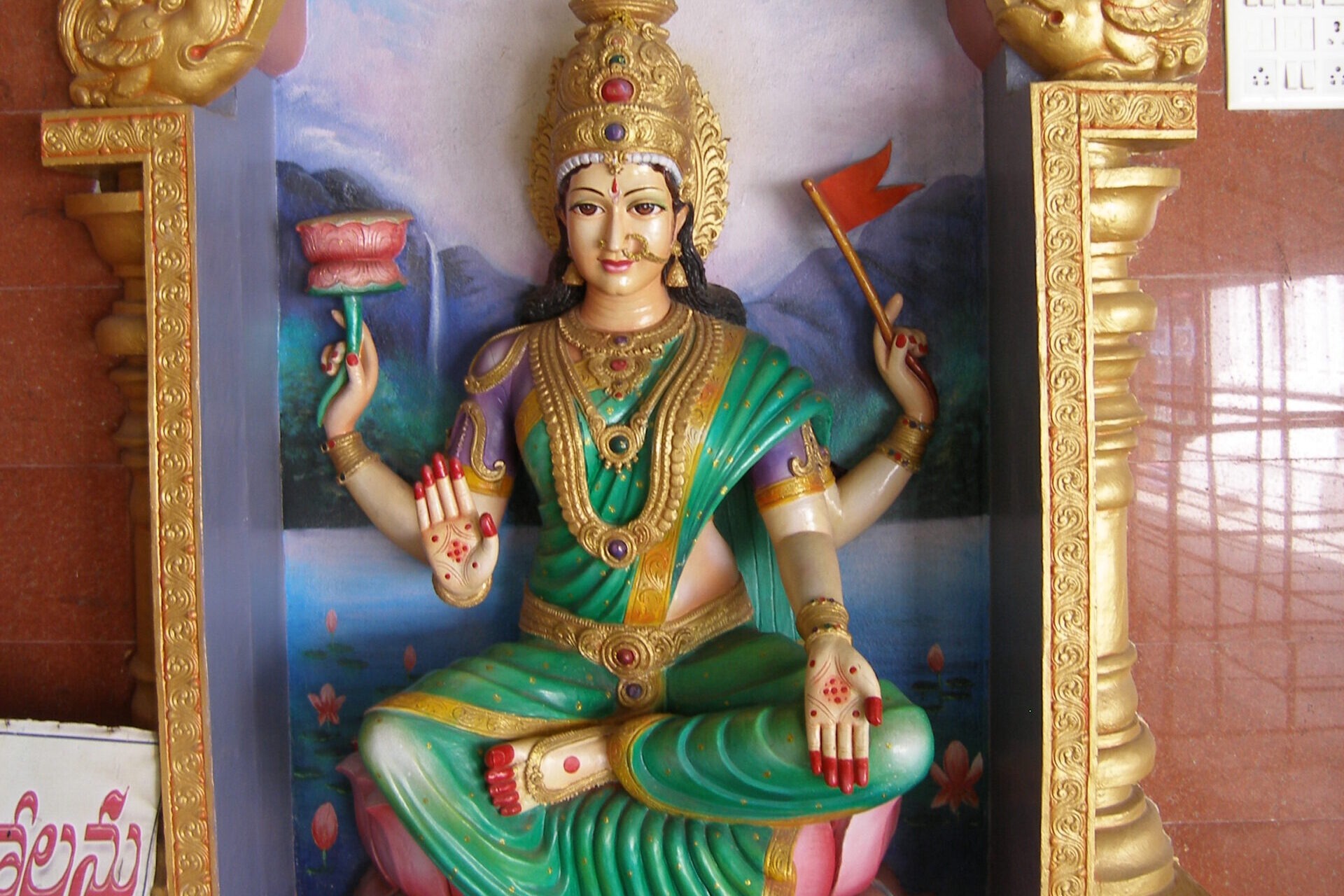
It is also the color of mother Earth, especially vegetation. It represents verdance, abundance, and health. In many Hindu ceremonies, there is an abundance of green—from the medicinal herbs and leaves, to the beautiful bamboo and banana plants. It reminds us we are part of the global ecosystem, and we should aspire to be responsible children of mother Earth.
White

White is the color of sattvaguṇa, the quality of clarity of consciousness and insight, knowledge, serenity, balance, and cleanliness. White is also the color of hāsya rasa, the emotion of humor or comedy. Śānta rasa, the emotion of peace and calm, is the color produced when there is no agitation, like the pale white translucent light of the autumnal moon – the source of all colors, in an unagitated state. White is, of course, the color of the moon in Jyotiṣa (astrology), while a variegated white, like the many colors sparkling from a brilliant white diamond, is the color of Venus. White is also the primary color of the ājñā chakra, representing the shining glory of meditation and pure consciousness.
Black

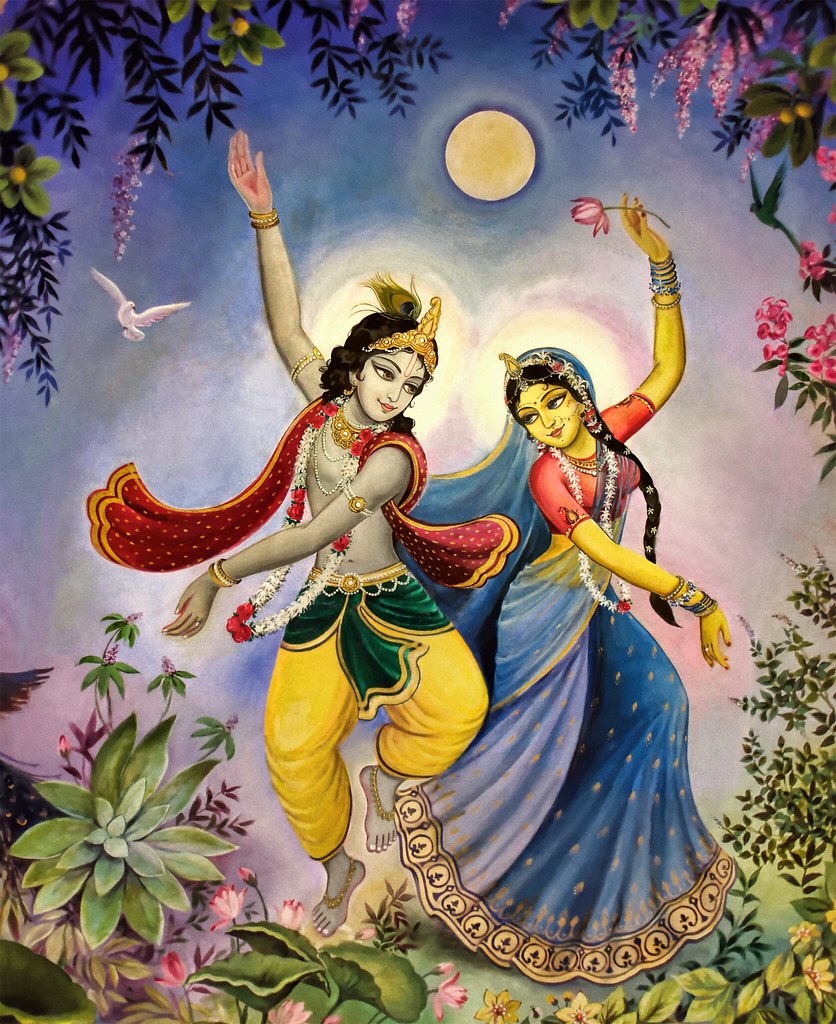
Black is the color of tamoguṇa, associated with solidity, stillness, sleep, stability, and structure. Black is also the color of Śani Deva (Saturn) and Rāhu in astrology. Black is also the color of bhayānaka rasa, the emotion of fear. But Śyāma, black with blue/green/gray/brown tones, is the color of śṛṅgāra rasa, the feeling of romantic love, attraction, and beauty. It is also the color of heavy rain clouds, traditionally a beloved sight since it promises flourishing of crops.
The color black also holds different significance based on specific Hindu teachings and ceremonies. In some contexts, black is seen as a symbol of mysteriousness and can be associated with secrets. In other contexts, black protects against malevolent spirits and energy. Many Hindus place a small black dot behind the ear or on the chin as a symbolic form of protection.
Brown/Gray

A brownish-gray, like the color of doves or of smoke, is the color of karuṇā rasa, compassion. It is also the color of the viśuddha chakra, governing self-expression and clear communication. Gray is the color of Ketu in Jyotiṣa (astrology). This colour reminds us to foreground compassion and kindness, and seek clarity of mind, heart, and words.