

Under the United Nations Genocide Convention, genocide is defined as: “acts committed with intent to destroy, in whole or in part, a national, ethnical, racial or religious group.”
Key Takeaways
- Remembering those lost and celebrating the survivors of the 1971 Bengali Hindu genocide is an important step in creating peace and securing justice for the disenfranchised communities in Bangladesh and Pakistan.
- Recognizing genocides of the past are essential to preventing violence now and in the future.
- By acknowledging the prejudices that have led to genocide and other forms of physical and systemic violence we are able to strengthen the ability of institutions to address inequalities and bias.

On March 25, 1971, the Pakistan military began a 10-month campaign of genocide against the ethnic Bengali and Hindu religious communities in East Pakistan, a clear example of the facets of genocide as defined the United Nations Genocide Convention. This spurred the 10-month Bangladesh Liberation War and later the 13 day Indo-Pakistan war. Both ended on December 16, 1971 with the surrender of Pakistan.
In the eyes of the Pakistani military, Hindu, Bengali, and Indian identities were one and the same. Although Hindus were a special target of the Pakistan military, Bengali Muslim, Christian, Buddhist, and other religious groups were also significantly affected. By the end of the first month in March 1971, 1.5 million Bengalis were displaced. By November 1971, 10 million Bengalis, the majority of whom were Hindu, had fled to India.
Although precise figures are difficult to obtain, approximately 3 million people were killed and at least 200,000 women were raped. Bangladeshi journalist and policy analyst Anushay Hossain asserts, “many experts put that number closer to 400,000 women and girls who were raped, mass-raped, [and] imprisoned for months in notorious rape camps.”
Watch the March 2021 Commemoration Event:
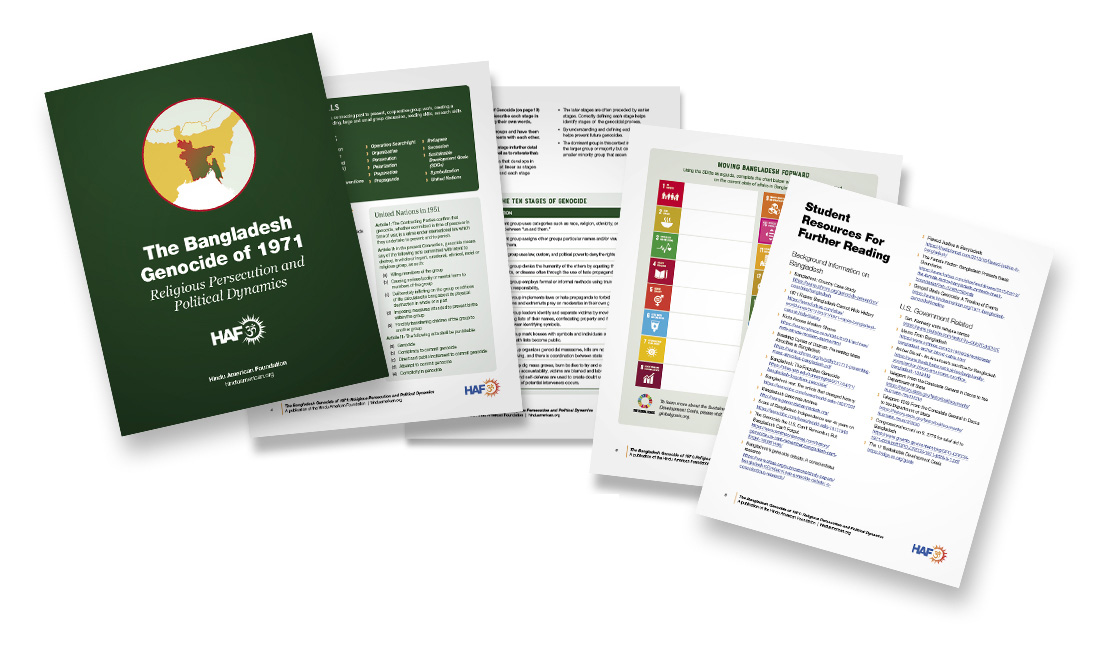
Education Toolkit
Geared towards high school World Geography, World History and International Relations courses, the goal of this toolkit is to assist teachers in helping students understand the complexities of the Bengali Hindu genocide and how they can take action in raising awareness.
1971 Bengali Hindu Genocide Digital Archive: Preserve Your Story
For individuals and families affected by the 1971 Bengali Hindu Genocide to honor the lost, celebrate survivors, and share their memories. Please upload documents, photos, and share your stories from 1971. Your stories may be used in websites, social media posts, and presentations to raise awareness about the Bengali Hindu genocide.
Commemorative Art Project: Remember the Lost, Celebrate Survivors
The magnitude of the 10 million displaced, approximately 3 million killed, and 200,000-400,000 raped is difficult to comprehend with numbers, but can become real to us through meaningful art. Submissions celebrating survivors or remembering the lost could be featured in an event, website, social media, or another format.
Learn more about the 1971 Bengali Hindu Genocide
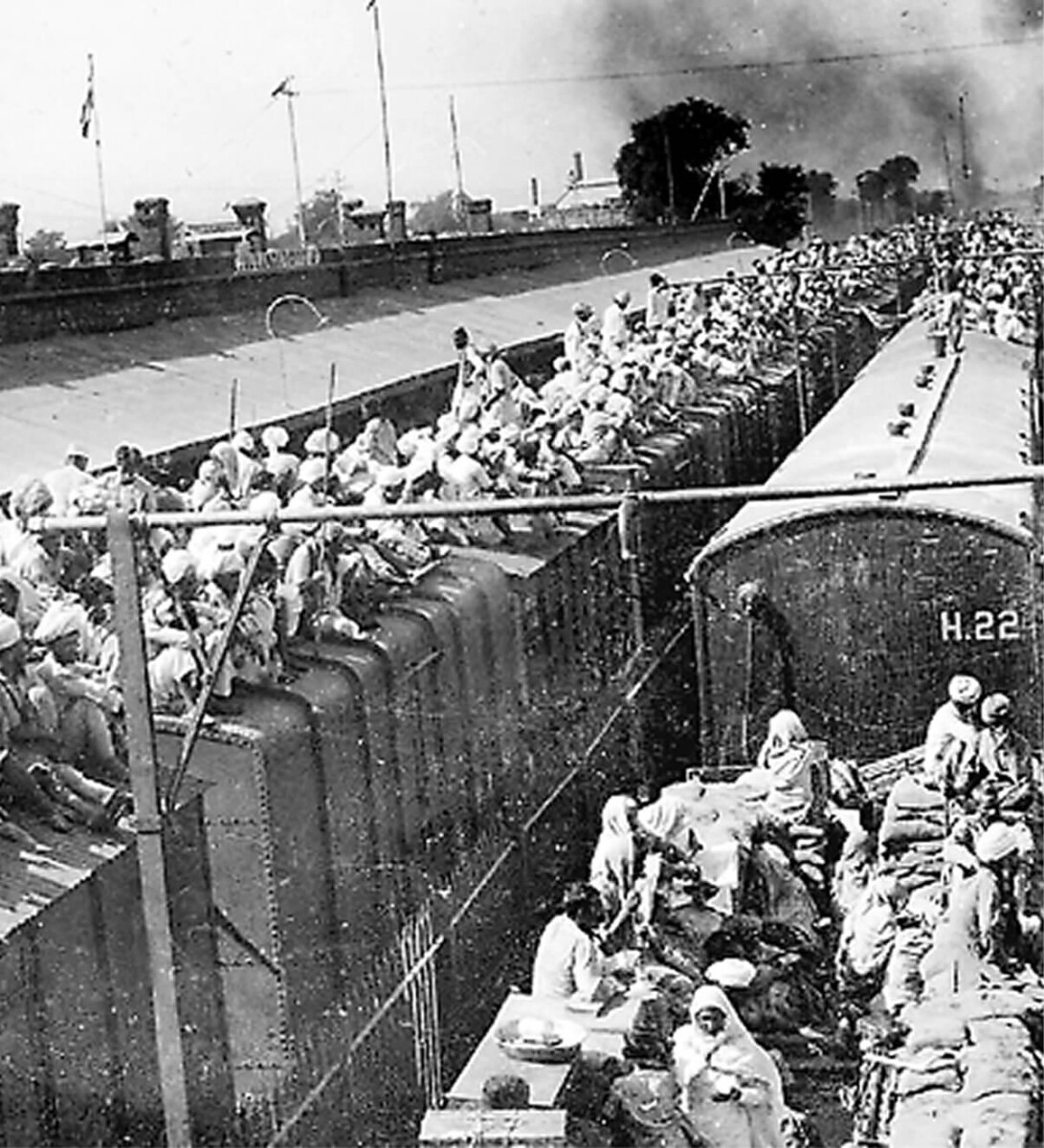
OVERVIEW OF EVENTS IN 1971
Bangladesh’s (formerly East Pakistan) independence from Pakistan in 1971 was the culmination of several long standing factors, including linguistic and cultural repression, economic marginalization, political disenfranchisement, and a quest for greater provincial autonomy.
The West Pakistani military and civilian elite sought to create a cohesive polity unified by Islam and the Urdu language. In the process, they suppressed the Bengali culture and language, which was viewed as closely linked to Hinduism and therefore, a threat to their conception of an Islamic nation.
The Bangladeshi independence movement in 1971 was met with a brutal genocidal campaign of violence by the Pakistani army and local Islamist militias. The conflict resulted in the massacre of an estimated three million East Pakistani citizens, the ethnic cleansing of 10 million ethnic Bengalis who fled to India, and the rape of at least 200,000 women (some estimates put the number of rape victims at closer to 400,000). Hindus were the special targets of this violence, as documented by official government correspondence and documents from the United States, Pakistan, and India. However all Bengalis, regardless of religious identity were targeted. The Pakistan military’s conflation of Hindu, Bengali, and Indian identities meant that all Bengalis (the majority of people in Bangladesh) were suspect. A Bengali identity assumed a Hindu identity, which in turn assumed Indian Identity.
American Consul-General and the senior US diplomat in Dhaka at the time, Archer Blood, repeatedly warned government officials in Washington about the violence and the selective targeting of Hindus:
“Genocide’ applies fully to naked, calculated and widespread selection of Hindus for special treatment…From outset various members of American community have witnessed either burning down of Hindu villages, Hindu enclaves in Dacca and shooting of Hindus attempting [to] escape carnage, or have witnessed after-effects which [are] visible throughout Dacca today…
Blood further noted that the Pakistani military was engaged in the “mass killing of unarmed civilians, the systematic elimination of the intelligentsia and the annihilation of the Hindu population.”
Despite this assessment, the Nixon Administration continued to support the Pakistani regime.
Subsequent to the war, a report from the International Commission of Jurists (ICJ) found that the Pakistani army massacred civilians and attempted to exterminate or drive out the Hindu population. The ICJ indicated that there was “a strong prima facie case that criminal offences were committed in international law, namely war crimes and crimes against humanity under the law relating to armed conflict, breaches of Article 3 of the Geneva Conventions 1949, and acts of genocide under the Genocide Convention 1949 [1948].” Similarly, senior Pakistani military officers admitted to selectively targeting Hindus during a Pakistani postwar judicial inquiry.
During the war, Biharis native to Bangladesh enlisted as razakars, a paramilitary volunteer force of the Pakistani Army. After the war, many Biharis were targeted and killed by Bengali mobs.
The war, along with other factors, including the increased power of radical groups, has led to a precipitous decline in the Hindu population in what is now Bangladesh. Specifically, the Hindu population has steadily declined from 31% in 1947 to 19% in 1961 and 14% in 1974, to less than 9% today.
Dr. Abul Barkat of Dhaka University projects that Hindus will be nonexistent in Bangladesh in three decades if their population continues to decline and leave the country at the current rate. According to Dr. Barkat, 11.3 million Hindus fled Bangladesh on account of religious persecution between 1964 and 2013. This amounted to 632 Hindus per day and 230,612 leaving the country every year.
FURTHER READING
HAF Blogs on the Genocide
- 50 years after genocide, Bangladesh’s promise of pluralism remains unfulfilled by Syama Allard
-
We must break the silence on the Bengali Hindu genocide by Deepali Kulkarni
- The Concert for Bangladesh by Syama Allard
Books on the Genocide
- The Blood Telegram, by Gary Bass
- My People Uprooted: A Saga of the Hindus of Eastern Pakistan, by Tathagata Roy
Articles and Documents on the Genocide
- A Critique of the United Nations Inaction in the Bangladesh Crisis, Denver Law Review
- Hindus Are Targets of Army Terror in an East Pakistani Town, The New York Times
- Bangladesh war: The article that changed history,
- 1971 Rapes: Bangladesh Cannot Hide History, Forbes
- Bangladesh: The Forgotten Genocide, UAB Institute for Human Rights
- The Genocide the US Can’t Remember, But Bangladesh Can’t Forget, Smithsonian Magazine
- International Crimes Tribunal, Bangladesh
- The Persecution of Hindus in Bangladesh Feels Scarily Familiar, Vice
- Telegram from the Consulate General in Dacca to the Department of State, April 6, 1971, U.S. Office of the Historian
- Tragic events of 1971: Hamoodur Rahman Commission Report, republished in The Daily Star
- The Politics of Bangladesh’s Genocide Debate, The New York Times
- The Bangladesh Genocide in Comparative Perspective, Liberation War Museum
Podcasts
Rukhsana Hasib shares her first-hand experience of the genocide
Forgotten Atrocities Against Bangladeshi Hindus
Bengali Hindus Remember The Atrocities Of 1971
The Bengali Hindu Genocide
Reporting From 1971
News Report on Refugees from 1971 – Associated Press Archive
Prime Minister Indira Gandhi on Liberating Bangladesh from Pakistan – Indian National Congress
Edward Kennedy Visits Refugee Camps
Documentaries
War Crimes 1971 – South Asian People’s Union Against Fundamentalism and Communism
Liberation War of 1971 – Genocide of the Hindu Minority of East Pakistan – Stories of Bengali Hindus
Current Issues in Bangladesh
Overview of the Current Situation
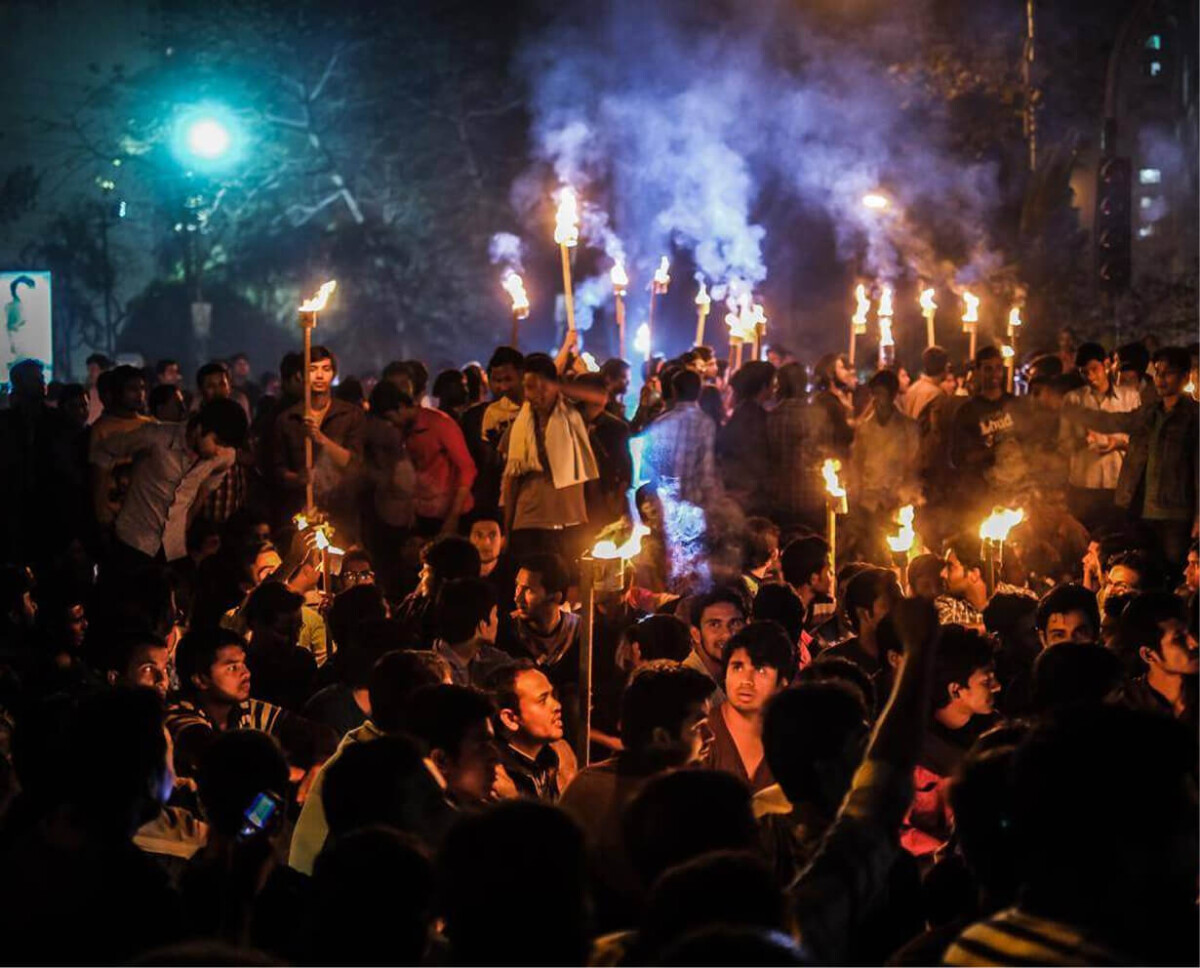
Jamaat-e-Islami (JeI) and Hefazat-e-Islam (Hel) wield tremendous power through their extensive grassroots networks and exert disproportionate influence over the country’s political, social, legal, and religious affairs. Jamaat-e-Islami being deregistered as a political party is mentioned in the country report, but the report does not explain why. JeI, along with its student wing, Islami Chhatra Shibir (ICS), strive to create an Islamic state in Bangladesh, as explicitly laid out in its charter. JeI and ICS were responsible for committing genocide against the country’s Hindu population in the 1971 War of Independence and since then have consistently utilized violent tactics to achieve their religio-political goals, including bombings, political assassinations and targeted killings, attacks on security personnel, and mass violence against minorities and atheists. Moreover, Bangladesh Prime Minister Sheikh Hasina has identified Jamaat-e-Islami and Hefazat-e-Islam as the responsible parties for orchestrating violence and arson during protests against Prime Minister Narendra Modi’s visit to the country in 2021. This is in addition to the repeated, orchestrated attacks by Hefazat-e-Islam on Hindu places of worship, villages, and homes.
Further Reading
Articles and Reports
- The Hindu as Other: State, Law, and Land Relations in Contemporary Bangladesh, South Asia Multidisciplinary Academic Journal
- Under threat: The challenges facing religious minorities in Bangladesh, Minority Rights Group International
- How Hefazat-e-Islami has become Sheikh Hasina govt’s Frankenstein in Bangladesh, The Print
- A Bleak Future for Bangladesh Hindu’s, Hinduism Today
- Hefajat followers attack, vandalise Hindu houses in Sunamganj: police, The Daily Star
- Hardline Islamist group’s followers attack Hindu homes in Bangladesh, Times of India
HAF Statements & Blogs
- Bangladesh’s 1971 genocide still echoes today
- Urge Bangladesh government to protect religious minorities, HAF writes to Modi
- Hindu village attack in Bangladesh shows lack of government protection for religious minorities
-
Diminishing Hindu Population in Bangladesh From the Perspective of Ethnic Cleaning
-
2015 Resolution on Bangladesh mourns 1971 war crimes victims
- Bangladesh’s battle to reclaim its secular roots
- Fighting Foreign Terrorism: Jamaat-e-Islami and Bangladesh’s inner turmoil
- HAF letter to State Department urges condemnation of Hindu persecution in Bangladesh
- HAF joins over 35 international NGOs calling for justice for Bangladesh human rights lawyer Rabindra Ghosh
- Hindu priest’s murder, Dhaka cafe shooting, latest in shocking attacks in Bangladesh
Podcasts
Dr Richard Benkin shares his work speaking up for Bangladeshi refugees
Middle East Forum speaks with HAF about the rise of Islamism
Recent Reports and Documentaries
Hindu Rohingya Refugees in Bangladesh – Al Jazeera
Islamism in Bangladesh – DW Documentary
Unknown assailants hack a Hindu holy man to death – AP Archive
HAF’s 1971 Bengali Hindu Genocide work is done with the support of Bangladesh Hindu Buddhist Christian Unity Council USA, ISPaD Project, Human Rights Congress for Bangladesh Minorities and Stories of Bengali Hindus.


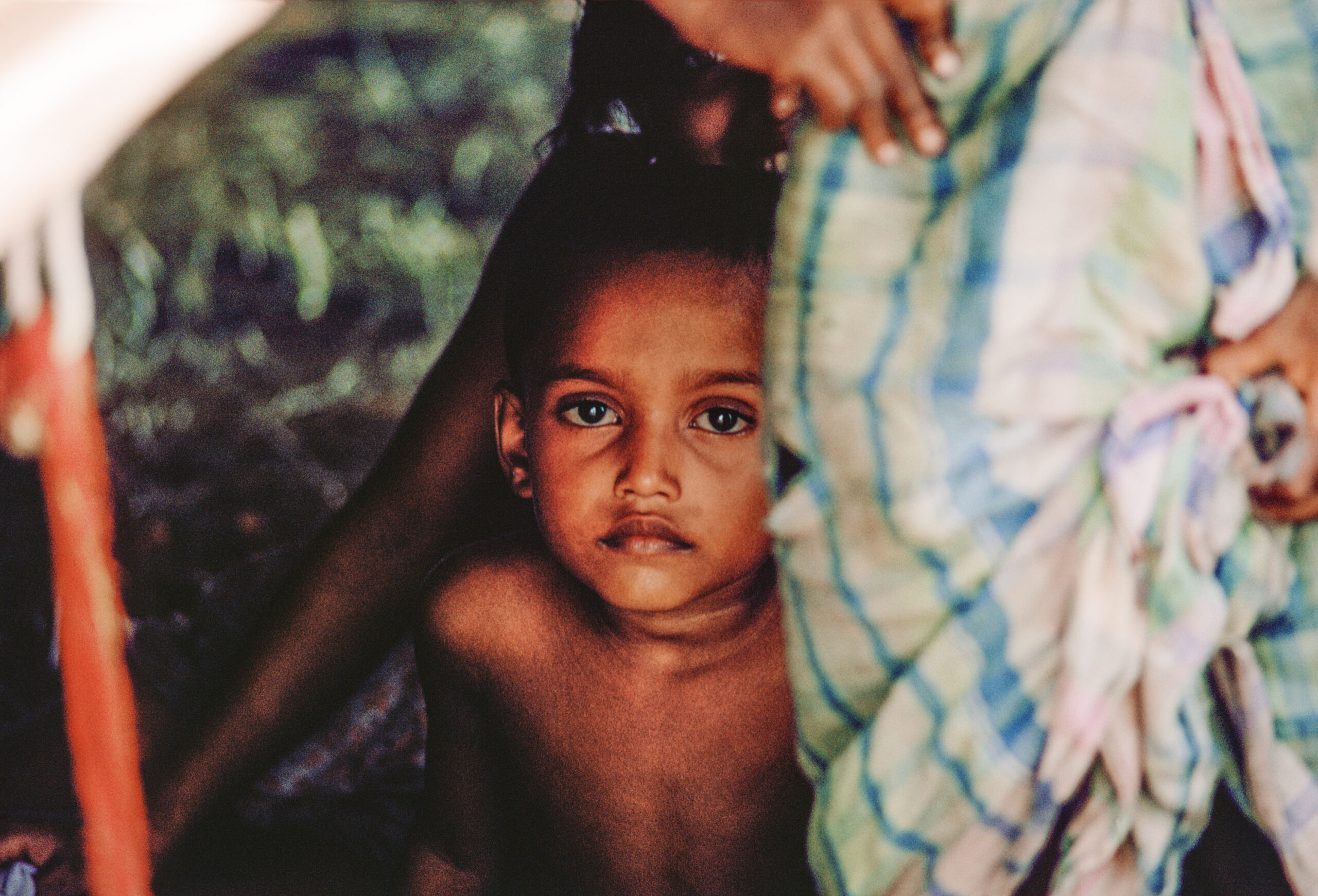
Top banner image: Photo by David Hume Kennerly/Getty Images.