

Reflections on out-of-the-box celebrations of a Hindu festival
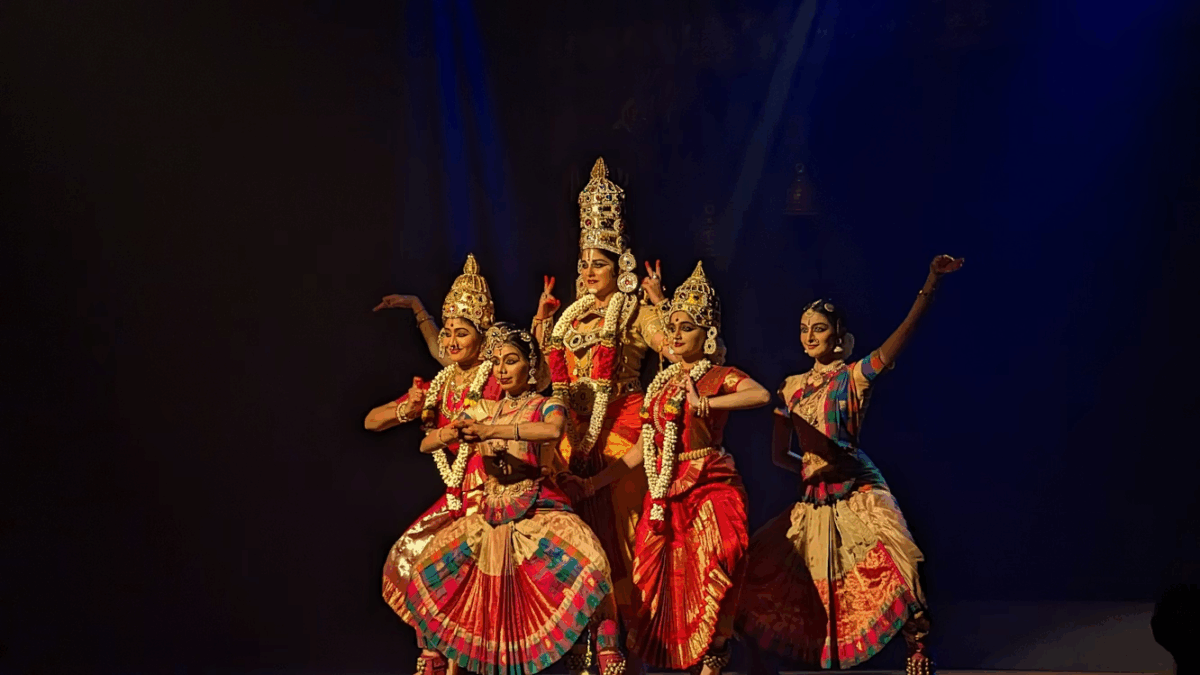
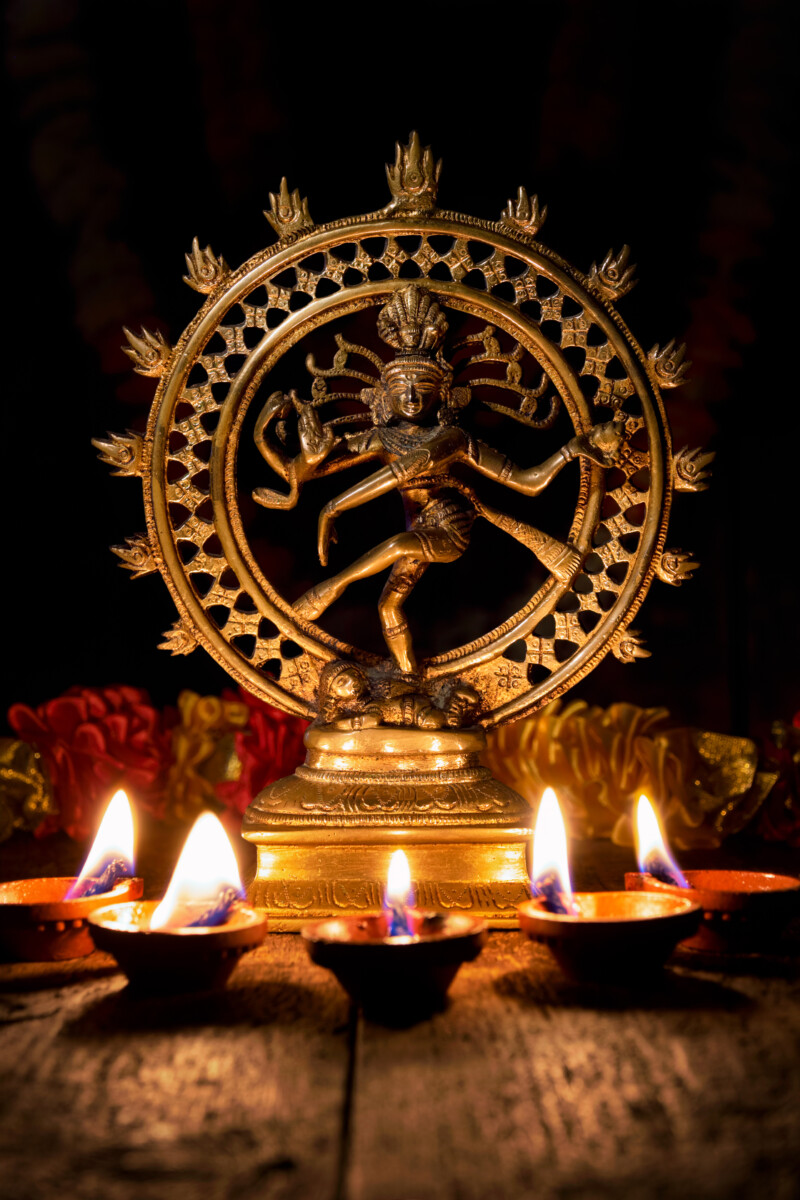
South Indian Dancers, Source – Unsplash
Marghazi Magic:
It’s that time of the year! When the entire world is heading to a mega celebration!! Thanks to a global corporate culture, December and January have become synonymous with Christmas and New Year, and the magic of the Holidays. But the same magic, and much more, holds for the Hindus too, for in December and January, falls the Hindu month of Mrughasheerisha, or Marghazi in Tamil, hailed by Shri Krishna in the Bhagwad Geeta.
“māsānāṁ mārgaśīrṣo ‘ham ṛtūnāṁ kusumākaraḥ” – Chapter 10, Verse 35, Bhagwad Geeta
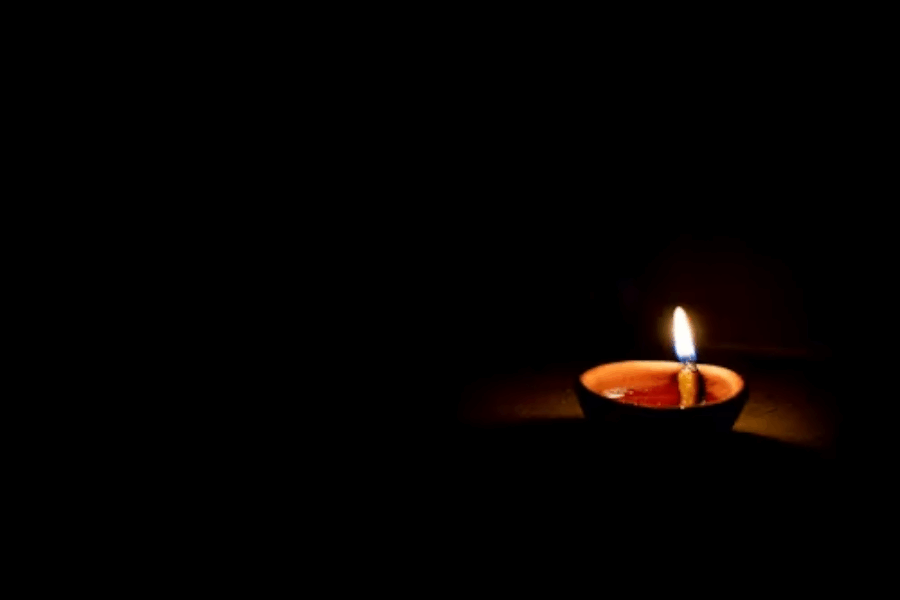
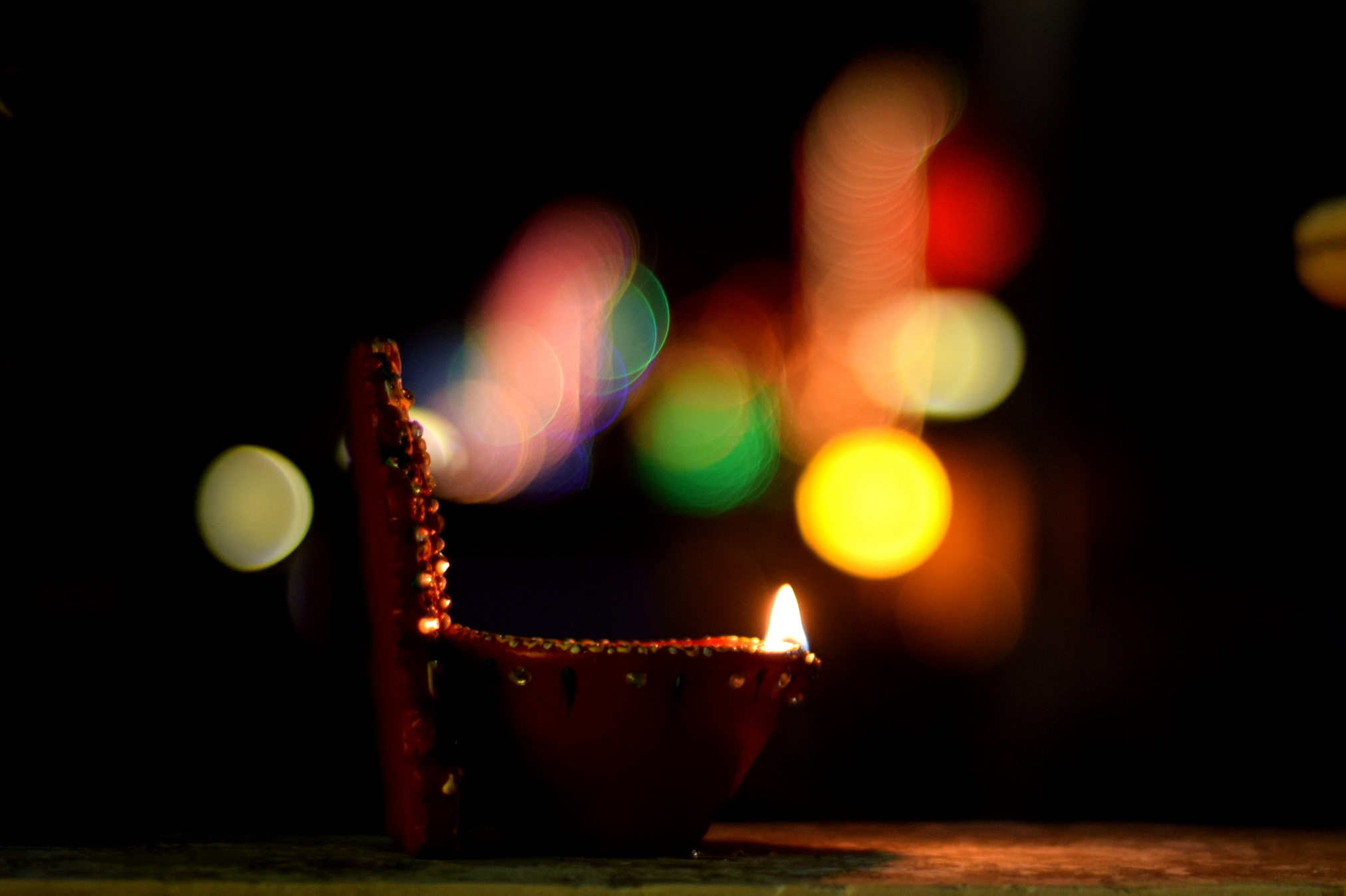
Diya, Source- Unsplash
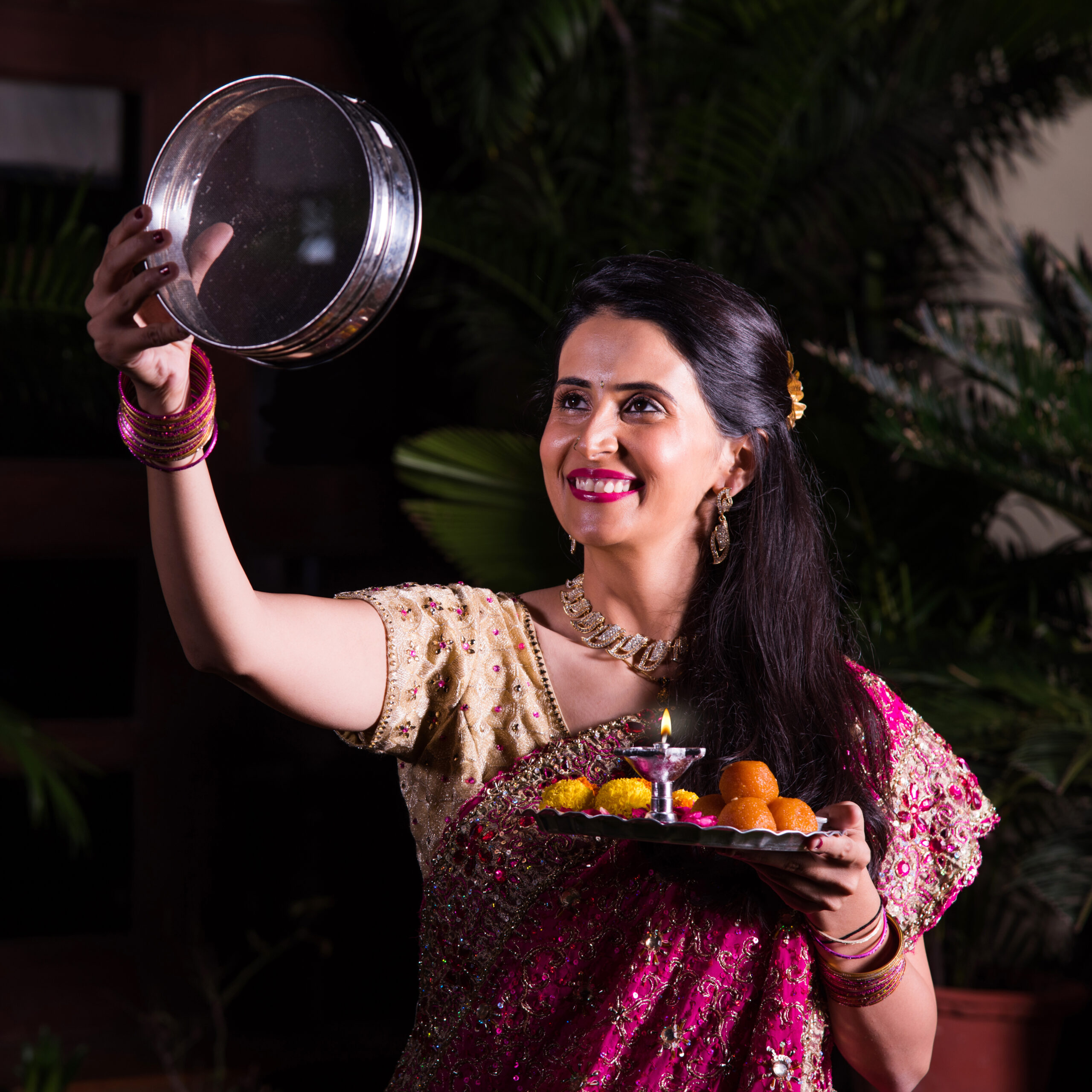
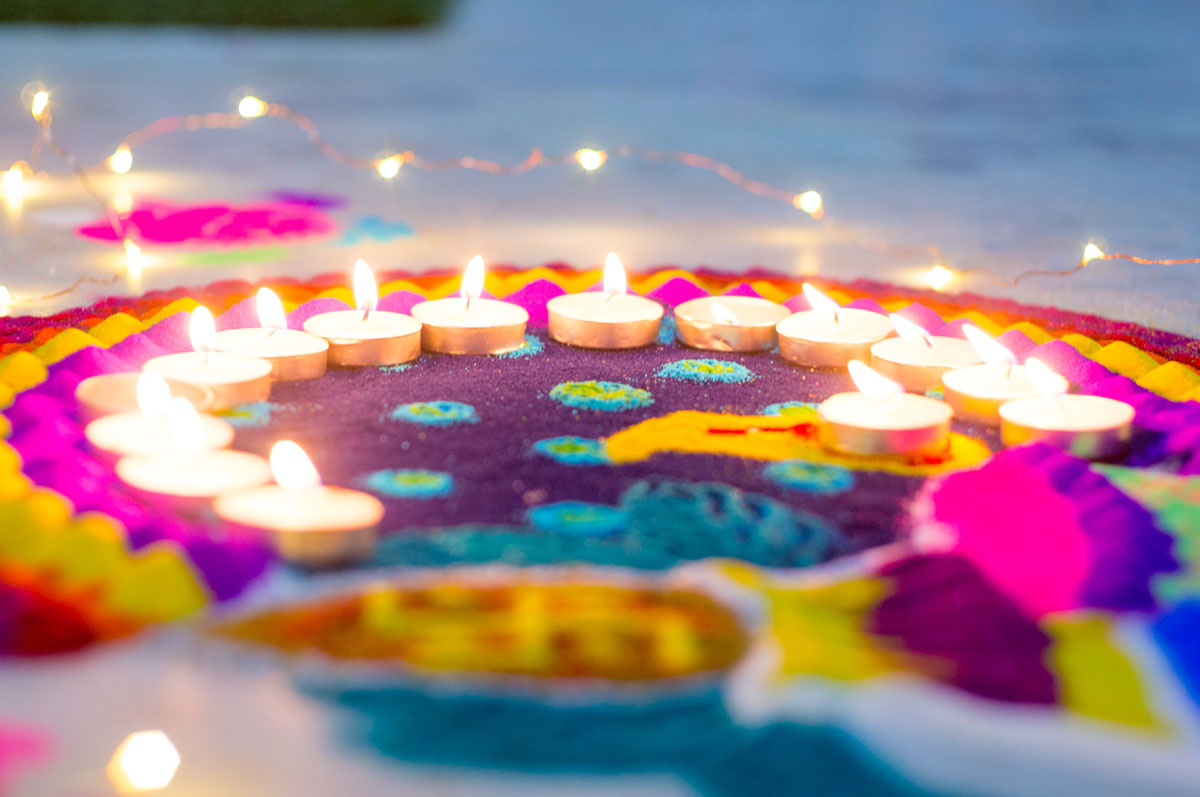
What makes Margazhi so special? It is a month of intense spiritual practices for both the Shaiva and the Vaishnava sampradayas. During Margazhi, the nights are longer and days shorter, thus confining humans mostly indoors. It also comes after back-to-back celebrations, from Ganesh Chaturthi in August/September to Deepavali in October/November. These celebrations are heavy in rituals, communal meetings, and age-old traditions. Margazhi, with its winter hues, is the exact opposite. It beckons an individual to instead focus on quiet retreat and introspection after months of elaborate external celebrations. Spiritual practices range from a simple lighting of an oil lamp or diya at the porch everyday at dusk to intense spiritual practices, like 3am chanting, meditation. Tamil Vaishnavas especially hail Margazhi as the purest and most special month of the year. In Tamil Nadu, South India, devotees sing and dance to Tiruppavai, a Tamil poem dedicated to Andal, who fell in love with Vishnu and eventually married him. Vaikunth Ekadasi, Arudra Darshanam, and Pongal are among the other major festivals that fall during the Marghazi season.
Marghazi: A Time for Celebrating The Arts
Margazhi is also a time of beautiful artistic expression whether through drawing elaborate kolams or via Indian classical music and dance. To me Margazhi literally feels like the time to rebirth the artist and beauty within. South Indian cities like Chennai and Chidambaram host massive Indian classical music and dance festivals, attracting artists from all over the world. The Chennai Music Festival is where both seasoned and emerging artists showcase their talents to the world.
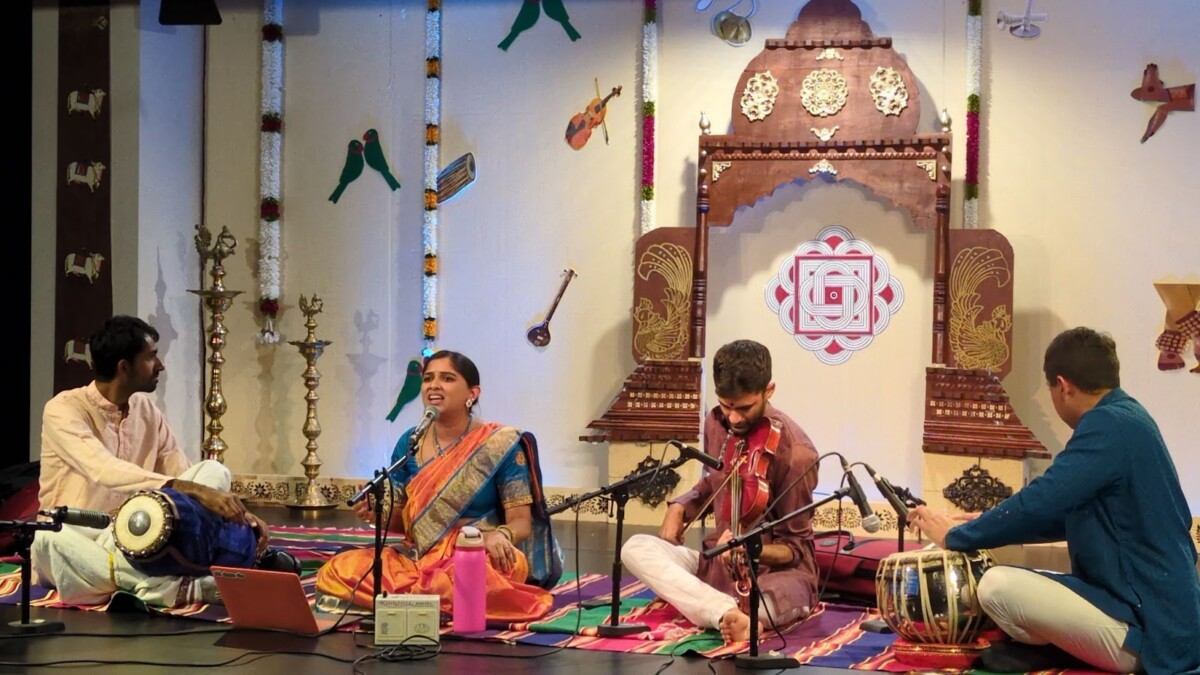
Carnatic music concert in Sacramento Marghazi Festival, January 2025 – Photo by Sangeetha Shankar
Thankfully, American cities are also fast catching up in hosting Marghazi Music and Dance festivals. Sacramento, my hometown, started one last year that became an instant hit! For the Bharatnatyam dancer in me, December and January are fascinating times. I look forward to attending music and dance performances, whether in my hometown of Sacramento, watching second-generation Indian American artists, or in Chennai, where Marghazi brings many childhood memories of hopping across sabhas, watching my mother perform as a Carnatic musician. I look forward to watching amazing performances and meeting artists from all over the world in Chennai in January, 2026. The excitement of it all is limitless!
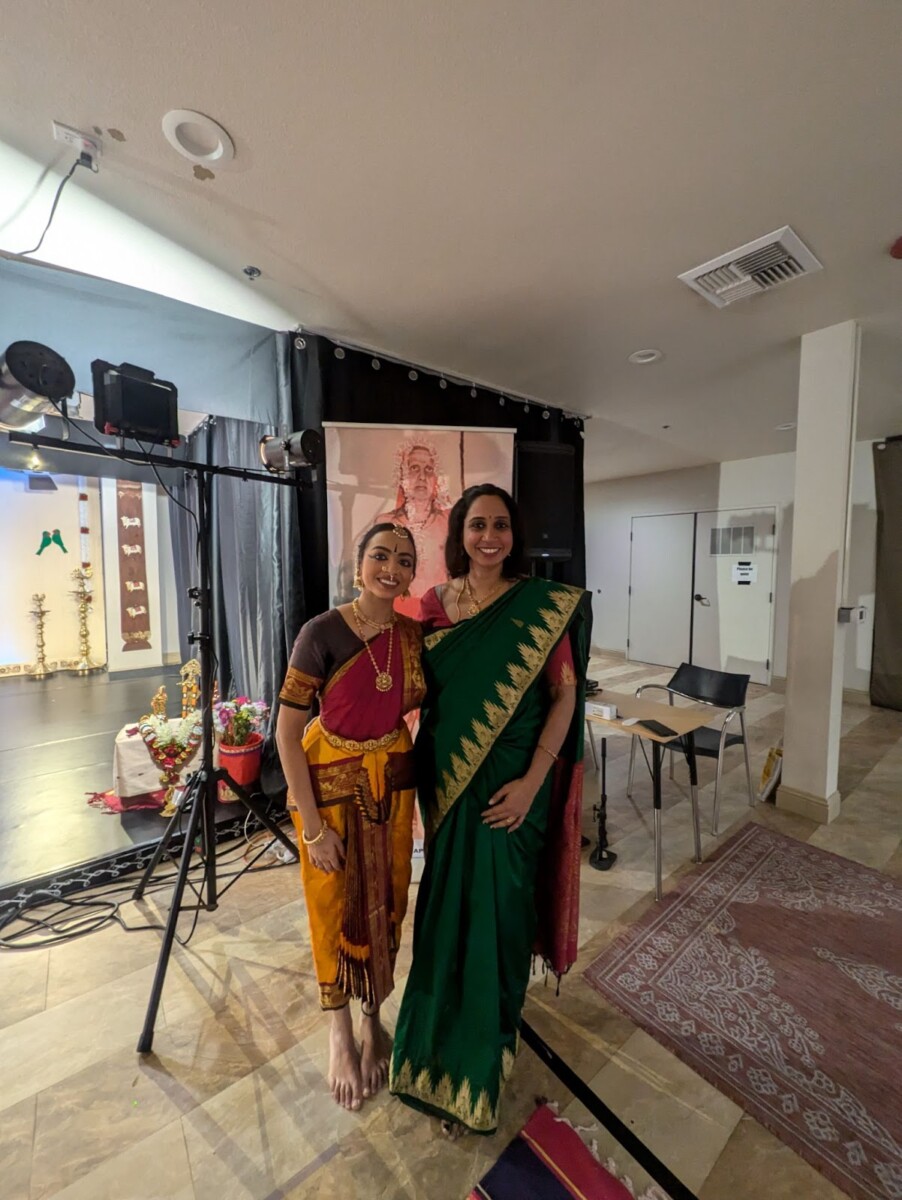
With a visiting Bharatnatyam dancer at Kaladhara, Sacramento, Marghazi Festival, January 2025- Photo by Sangeetha Shankar
Marghazi: A Time for Introspection and Reflection
But over the years, I’ve also come to associate December with introspection and reflection. What did I do differently? What stood out? As I answer these questions this year, a significant theme that emerges is the different expressions of the Hindu in me. Thanks to my community-facing role at the Hindu American Foundation, the period around Hindu festivals also means intense community engagements, outward celebrations, and hectic times. And in the midst of these, I crave for quiet time and have found that getting away in Nature is actually a great way to rejuvenate my bhakti, my faith, and my love for my Hindu dharmas. These nature escapades have taught me that there are no limits or restrictions to practicing my dharmas- I can be a Hindu, anywhere, anytime, and in any form or shape!
Celebrating Vishu in Spain: Being a Hindu Amiga
This past year, I got away during two major festivals; The first was in Spring during Vishu or the Malayalam New Year, which generally falls on April 14th or 15th. Before Vishu, numerous Holi-Purim celebrations, along with other off-site work projects, meant a lot of travel and being in the community. I was indeed gasping for quiet space and hence jumped at an invitation to go on a solo trip to explore the stunning Pyrenees mountains across the Spain-France border, with my Spanish amigos and amigas. Being in Spain during the Malayalam New Year meant packing a small brass lamp, incense sticks, a Kerala mundu sari and some artificial jewelry for setting up the Vishu kani. I didn’t know what to expect, but decided that an intention to celebrate Vishu is strong enough to make it happen, no matter how foreign or new the surroundings might be.
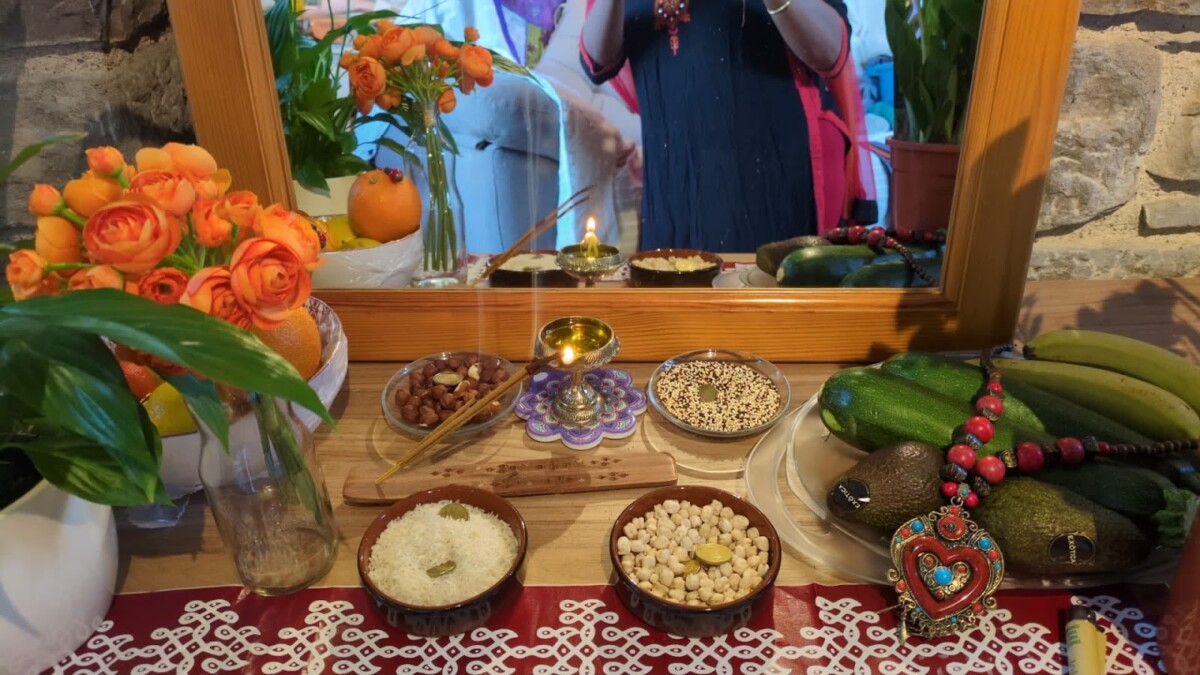
A simple Vishu kani, 2025, Photo by Sangeetha Shankar
On the day of Vishu though, it did feel odd at first to declare a New Year in April in Spain, but thanks to my loving hosts, I went ahead with the celebrations. Which means making do with whatever veggies and fruits were available and setting up the Vishu kani in the most minimalist way possible. There is always a first time for everything! My Kerala saree was highly appreciated, and posing in it against the stunning backdrop of the Pyrenees was really special. Simple markers of our culture, like a sari, can become precious and mean the whole world in foreign lands!
Vishu also means a sadhya or grand feast! I went to the nearest grocery store in the tiny village I was living in and bought whatever I could lay my hands on. My hosts invited all their neighbors to an evening of “Hindu comida” or “Hindu meals.” I cooked aloo parathas, chole, sauteed vegetables, vegetable fried rice, rasam, and raita. The guests loved the all-vegetarian spread, and we exchanged many religious and cultural notes, from being Christian and Hindu to being Spanish and Indian American. My Spanish guests easily followed the logical rituals and practices of Hinduism, and some shared their experiences with yoga and meditation. In retrospect, the unique Vishu celebration and sadhya in the Spanish Pyrenees will remain with me forever. That evening reinforced in me what being Hindu truly means: to venerate the Divine within everyone and everywhere, banishing all forms of barriers and distinctions.
Hindu In Nature- Finding Shiva Everywhere
Celebrating Vishu in the Pyrenees also meant lots of dharmic insights in the beautiful outdoors, while hiking, canyoning, and gaping endlessly at the stunning snow-capped mountains. Interestingly, wherever I saw snow peaks, I remembered my Ishta Devata Shiva, for His home is the snow-clad Himalayas! The mountain ranges also reminded me of Vishu’s original message- of venerating Nature as real wealth and living an eco-friendly life.
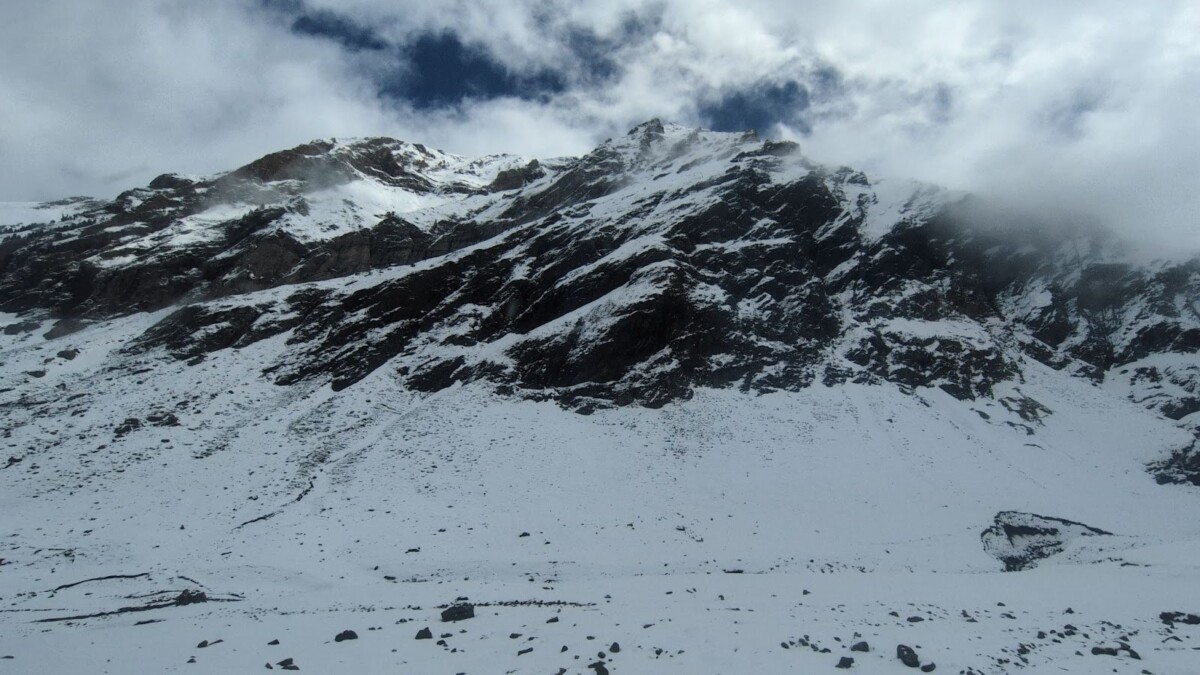
Snow-clad Pyrenees on the Spain- France border – Photo by Sangeetha Shankar
When we were canyoning, the force of the river rushing down the canyons reminded me of Ma Ganga and her journey through the Himalayas. Rappelling down a deep canyon meant overcoming my fear of death. Hence, much to the amusement of my Spanish guides, I have chanted the Maha Mrityunjaya Mantra quite often throughout the rappelling experience. Outdoor adventures remind us of the fleeting nature of our lives and how powerless we are in the face of Nature! I also remembered how Shiva is the only companion waiting for us in the cremation grounds, when everyone else has left. The canyoning experience brought musings of death and its outlook in Hinduism. In all my Pyrenees explorations, my dear Shiva was with me every step of the way!
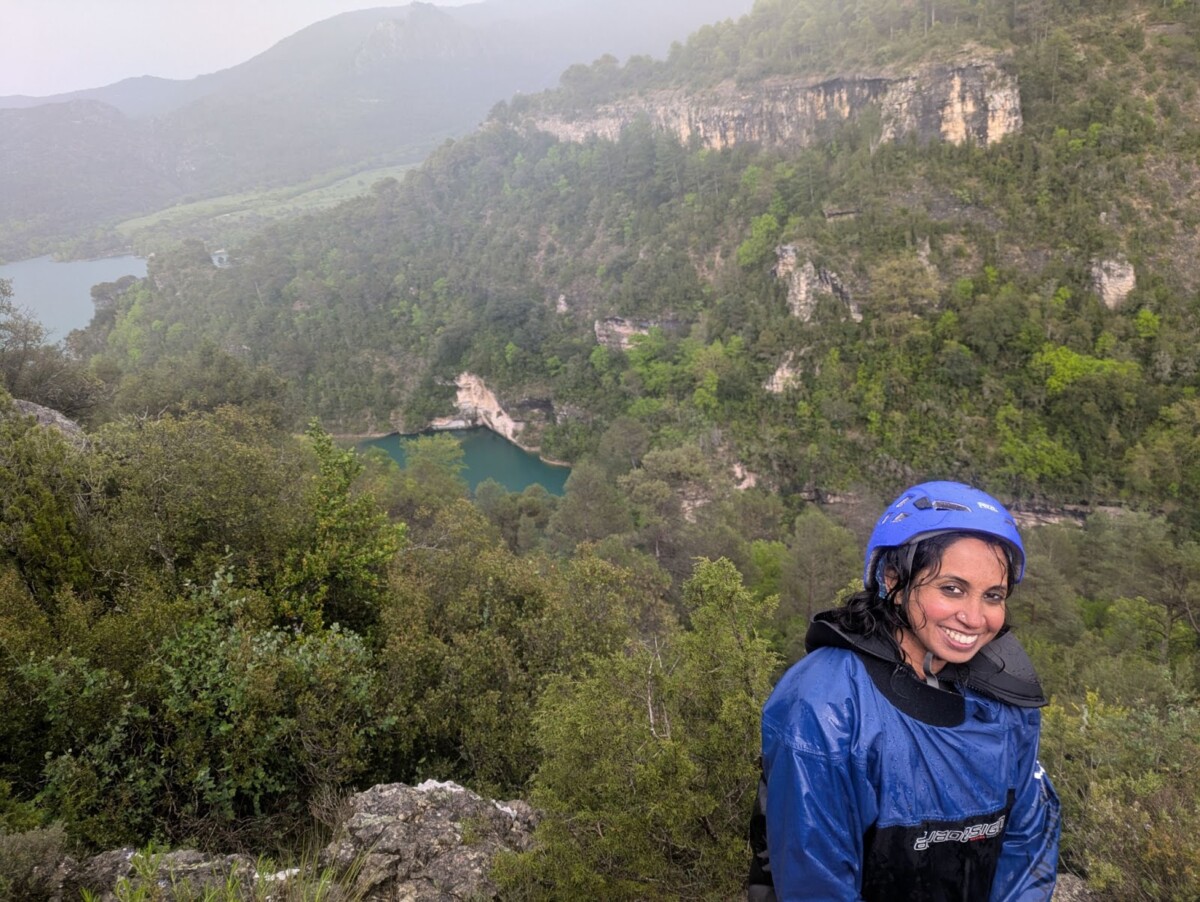
Resting on the hike up after a rappelling adventure in a river canyon in the Pyrenees- Photo by Sangeetha Shankar
Hindu No Matter Where
My Pyrenees exploration during Vishu, made me realize that one can take me out of my “Hindu” home, but never the Hindu out of me! It also once again affirmed in me the beauty of my Hindu dharmas- its diversity and flexibility! One can be a Hindu anytime, anywhere! No need for temples, rituals, elaborate celebrations in familiar surroundings. Just the intent is enough! This is probably why our dharmas have not been destroyed despite brutal colonization and 100s of years of forced conversion. Take away our scriptures, our temples, our homes, our pujas, our altars, our pandits, even our sacred chants- but still the Hindu dharmas remain intact. For it teaches us to seek the Divine in the trees, animals, the stones, the gushing rivers, the sharp canyons, and the towering peaks. Our rishis meditated for years in deserts and mountains and attained moksha. Our ancient stories are filled with the Divine appearing as various deities to those who sought It in Nature, without much at all. Nature and the Hindu dharmas go hand-in-hand.
So the next time you are travelling during a Hindu holy day and miss the familiar surroundings of your home temple or pooja altar, just step outside and seek Nature. You will find your Ishta Devata eventually in some form or another.
Ha! Now it all makes sense! This may be why the holiest of Hindu months is also during the darkest time of the year. It is for us to embrace the darkness and the slowing down that comes with it. It is for us to embrace Nature in all its glory and see the magic in it.
Well, that makes Marghazi the original magical time of the year!